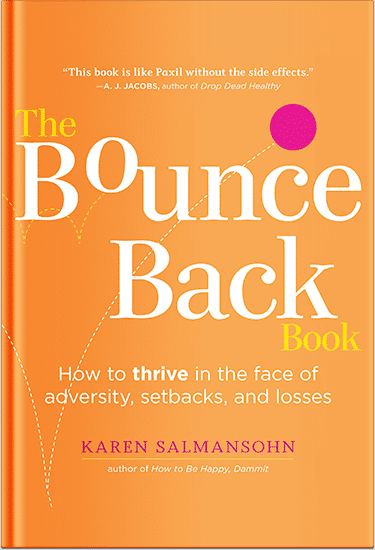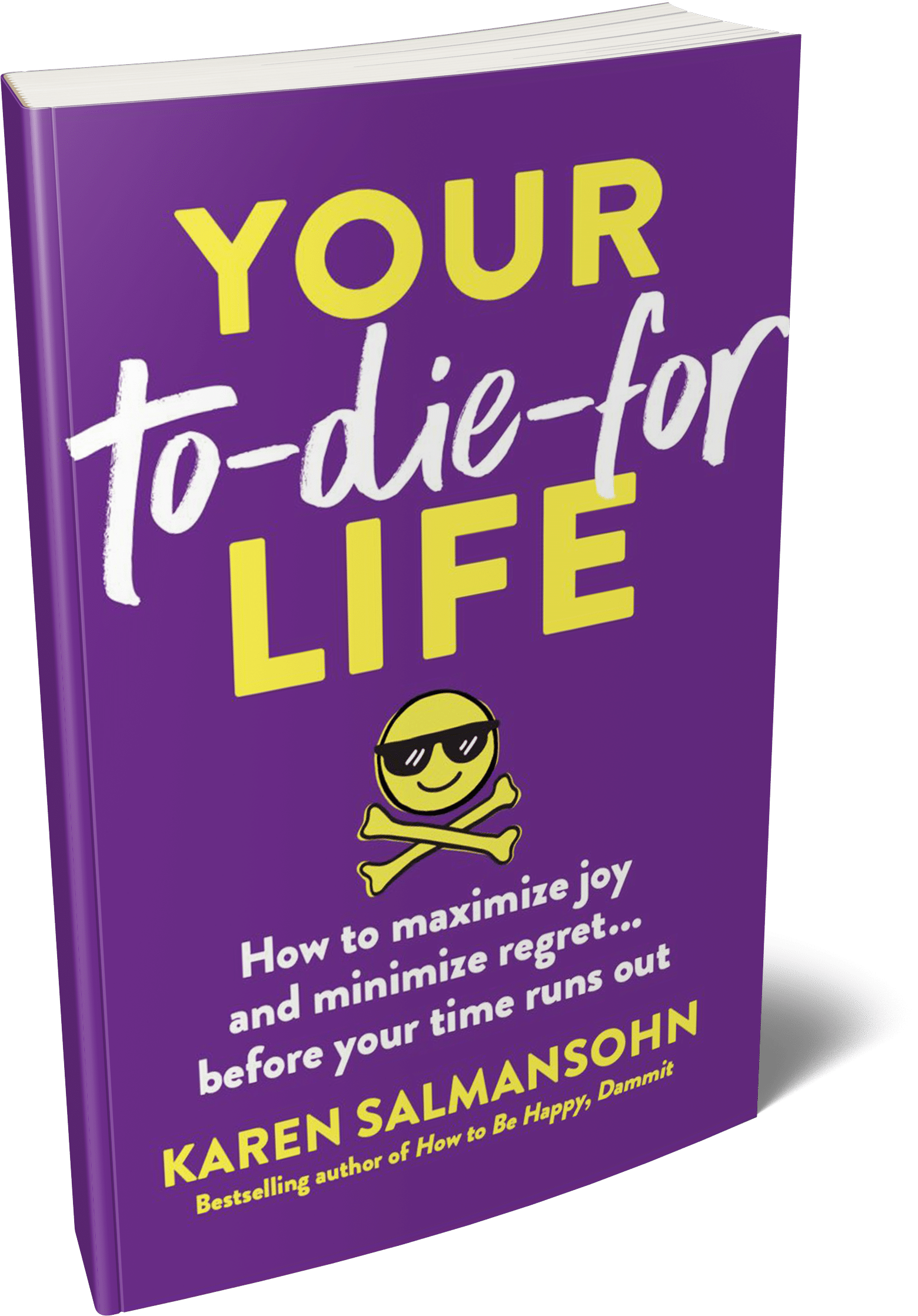

Get A Sneak Peek at my book “Your To-Die-For Life”!
Get a FREE sneak peek! Learn how to use Mortality Awareness as a wake up call to live more boldly.

 Readiness in this field once had a narrow shape. A storm was building, water was climbing, a plant had failed, and what mattered was how fast people could be moved somewhere safe and looked after. Everything came after the fact. A town graded itself on how hard a blow it could absorb and how quickly it got back on its feet.
That version has worn thin. What towns need now is leadership able to hold far more than weather in view. Sickness that spreads quicker than anyone forecast, attacks aimed at the digital systems hospitals run on, water and food supplies that stop being trustworthy, and seasons that keep breaking their own patterns all land on the same desk. The ground widened, and the abilities it takes to stand on it widened too.
A longer list of emergencies is only part of the change. The larger part is that the job now opens long before anything is visibly wrong. Heading trouble off early, building systems that bend instead of snapping, sizing up danger honestly, shaping the rules, and getting separate organizations to actually pull together now carry as much weight as anything done while a crisis is live. Reacting well still counts. Acting early counts more, and that gap separates current practice from how this was handled a generation ago.
Working at that level takes preparation covering the whole span rather than one corner of it, and a Masters in Health Security builds the cross-disciplinary judgment that leading through uncertainty asks for. It strengthens communication under pressure, the tracking of environmental conditions, and understanding of the mental weight a disaster leaves behind, with coursework running entirely online for anyone unable to step away from a job.
The clearest reordering is where effort now goes. Catching problems early, writing sound rules, watching for warning signs, and keeping hospitals, government offices, and neighborhood groups genuinely connected have shifted from the edges of the job to its center. Standing by and reacting capably no longer earns a passing grade.
That shift costs something. It means funding detection while an outbreak is still fifteen cases. It means writing the plan while everyone is calm rather than at two in the morning. It means knowing the person at the other agency before the day arrives when you have to call them. None of it makes the news, and when it works, nothing appears to have happened. That silence is the entire point.
Almost no serious threat respects a boundary. Hospitals, government offices, emergency teams, and private companies each hold one fragment of the answer, and every fragment is useless on its own. Moving those groups in step is not paperwork. It is a discipline, and people only get better at it by doing it.
Professionals at this level carry health thinking through every phase, from stopping a threat, through getting ready, through the response, through limiting damage, through the long climb back. They also work inside the rules, guidance, and legal authority set at every level of government while the situation is still moving. Knowing which body holds power over a decision, and who has to be brought in before anything happens, often decides whether a plan survives contact with reality.
Disasters never spread their damage evenly. An event that costs one household a weekend can flatten another, and the gap almost always traces back to conditions that were already sitting there. Preparedness done seriously faces that directly.
Building measures that shield a whole community, with real attention to the households least able to absorb a shock, sits at the center of this work. So does testing whether the infrastructure could truly handle a large event, whether it came from nature or from someone’s intent, rather than trusting a document in a binder. Systems break at their thinnest points, and those points sit exactly where resources have always been scarcest.
People trained in this area take on emergency and crisis responsibilities inside hospitals, government offices, and organizations working face to face with communities. That might mean owning readiness planning for a medical center, running operations for a region, watching environmental conditions that carry consequences for health, or holding several partner organizations to one coordinated plan.
Breadth is the common thread. Each of these roles asks for scientific reasoning, comfort with policy, plain communication, and operational sense held at once. An analysis nobody can act on has almost no value. A decisive plan built on bad analysis is worse than useless. The field rewards people who manage both halves together.
The subject resists abstract study, because a real emergency never arrives looking like the version in the reading. Facts are missing, competing priorities all feel urgent, and calls have to be made long before anyone is certain. Preparation that includes fieldwork, projects run beside faculty, and genuine crisis scenarios closes the distance between knowing a concept and using one at speed.
Working through an applied project on a real, unsettled problem and building a defensible answer to it is among the most useful parts of this training. That kind of judgment only develops on messy material. A cohort drawn from different professional backgrounds sharpens it further, since each person notices something about how systems behave that the rest would have walked straight past.
Nothing suggests this work is about to shrink. People travel farther and faster, hazards tied to a changing climate keep arriving, and new illnesses continue to surface, each carrying its own preparation demands. The professionals who will matter are the ones who can see a threat forming, hold its damage down, and shorten the recovery that follows.
That is a real change in what the job is for. Keeping populations safe and functioning before an emergency, during it, and long after it has passed is the whole assignment now, and the people who take it up are deciding how well their communities stand up to whatever comes next.
P.S. Before you zip off to your next Internet pit stop, check out these 2 game changers below - that could dramatically upscale your life.
1. Check Out My Book On Enjoying A Well-Lived Life: It’s called "Your To Die For Life: How to Maximize Joy and Minimize Regret Before Your Time Runs Out." Think of it as your life’s manual to cranking up the volume on joy, meaning, and connection. Learn more here.
2. Life Review Therapy - What if you could get a clear picture of where you are versus where you want to be, and find out exactly why you’re not there yet? That’s what Life Review Therapy is all about.. If you’re serious about transforming your life, let’s talk. Learn more HERE.
Think about subscribing for free weekly tools here.
No SPAM, ever! Read the Privacy Policy for more information.