 Most homeowners don’t mind seeing wildlife in their yards, but problems can arise when animals enter the house in search of food, water, or shelter. From squirrels nesting in attics to mice finding gaps around doors and pipes, seasonal changes can bring different wildlife challenges throughout the year.
As temperatures rise and fall, animals adjust their habits to meet their needs. Spring often brings nesting and breeding activity, summer can draw wildlife toward water and shaded areas, fall encourages animals to seek shelter before winter, and colder weather may push some species closer to homes.
Understanding these seasonal patterns can help homeowners recognize early warning signs, protect their property, and reduce the chances of unwanted wildlife getting inside.
Here’s how wildlife behavior changes with each season, the problems it can cause, and the steps you can take to keep your home protected year-round.
1. Spring Brings Nesting and Breeding Activity
Spring is one of the busiest seasons thanks to the warm climate. In places like Charlottesville, where residential neighborhoods sit alongside wooded areas and mature trees, spring brings more wildlife activity around homes. Warmer days make food easier to find, birds start building nests, and squirrels and other mammals look for sheltered spots to raise their young.
Your house offers plenty of attractive spots for wildlife. Roofs, attics, and gutters provide cover, as do sheds and other outdoor structures. A bird might build under the eaves while a squirrel finds a gap leading into the roof space. But once they settle in, removing them becomes a challenge.
As such, spring is a good time to check your property for potential entry points. Walk along the roofline, inspect vents, repair torn screens, and seal openings where wildlife could get inside.
For effective and lasting protection, a local company offering pest control in Charlottesville can inspect your property, identify access points, and recommend ways to prevent animals from returning while following local wildlife regulations.
2. Summer Increases the Search for Water
When it’s hot and dry, water gets scarce, and animals go where they can find it. Your yard may be a good place to look for a dripping tap or a leaky irrigation line. You may also notice more animals in shady corners or around dense garden plants, where they can escape the heat. For some, this is the perfect hunting ground for those seeking shelter from the sun.
To minimize invasion, properly close outdoor taps and fix irrigation lines for leaks. Also avoid leaving pet food or open water outside overnight unless necessary. And if you keep a birdbath, clean it regularly and place it away from entrances to discourage wildlife from gathering near your doors.
However, that doesn’t mean you need to remove every plant or eliminate every puddle. Just make sure your yard doesn’t offer easy access to food, water, and shelter right next to your home.
3. Fall Encourages Animals to Seek Shelter
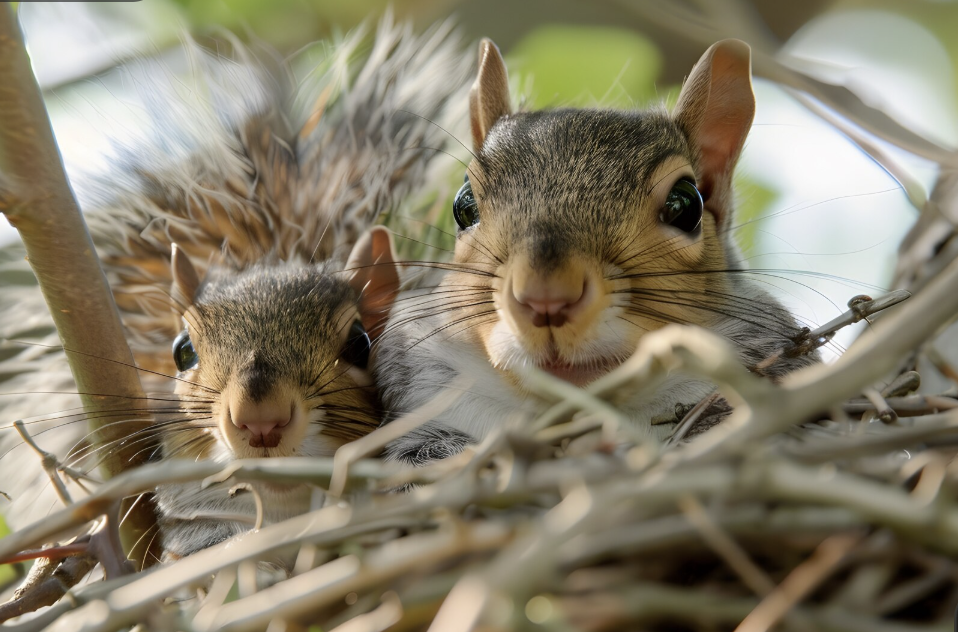 As temperatures drop, animals begin preparing for winter. Squirrels gather food, mice look for sheltered nesting spots, and some wildlife may seek refuge around buildings.
Your garage, attic, crawl space, and shed can all provide shelter from the cold. Small animals can squeeze through surprisingly narrow openings, too. A gap around a pipe, a damaged vent, or a space beneath a door may be enough to let them inside.
Before the weather turns, walk around your property. Look for torn screens, loose roofing, and gaps around utility lines. Keep firewood away from exterior walls, and clear clutter from storage areas where animals could hide.
Sealing entry points before animals move in is much easier than dealing with them once they’ve settled. Before closing any openings, however, make sure no animals are trapped inside.
4. Winter Can Drive Wildlife into Your Home
Winter makes food harder to find and limits the shelter available to some animals. While some wildlife becomes inactive during the colder months, other animals remain active and adapt by changing where they find food and shelter. As outdoor resources become harder to find, they move closer and eventually into your home.
When wildlife gets inside, you may notice droppings, chewed food packaging, or scratching sounds from walls and ceilings. These signs can help you recognize a wildlife problem early, before an animal settles into your home or causes further damage.
To reduce the risk of winter intrusions, inspect your home for gaps around doors, windows, vents, and utility lines. Repair damaged screens, seal suitable entry points, and store food in secure containers. If you suspect an animal is already inside, contact a wildlife control professional before sealing openings to avoid trapping it indoors.
Conclusion
 Seasonal changes influence where wildlife finds food, water, and shelter, which can bring animals closer to homes throughout the year. From nesting in spring to seeking warmth in fall and winter, these behaviors can lead to property damage, contamination, and unwanted activity in attics, garages, and crawl spaces.
Regularly inspecting your property, securing potential entry points, fixing leaks, and removing accessible food sources can help reduce the risk of wildlife intrusion. If you notice signs of animals inside your home or find recurring entry points, a professional wildlife control service can identify the source of the problem and recommend appropriate prevention measures. Acting early can help protect your home while ensuring wildlife is handled responsibly and in accordance with local regulations.
P.S. Before you zip off to your next Internet pit stop, check out these 2 game changers below - that could dramatically upscale your life.
1. Check Out My Book On Enjoying A Well-Lived Life: It’s called "Your To Die For Life: How to Maximize Joy and Minimize Regret Before Your Time Runs Out." Think of it as your life’s manual to cranking up the volume on joy, meaning, and connection. Learn more here.
2. Life Review Therapy - What if you could get a clear picture of where you are versus where you want to be, and find out exactly why you’re not there yet? That’s what Life Review Therapy is all about.. If you’re serious about transforming your life, let’s talk. Learn more HERE.
Think happier. Think calmer.
Think about subscribing for free weekly tools here.
No SPAM, ever! Read the Privacy Policy for more information.
One last step!
Please go to your inbox and click the confirmation link we just emailed you so you can start to get your free weekly NotSalmon Happiness Tools! Plus, you’ll immediately receive a chunklette of Karen’s bestselling Bounce Back Book!