

Get A Sneak Peek at my book “Your To-Die-For Life”!
Get a FREE sneak peek! Learn how to use Mortality Awareness as a wake up call to live more boldly.


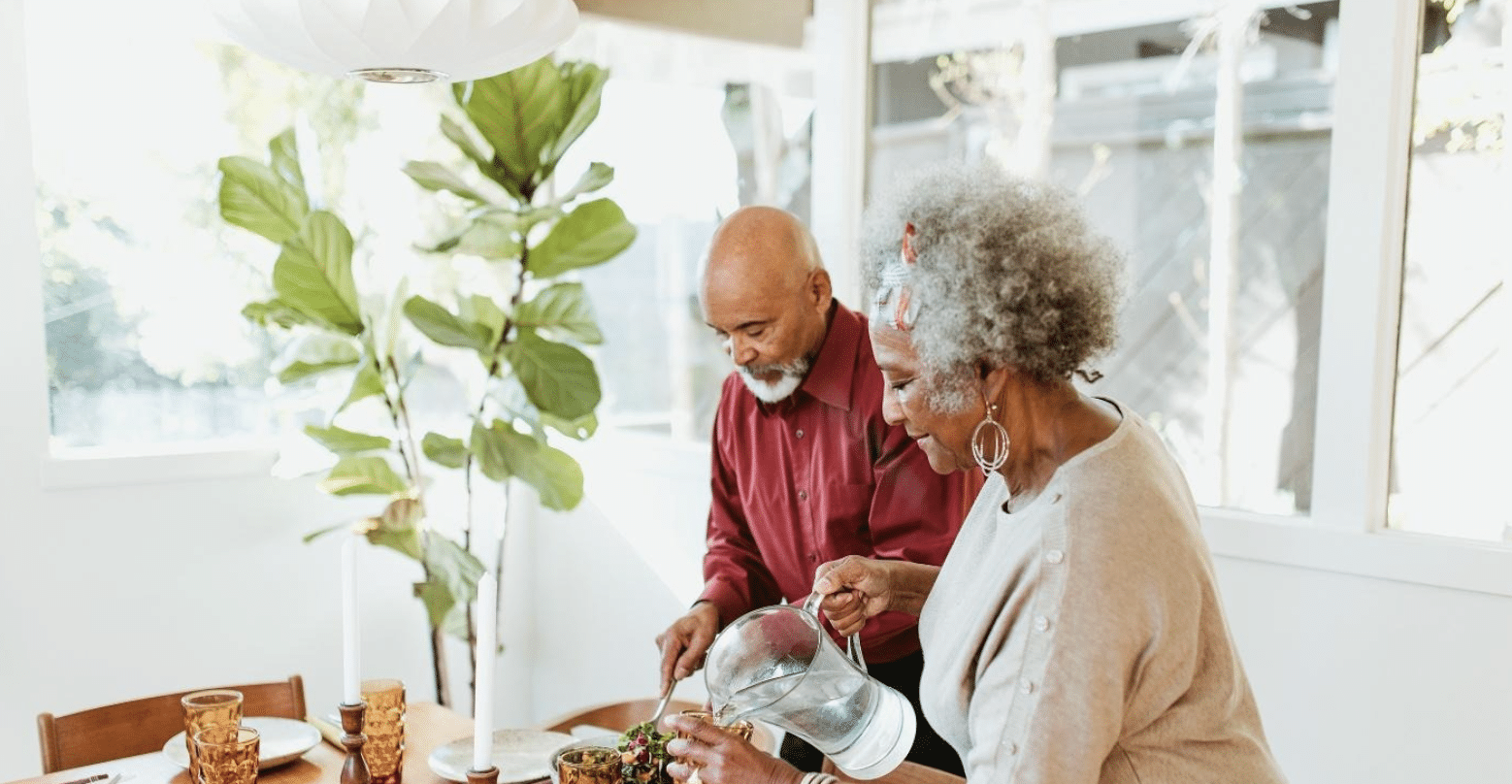 Food has always been connected to comfort, especially in senior living. The familiar aroma of a delicious soup can remind a resident of family celebrations they used to share with loved ones, while eating their favorite recipes can awaken good memories from their younger days. In these kinds of communities, these associations can make dining not just a practical way to meet one’s nutritional needs but also a social gathering for celebrations.
Meals can provide structure to an individual’s day, where breakfasts can offer a welcoming start for the residents. Lunchtime can give them a natural pause from their activities, and dinnertime is something that the residents can anticipate before sleeping. When these meals take place in an inviting communal setting, it can support the wellness of everyone involved.
A thoughtful culinary program becomes an important part of the overall senior living and residential experience. They’re often served with fresh ingredients, and their appealing choices can make eating more appetizing. See more info about the nutrition of older people when you go here.
As people grow older, their bodies’ nutritional needs can change as well, and many seniors may require fewer calories because they’re less active. However, they still need sufficient nutrients, so every meal should be high-quality. Balanced dishes can support their digestion as well as strengthen their immune function so they can fight better against sickness.
However, eating well is not always easy, for those who are living alone, particularly when transportation is limited. Food preparation can also be too much effort for one person, especially if their joints are hurting. This is why a lot of older adults may depend on convenient packaged products while they eat the same dish repeatedly.
A professionally managed kitchen can remove all of these difficulties because the residents will be able to enjoy properly prepared food without having to do all the work, including cleaning the cooking pans afterwards. There’s a culinary team that can accommodate dietary requests and make sure that meals adhere to residents’ medical requirements so healthy eating can feel more pleasurable.

Nutrition can only help the body when the food is actually eaten, and a technically balanced plate doesn’t have too much value if it’s too unappealing. This is why the professionals do their best to provide a colorful presentation for the residents where they make the aroma more pleasant. Older adults can look forward to dining with familiar flavors that can suit their palates.
Many seniors have spent decades developing their tastes, and they often have cultural traditions that dictate they should eat a specific dish on a particular occasion. Fortunately, moving to a residential community doesn’t necessarily mean that they have to lose their individuality since the menus feature rotating specials that allow each older adult to select something satisfying.
Others may lean more towards a comforting classic meal today and explore new flavors tomorrow to keep the experience interesting. This is achievable with the help of The Iris by Bonaventure, which offers fresh, chef-inspired meals tailored to resident preferences as part of their ‘Retirement Perfected’ commitment. This thoughtful approach gives residents the freedom to enjoy familiar favorites while discovering new dishes at their own pace.
Casual interactions are present in communal dining, and fortunately, residents don’t need to be formal. They can simply sit with friends or allow conversations with their neighbors to develop naturally while they eat.
Many people can also discuss their day’s activities, or they can make plans with others in the community. Over time, this connection can become valuable because isolation that you can learn more in this link https://www.cdc.gov/social-connectedness/risk-factors/index.html can have an adverse effect on seniors after they retire. Many might live alone for long periods without meaningful conversations, but when they go into a dining room, they can feel included and welcomed by others. Shared environments can be beneficial for them because the residents are surrounded by friendly voices without needing to participate in forced conversations.

The overall atmosphere where the food is served can shape how the residents feel about the entire experience. Restaurant-style dining can turn an ordinary necessity into an instant occasion because the best communities have appealing table settings.
With this model, the seniors’ sense of independence is also preserved because instead of receiving the same plate on a rigid schedule, the residents can browse the menu for available options and select the ones that they like. Ordering their preferred meals can feel familiar, and this is an important feature in a setting where people are constantly adjusting to the changes in their health.
Traditional meal schedules may not be suitable for everyone because some residents may wake up early. Medical appointments can also make a fixed timetable inconvenient. Anytime dining can accommodate these differences, especially when residents experience changes in their appetites.
If food is available throughout most of the day, the seniors can eat when they’re ready, and they don’t have to rush. It’s this kind of flexibility that’s useful for someone who wants a slow morning. This flexibility can also encourage socializing because friends may arrange to have lunch together without fitting their plans into a restrictive dining window.
Holiday banquets can connect many residents, especially if there are birthday gatherings. These occasions are perfect for themed menus, and they give everyone something to discuss while their relatives can get a feel for what community life feels like.
Food can also celebrate cultural traditions where a team can feature regional dishes at some point. They may invite the residents to share their treasured recipes, and including these can show respect for one’s personal history and allow their neighbors to learn more about them. Feedback is another valuable part of a responsive program, and residents can share their opinions about flavors and become active contributors to their surroundings.
P.S. Before you zip off to your next Internet pit stop, check out these 2 game changers below - that could dramatically upscale your life.
1. Check Out My Book On Enjoying A Well-Lived Life: It’s called "Your To Die For Life: How to Maximize Joy and Minimize Regret Before Your Time Runs Out." Think of it as your life’s manual to cranking up the volume on joy, meaning, and connection. Learn more here.
2. Life Review Therapy - What if you could get a clear picture of where you are versus where you want to be, and find out exactly why you’re not there yet? That’s what Life Review Therapy is all about.. If you’re serious about transforming your life, let’s talk. Learn more HERE.
Think about subscribing for free weekly tools here.
No SPAM, ever! Read the Privacy Policy for more information.
