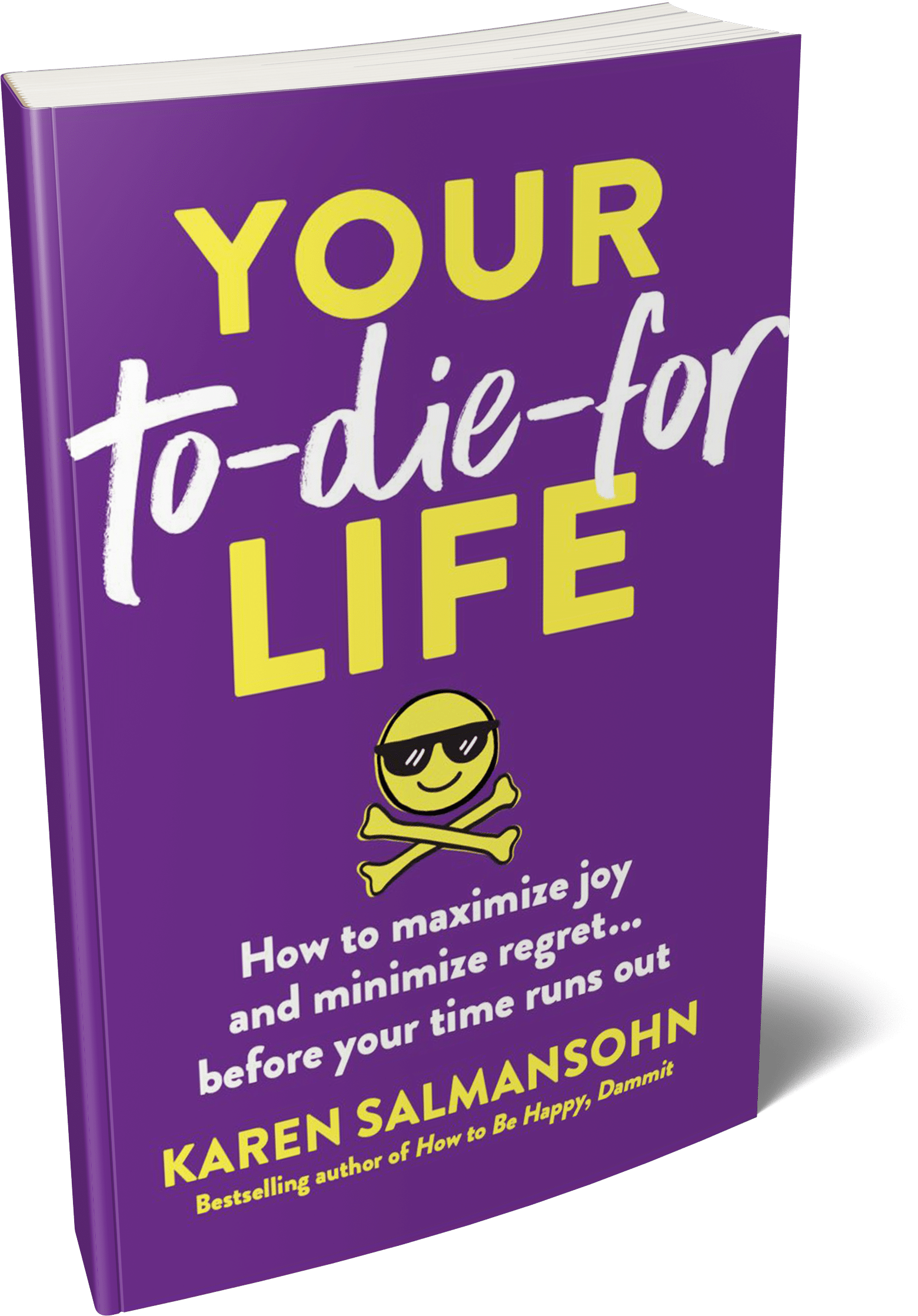

Get A Sneak Peek at my book “Your To-Die-For Life”!
Get a FREE sneak peek! Learn how to use Mortality Awareness as a wake up call to live more boldly.


 I want to talk about a kind of tired that does not show up on any wellness checklist.
It is the low hum you feel when you mention a friend’s back surgery out loud and see an ad for orthopedic pillows that evening. When a shop you visited once starts emailing you like an ex who cannot take a hint. When you search for something private, something you have not told anyone, and the internet starts gently referencing it back to you for a week.
Nothing terrible happened. Nobody hurt you. And still, something in your nervous system files it under watched.
We talk endlessly about digital detoxes, about screen time and phone-free bedrooms. We talk much less about the other half of the problem. It is not only how much you look at the internet. It is how much of it is looking back.
Psychologists have a decent amount to say about the difference between solitude and surveillance. Being alone restores you. Being observed, even mildly, even by an algorithm that does not care about you at all, does the opposite. It keeps a small part of your attention on managing how you appear.
You already know this feeling from real life. You behave differently in an empty kitchen than in one with a stranger sitting at the table, and it is not because the stranger is dangerous. It is because part of you is now doing a job.
Being permanently findable is that stranger, made permanent and made quiet.
The point of what follows is not to make you paranoid. It is to hand back a bit of mental quiet with a fairly small amount of effort.
One email address for people who know you. One for shops, newsletters, and every form that wants your address before it will show you a price. The second inbox becomes a room you visit deliberately instead of a hallway everything walks through.
This is the one that matters most, and almost nobody does it. Your searches are the most honest thing about you. They contain the symptom you have not mentioned to your doctor, the relationship question you have not said out loud, the salary you are quietly checking. That record is stored, and it is used.
Switching to a search engine that does not build a profile takes about ninety seconds. If you want the searching itself to stop being traceable back to your home connection, there is a plain-English walkthrough for setting up a duckduckgo proxy, which sits your search behind a different address than the one your internet provider gave you. The underlying idea is very old and very boring: a middleman fetches the page for you. Companies have used it for decades to keep their internal traffic private, and nothing about it requires you to be technical.
Cookie banners are designed to make agreeing easy and declining slow. That is the whole design. Take the extra three seconds. Reject the non-essential ones. Three seconds, a hundred times a year, is five minutes of your life for a meaningfully smaller trail.
Open your settings and look at which apps have your location, your microphone and your contacts. You will find at least one that genuinely startles you. A flashlight app has no business knowing where you sleep.
Your phone is the most honest device you own. It knows where you slept, how long you lingered outside a building, which app you opened at three in the morning. It also reaches the internet through an address your mobile network hands out rather than your home wifi, which is why the tools built for phone traffic, a mobile proxy among them, sit in a different category from the ones built for laptops. Most people reading this do not need one. Everyone reading this needs the ten minutes in the settings menu.
Most oversharing is not a decision, it is a discharge. Something hurt, and posting made the hurt feel witnessed. Write it in a note instead and look at it the next morning. If it still wants to be public, fine. Nine times out of ten it wanted to be heard, which is a different thing, and a friend can do that better than an audience can.
Data brokers hold profiles on you assembled from public records and purchase history. Most have a removal request form, buried, but real. Do two or three a year. It will not clear everything, and that is not the point. The point is refusing to be the person who assumed it was hopeless.
Every time something online is free and pleasant and endlessly available, ask the boring question: who is paying for this, and what are they buying? The answer is almost always your attention, your data, or both. That is not a reason to panic. It is a reason to stop feeling vaguely guilty for wanting a door that closes.
Privacy has been sold to us as a technical chore for people with something to hide, which is a brilliant piece of marketing and completely backwards.
Privacy is the ability to be unfinished in public. To wonder about something without it becoming a category you get sorted into. To change your mind about who you are without a system helpfully remembering the previous version and serving it back to you.
You do not need to disappear. You just need a few doors you can close.
Start with the search one. It is the smallest door and the one behind which you keep the most.
P.S. Before you zip off to your next Internet pit stop, check out these 2 game changers below - that could dramatically upscale your life.
1. Check Out My Book On Enjoying A Well-Lived Life: It’s called "Your To Die For Life: How to Maximize Joy and Minimize Regret Before Your Time Runs Out." Think of it as your life’s manual to cranking up the volume on joy, meaning, and connection. Learn more here.
2. Life Review Therapy - What if you could get a clear picture of where you are versus where you want to be, and find out exactly why you’re not there yet? That’s what Life Review Therapy is all about.. If you’re serious about transforming your life, let’s talk. Learn more HERE.
Think about subscribing for free weekly tools here.
No SPAM, ever! Read the Privacy Policy for more information.
