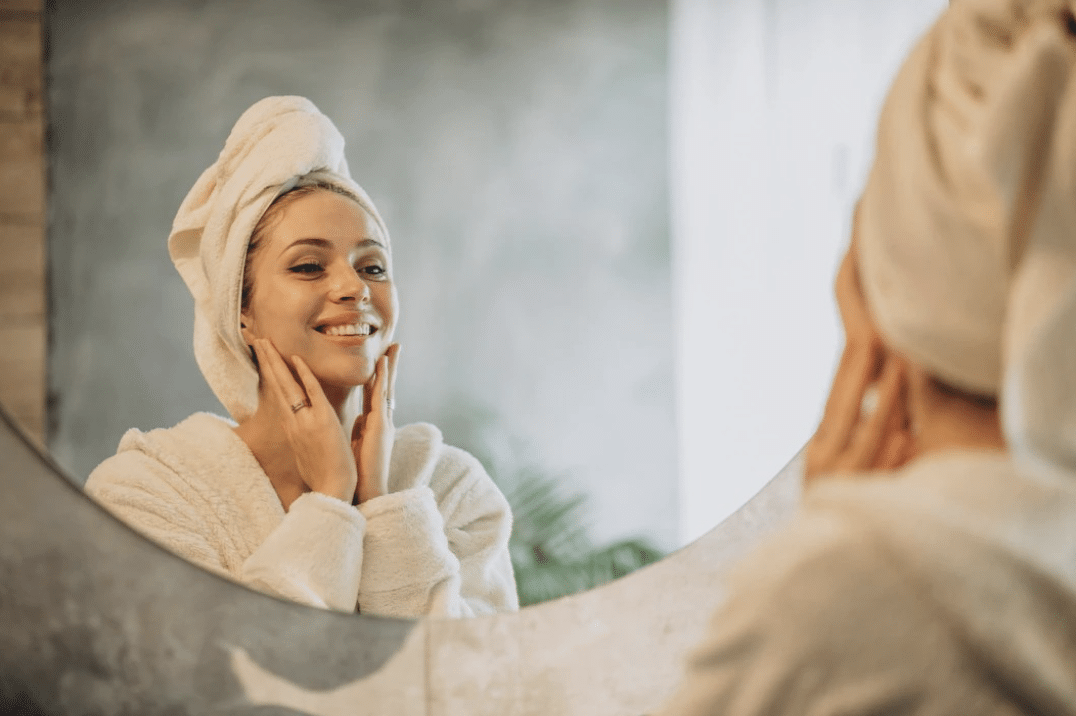
 You finally booked your appointment, sat through the injections, and walked out of the clinic. Now what?
Most people think the work ends once they leave the chair, but how you handle the next 24 hours determines whether you get those smooth, rested results or end up with unnecessary bruising and drooping. Modern cosmetic injectables are more precise than ever, but the formula still needs time to settle in the area where the practitioner placed it.
In this guide, we’ll talk about the specific rules for Botox aftercare. Whether you want to prevent skin-rejuvenation results from fading or just want them to last as long as possible, these are the steps you need to follow.
Why Botox Aftercare Matters?
Aftercare is a set of rules patients must follow to keep the neurotoxin from moving. Botox works by temporarily blocking the nerve signals to specific muscles. If the liquid migrates to a neighboring muscle because you rubbed your face or went for a run too soon, you risk a drooping eyelid or an asymmetrical smile.
Proper Botox aftercare ensures the protein stays localized. When you follow the aftercare steps properly, you help the treatment bind to the targeted receptors effectively, which also helps your results look natural and stay visible for the full three to four months.
What to Do Right After Botox?
Daniel Gueorguiev, founder of Activa Derma, explains that the goal immediately after your session is to keep your blood pressure steady and your face relaxed. Most practitioners recommend gently exercising the treated muscles. If you had injections in your forehead or between your brows, try squinting, frowning, or lifting your eyebrows every few minutes for the first hour.
The movement helps the solution work its way into the muscle fibers. Aside from that, just stay upright. You can return to most office work or light daily chores immediately, provided you don’t have to bend over or strain physically.
What to Avoid Right After Botox
For the first four to six hours, you need to treat your face like a wet painting. Avoid anything that increases blood flow to the face or physically shifts the skin. This means no facial massages, no tight-fitting hats or headbands, and definitely no rubbing the injection sites.
Practitioners also advise against using heavy makeup right away. The injection points are technically tiny open wounds, and applying a dirty makeup brush can introduce bacteria and cause irritation. Stick to a hands-off policy for the rest of the day to protect your investment in cosmetic injectables.
The First Few Hours After Botox
The first four hours are the most critical window during which the toxin can bind. During this time, the formula is still settling into the muscle tissue. If you feel a slight tightness or a mild headache, don’t panic; this is a common response as the product begins to take effect.
Keep your head above your heart and avoid any activity that makes you flush. Even a hot cup of tea or a spicy meal can sometimes increase localized blood flow more than we want. Focus on staying cool, calm, and upright to give the skin rejuvenation process the best possible start.
Can You Lie Down After Botox?
The short answer is no, at least not for the first four hours. Stay upright to prevent the toxin from migrating toward the orbital bone, which can cause a heavy or drooping eyelid. While it might be tempting to take a nap after your appointment, gravity affects how the liquid settles.
If you must rest, sit in a recliner or prop yourself up with several pillows so your head remains well above your heart. Once those first four hours have passed, the product has usually bonded well enough to the motor endplates of the muscle.
For the first night, try sleeping on your back rather than your side or stomach. This prevents your pillow from applying uneven pressure to your face and potentially shifting cosmetic injectables while you sleep.
Can You Touch Your Face After Botox?
You should avoid touching, rubbing, or massaging your face for at least 24 hours. Even if the injection sites feel a bit itchy or you notice a small bump, resist the urge to poke at them. Rubbing the area can physically push the Botox into adjacent muscles that weren’t meant to be treated.
The rules extend to your skincare routine as well. Skip any heavy facial massages, gua sha, or vibrating cleansing brushes for the first day. When you wash your face that evening, use a very gentle touch and avoid scrubbing.
Exercise After Botox: When to Be Careful?
Skip the gym on treatment day. Wait at least 24 hours before resuming any vigorous physical activity. High-intensity exercise increases your heart rate and blood flow, which can cause the Botox to diffuse away from the target muscle before it fully binds.
Increased circulation can also lead to more visible bruising at the injection sites. If you feel like you need to move, a light walk is fine, but avoid anything that involves inverting your head (like yoga or Pilates), straining, or heavy lifting, and wearing tight headgear or helmets.
Giving your body a full day of rest allows the medical aesthetics treatment to set properly. Most patients can return to their full workout routine the following morning without any issues.
Heat, Sun, and Sweating After Botox
Heat is one of the biggest enemies of a fresh Botox treatment. High temperatures dilate your blood vessels, which can increase the spread of the toxin beyond the intended injection site. For at least 24 to 48 hours, stay away from saunas, steam rooms, and excessively hot showers.
The same rule applies to sun exposure. A bad sunburn right after your appointment triggers inflammation and increases blood flow to the face, which can interfere with how the product settles. If you have to be outside, wear a wide-brimmed hat and apply a high-SPF sunscreen.
Avoiding heavy sweating is also part of the plan. Excessive perspiration can irritate the tiny injection points and might tempt you to wipe or rub your face.
Alcohol, Bruising, and Other Small Things Patients Forget
Most people know about the no exercise rule, but the “no happy hour” rule is just as important. Alcohol acts as a vasodilator and a blood thinner.
Drinking a glass of wine or a cocktail immediately after your session significantly increases your chances of developing noticeable bruises. Experts suggest waiting at least 24 hours before consuming alcohol to keep the injection sites looking clean.
There are a few other small habits to watch out for. For example, avoid wearing tight swimming goggles or heavy motorcycle helmets that press against the forehead. Also, try to skip any dental appointments scheduled for the same day as your cosmetic injectables session. The pressure and facial stretching involved in dental work can cause the Botox to migrate, especially if you have had work done around the mouth or jaw.
Skincare After Botox
You don’t need to throw away your entire routine, but you should simplify it for the first 24 hours. Stick to a gentle cleanser and a basic moisturizer. Avoid active ingredients like Retinol, Vitamin C, or AHAs/BHAs (glycolic or salicylic acid) for at least one night. These can be irritating to the fresh injection sites and may cause unnecessary redness.
Do
- Use a gentle, fragrance-free cleanser
- Apply moisturizer with a light dabbing motion
- Use mineral sunscreen for protection
Don’t
- Use exfoliating scrubs or vibrating brushes
- Use chemical peels or at-home microneedling
- Apply heavy, oil-based foundations
What Side Effects Can Be Normal
It is helpful to remember that your body is reacting to a localized medical injection. Most patients experience minor, temporary symptoms that resolve within a few hours to a few days. You might see small, mosquito-bite-like bumps at the injection sites immediately after the session.
These are just tiny deposits of the fluid and typically disappear within twenty to thirty minutes.
Mild bruising remains the most frequent side effect, occurring if the needle hits a small capillary, and it fades within a week. Some minor puffiness around the forehead or eyes is also standard as the tissue adjusts.
As the cosmetic injectables begin to limit muscle movement, your face may feel slightly stiff for a few days. A small percentage of patients also report a dull headache shortly after treatment, which typically responds well to rest and hydration.
When to Call Your Provider
While serious complications are rare due to advanced training and precise formulas, you should keep a close eye on your progress. If a symptom feels unusual or persists for more than a few days, reaching out to your clinician is the safest course of action.
They can provide a quick assessment to put your mind at ease or offer a solution to manage the issue.
Contact your provider immediately if you notice eyelid or eyebrow drooping, which happens if the toxin migrates to the muscles responsible for lifting the eyelid.
Any vision changes, such as blurring or double vision, require an immediate medical check-in.
You should also watch for signs of an allergic reaction, including hives, intense itching, or swelling in areas far away from the injection sites. While extremely rare with proper Botox aftercare, any difficulty swallowing or breathing requires urgent medical attention.
Finally, if you notice persistent asymmetry, such as a crooked smile or uneven eyebrows, after two full weeks, your clinician may need to perform a small touch-up.
The Bottom Line
Successful Botox results are a 50/50 partnership between your clinician’s skill and your commitment to the recovery process. The 24 hours following the treatment are the most influential for your final look. Avoid heat, intense exercise, and facial pressure to ensure the neurotoxin stays where it can do the most good for specific skin rejuvenation goals.
Modern treatments are safer and more effective than ever, but even a high-quality medical aesthetics procedure requires patience. It takes a full fourteen days for the product to settle before the true results become visible.
Following these simple guidelines and maintaining open communication with a provider leads to a smoother, more refreshed appearance with total peace of mind.
P.S. Before you zip off to your next Internet pit stop, check out these 2 game changers below - that could dramatically upscale your life.
1. Check Out My Book On Enjoying A Well-Lived Life: It’s called "Your To Die For Life: How to Maximize Joy and Minimize Regret Before Your Time Runs Out." Think of it as your life’s manual to cranking up the volume on joy, meaning, and connection. Learn more here.
2. Life Review Therapy - What if you could get a clear picture of where you are versus where you want to be, and find out exactly why you’re not there yet? That’s what Life Review Therapy is all about.. If you’re serious about transforming your life, let’s talk. Learn more HERE.
Think happier. Think calmer.
Think about subscribing for free weekly tools here.
No SPAM, ever! Read the Privacy Policy for more information.
One last step!
Please go to your inbox and click the confirmation link we just emailed you so you can start to get your free weekly NotSalmon Happiness Tools! Plus, you’ll immediately receive a chunklette of Karen’s bestselling Bounce Back Book!


