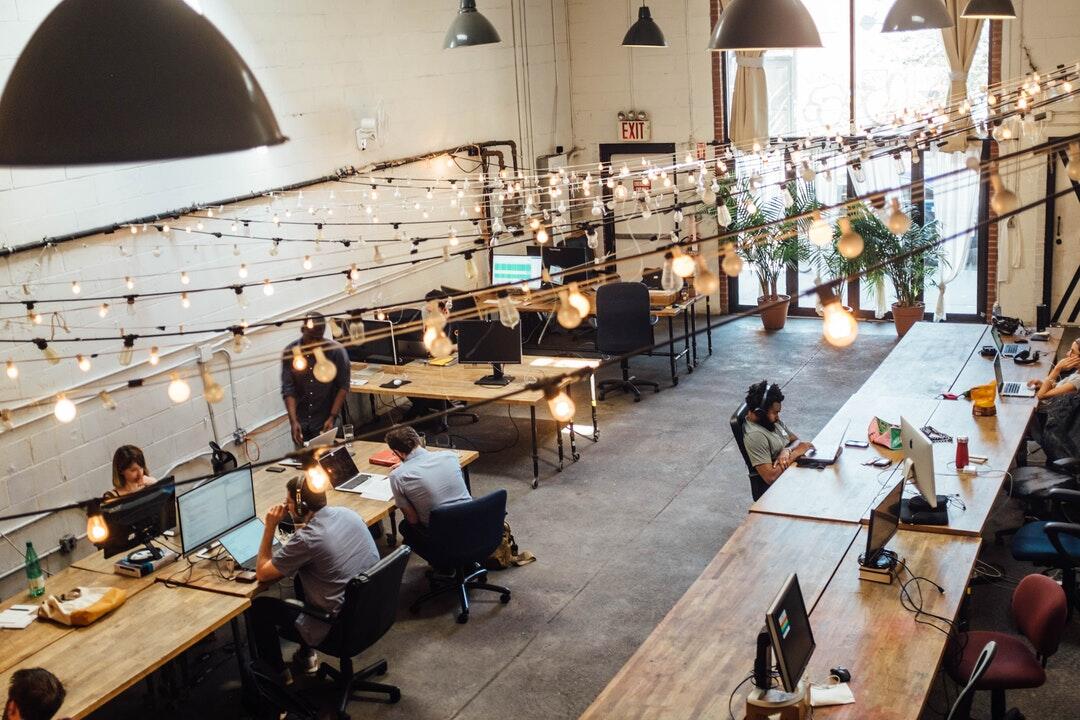
 A healthier office is not created by adding plants and better snacks. Those details can help, but workplace health depends on the building systems, daily policies, air quality, lighting, ergonomics, cleaning routines, and how people actually use the space.
Office environments affect comfort, focus, absenteeism, and team morale. When the workplace feels stuffy, noisy, poorly lit, or physically uncomfortable, productivity drops. People may not always identify the cause. They just feel drained by the end of the day.
Indoor conditions matter because most people spend large parts of their lives inside. The U.S. Environmental Protection Agency says Americans spend about 90% of their time indoors, where some pollutant levels are often two to five times higher than typical outdoor levels.
Start With Indoor Air Quality
Air quality should be one of the first workplace health checks. Poor indoor air can contribute to headaches, fatigue, throat irritation, coughing, dry eyes, and difficulty concentrating.
Common office air issues include dust, cleaning product residue, mold, poor ventilation, outdoor pollution, printer emissions, and high carbon dioxide levels in crowded rooms.
Facility teams should monitor ventilation, humidity, particulate levels, temperature, and filter performance. They should also review how often meeting rooms, kitchens, copy areas, and shared workspaces are used.
A healthier air strategy includes:
- Regular HVAC inspection
- Filter replacement on a fixed schedule
- Carbon dioxide monitoring in crowded rooms
- Humidity control
- Mold and leak checks
- Low-VOC cleaning products
- Clear reporting for air quality complaints
Air quality work should be documented. This makes patterns easier to identify.
Address Vaping and Indoor Policy Gaps
A healthy office also needs clear rules around indoor air behavior. Vaping can create complaints, odors, and concerns in shared spaces, especially in bathrooms, stairwells, storage rooms, and areas without direct supervision.
Policies alone may not be enough if enforcement depends on someone witnessing the behavior. Privacy-sensitive areas cannot use cameras, but they can still be monitored for air events.
In some workplaces, vape detectors are used to detect aerosol changes in locations where visual monitoring is inappropriate. These tools should be paired with written policies, employee communication, and consistent response procedures.
The goal is not to over-police employees. The goal is to protect shared air, reduce conflict, and make expectations clear.
Improve Ergonomics at Every Workstation
Office discomfort often starts with poor workstation setup. A chair that is too low, a screen that is too high, or a keyboard placed too far away can create strain over time.
Ergonomics should fit the worker, not the other way around.
Each workstation should support neutral posture. Feet should rest flat. Elbows should sit close to the body. Screens should be near eye level. Wrists should stay relaxed. Lighting should not create glare.
Adjustable chairs, monitor arms, sit-stand desks, footrests, and external keyboards can all help. But equipment alone is not enough. Employees need guidance on setup and movement breaks.
Managers should treat discomfort reports early. Small adjustments can prevent larger issues.
Make Lighting Work for the Task
Lighting affects alertness, mood, and visual comfort. Offices with harsh overhead lighting can feel sterile. Offices with dim lighting can cause eye strain.
Natural light is useful, but glare must be controlled. Blinds, diffusers, and desk layout can help reduce screen reflection.
Task lighting should be available for detailed work. Warmer lighting can work in lounge or break areas. Cooler, brighter lighting may be better for focused work zones.
The best offices use layered lighting. They combine daylight, overhead fixtures, task lights, and softer lighting in rest areas.
Lighting should be reviewed by zone. A meeting room, workstation, hallway, and wellness room do not need the same setup.
Reduce Noise and Distraction
Noise is one of the most common office stressors. Open offices can make quick collaboration easier, but they can also increase interruptions.
The solution is not always silence. It is zoning.
Teams need areas for focused work, calls, group discussion, informal conversation, and decompression. Acoustic panels, carpets, phone booths, quiet rooms, and sound masking can reduce disruption.
Office etiquette also matters. Teams should agree on rules for speakerphone use, video calls, desk conversations, and notification noise.
A healthier office protects attention. Constant interruption is not a collaboration strategy.
Improve Cleaning and Touchpoint Hygiene
Cleaning should match real usage patterns. High-touch areas need more attention than low-traffic spaces.
Shared keyboards, meeting room tables, door handles, kitchen surfaces, lift buttons, taps, printers, and coffee stations all need regular cleaning.
Cleaning products should be effective without creating strong chemical exposure. Fragrance-heavy products can trigger irritation for some employees.
Waste bins should be emptied before odors build. Kitchens should have clear food storage and disposal rules. Restrooms should be stocked and inspected consistently.
Cleanliness supports both health and trust. Employees notice when shared areas are neglected.
Upgrade Filtration Where Needed
Some offices need more than routine HVAC maintenance. Buildings near traffic, construction, warehouses, industrial operations, or high-dust environments may need stronger air control.
Portable or installed air filtration systems can support cleaner indoor environments when matched to the size of the space, pollutant type, and airflow needs.
Filtration should not be chosen by guesswork. Facility teams should assess particulate levels, room size, air changes, filter rating, noise output, maintenance needs, and placement.
Poorly placed units may not improve the breathing zone. Correct placement and maintenance are essential.
Support Movement During the Day
Long sitting periods affect comfort and energy. Offices should make movement normal.
This can include stair access, standing meeting options, walking breaks, bike storage, stretch areas, and printer placement that encourages light movement.
Managers can also shape culture. If people feel judged for leaving their desks, they will not move.
Short, regular movement breaks are more realistic than one large workout before or after work. The office should support that behavior.
Create Spaces for Recovery
A healthier office needs places where people can reset. Not every area should be designed for output.
Quiet rooms, wellness rooms, outdoor seating, low-stimulation corners, and clean break spaces can reduce mental load. These areas should be available without stigma.
Recovery spaces are especially useful for employees dealing with stress, sensory overload, health conditions, or long meetings.
The design should be simple. Comfortable seating, soft lighting, clean air, and low noise matter more than decorative features.
Review Workplace Health Data
Healthy office design should be measured. Facility teams can review sick leave trends, comfort complaints, maintenance tickets, indoor air readings, room occupancy, and employee feedback.
The goal is to identify patterns. If one room always feels stuffy, ventilation may be weak. And if one area has frequent headaches, lighting or air quality may need review. Or if quiet rooms are always full, noise levels may be too high elsewhere.
A healthier office is built through small technical improvements. Better air, lighting, ergonomics, cleaning, noise control, movement, and recovery spaces all matter.
Teams do their best work in environments that support the body and reduce friction. A healthy office makes that support visible, measurable, and part of daily operations.
P.S. Before you zip off to your next Internet pit stop, check out these 2 game changers below - that could dramatically upscale your life.
1. Check Out My Book On Enjoying A Well-Lived Life: It’s called "Your To Die For Life: How to Maximize Joy and Minimize Regret Before Your Time Runs Out." Think of it as your life’s manual to cranking up the volume on joy, meaning, and connection. Learn more here.
2. Life Review Therapy - What if you could get a clear picture of where you are versus where you want to be, and find out exactly why you’re not there yet? That’s what Life Review Therapy is all about.. If you’re serious about transforming your life, let’s talk. Learn more HERE.
Think happier. Think calmer.
Think about subscribing for free weekly tools here.
No SPAM, ever! Read the Privacy Policy for more information.
One last step!
Please go to your inbox and click the confirmation link we just emailed you so you can start to get your free weekly NotSalmon Happiness Tools! Plus, you’ll immediately receive a chunklette of Karen’s bestselling Bounce Back Book!