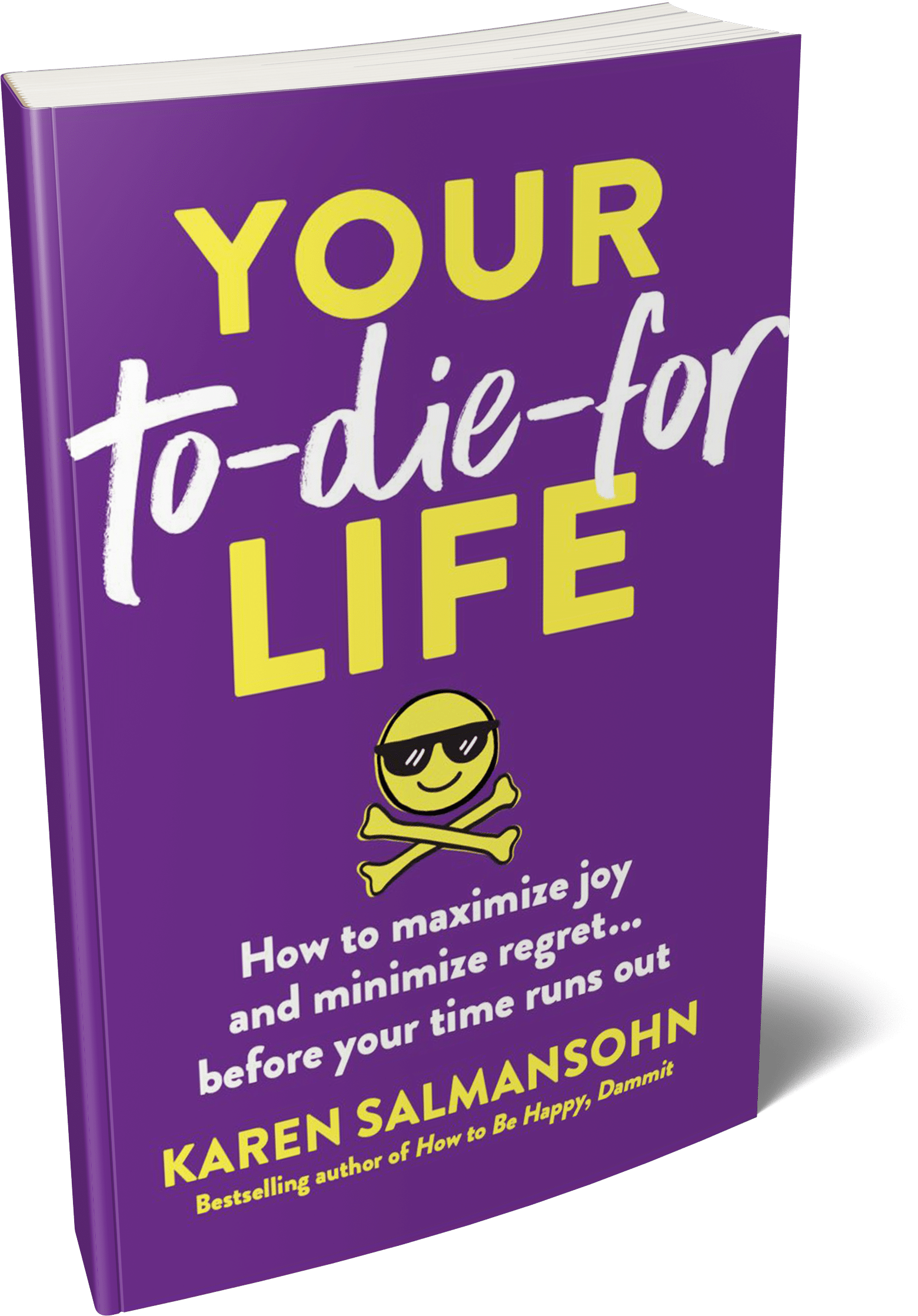

Get A Sneak Peek at my book “Your To-Die-For Life”!
Get a FREE sneak peek! Learn how to use Mortality Awareness as a wake up call to live more boldly.


 Have you ever noticed how a small instance of discomfort can set the tone for the entire day? Whether it’s dry eyes, a stiff neck, or just general fatigue – it all slowly adds up. Next thing you know, you have trouble focusing, your boss is annoyed, and you’re considering going back home even though you just made it to work.
In this article, we’re going to share what truly drives your sense of physical ease. Read on to know how your hormones, health, and consistently advancing modern healthcare options are changing the dialogue entirely.
Conversations about health, happiness and general well being are still centered around three things: diets, exercise routines, and diseases. But with time, people have started to read between the lines. The subtler terms matter, even if they’re seldom talked about. How you sleep, how you feel throughout the day, and how you move are essential indicators. Even so, many people still fall short, and according to the CDC, more than one-third of U.S. adults sleep less than the recommended seven hours per night. We’ve started to understand that comfort is more of a signal rather than a source for indulgence. Very often, a body in balance doesn’t call out for attention.
This shift has become noticeable in all facets of life. Remote work is now continuously blurring the line between being a productive co-worker and knowing you need sufficient sleep every night (even if it’s a Friday). Our smartwatches track how much we move, how we slept, and whether we’re stressed as if these indicators are just as important as our blood pressure.
We’re now prioritizing access and convenience for all the right reasons. Now, people don’t wait six weeks to address a symptom. For women juggling tough daily routines, this is critical. It’s essential that care is grounded in what works, is available in a timely manner, and tailored for every individual.
For instance, consider a prescription scream cream like O-mazing. It does wonders for supporting sexual response in females who are experiencing changes in arousal often experienced during menopause or perimenopause. It contains ingredients that improve physical sensation and blood flow and it is delivered through a platform that connects you with a doctor. Products like such indicate how our expectations regarding personal care have evolved. People now want options that are fast, comfortable, and private.
With options like these, the healthcare industry is quietly carving a space. This space lets people say what they want from their bodies and get support easily without hassle. For decades, women have continued to live with discomfort because they believed that was the only way, but now, the conversation is changing.
It’s important to remember what comfort truly means. It doesn’t mean lying on the couch to take a breather or avoiding pain. When you’re comfortable, you’re able to move throughout your day with ease. That means walking up the stairs without your lower back hurting, waking up and not feeling tired, and getting intimate with your partner without feeling frustrated. Even though these things are less talked about, they’re pivotal signals of a high quality life.
Joint stiffness is another great example. No one needs a test or a diagnosis to know that it slows us down. For several women going through hormonal changes, inflammation can quietly creep up in ways that don’t feel too dramatic at the start but can prove to be disruptive in more than one way. In moments like these, the simple things can help. Habits like short walks, stretching and getting regular movement can be truly transformative. An approach like this prioritizes symptoms in context and not in isolation.
The pandemic made us all attuned to quiet places, and in today’s world, we’ve all become sensitive to noise, screens, and crowds. Our tolerance levels for disruption have changed and now, staying healthy also means carefully managing our sources of information. Have you ever wondered why a quiet walk without your phone feels so comfortable? It’s because that’s when you truly disconnect from overwhelming notifications that constantly tell you that you’re losing time. Such changes feel small, but do an excellent job of regulating your nervous system.
The crux of this conversation isn’t about a solution, cream or a symptom. It’s about how we feel in our bodies and what we can do about it. Self-care should not be limited to Sundays but has to be an everyday choice that is easy to make. We all deserve to get through our day without having to ignore pain that we’ve been told is “normal.”
Moreover, it’s important to remember that your comfort doesn’t need an explanation. You don’t have to go through a crisis to want to feel comfortable.
P.S. Before you zip off to your next Internet pit stop, check out these 2 game changers below - that could dramatically upscale your life.
1. Check Out My Book On Enjoying A Well-Lived Life: It’s called "Your To Die For Life: How to Maximize Joy and Minimize Regret Before Your Time Runs Out." Think of it as your life’s manual to cranking up the volume on joy, meaning, and connection. Learn more here.
2. Life Review Therapy - What if you could get a clear picture of where you are versus where you want to be, and find out exactly why you’re not there yet? That’s what Life Review Therapy is all about.. If you’re serious about transforming your life, let’s talk. Learn more HERE.
Think about subscribing for free weekly tools here.
No SPAM, ever! Read the Privacy Policy for more information.
