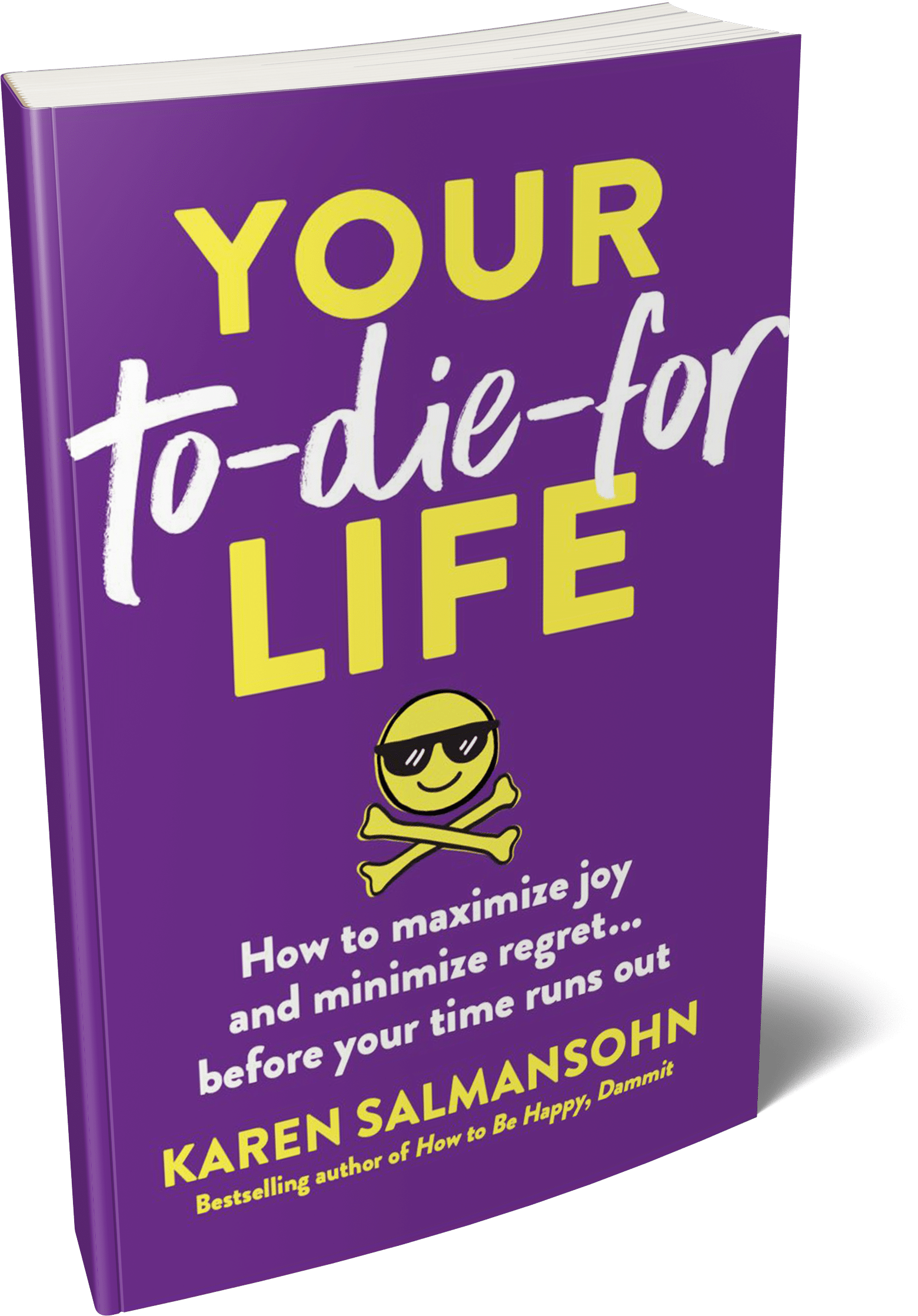

Get A Sneak Peek at my book “Your To-Die-For Life”!
Get a FREE sneak peek! Learn how to use Mortality Awareness as a wake up call to live more boldly.


 There is a moment that sneaks up on you. It might happen on a quiet Sunday morning when you wake up feeling heavy, not from a hangover exactly, but from something harder to name.
Or maybe it happens at a dinner party, glass in hand, when you suddenly realize you are not even tasting the wine anymore. You are just doing what you always do because it is what you have always done.
For a lot of people, sobriety does not begin with a dramatic rock-bottom story. It begins with a question, soft but persistent. What if this is not working for me anymore?
That is where the sober curious movement has opened a door. It gives permission to explore life with less alcohol, without needing to label yourself or justify your choice. But at some point, curiosity can shift into something deeper. Something more serious. And the shift is not always obvious at first. So how do you know when it is time to move from experimenting to committing? Let us talk about it in a real way.
Being sober curious is not a trend, even if social media sometimes packages it that way. At its heart, it is about awareness. It is choosing to look at your drinking with open eyes instead of autopilot.
Sober curious might mean taking a month off alcohol, noticing how your sleep changes, or realizing how often drinking is tied to stress relief. It can mean wondering why alcohol feels so stitched into social life, or asking yourself if you actually want that next drink or if it is simply a habit.
It is a gentle entry point. There is no pressure to declare forever. You are simply experimenting with a different way of living, giving yourself space to observe instead of judge. And for many people, that is enough. They cut back, they feel better, they find balance. But sometimes curiosity reveals something else.
Here is the tricky part. Sober curious can feel comfortable because it is temporary. It lives in the world of maybe. Maybe I will drink less. Maybe I will take breaks. Maybe I will figure it out later. But if you keep returning to the same uneasy thoughts, that is worth paying attention to.
You might notice that you plan to drink less but rarely follow through. You might find that one drink often becomes more than you intended. You might realize alcohol takes up more mental space than you want to admit, even when you are not drinking. Or you might feel anxious, low, or emotionally unsettled afterward, even if nothing “bad” happened. This is where sober seriousness begins to whisper. Something like, I think I need more than a break.
A lot of people get stuck on the wrong question. They ask, Can I stop anytime? But the more revealing question is, Do I like what alcohol is doing in my life?
Because even if you technically can stop, you may still notice that drinking is taking more than it gives. It might be stealing your energy. It might be dulling your mornings. It might be making you less patient, less present, less connected.
Sobriety is not only about dependency. It is about alignment. Does alcohol fit the person you are becoming? Does it support your peace, your relationships, your health, your future? If the answer keeps leaning toward no, that matters.
Committing to sobriety is deeply personal. It is not about meeting some external threshold. But there are signs that a deeper commitment may bring relief.
One of the clearest signs is that you feel better without alcohol, period. Not just physically, but emotionally. More clarity. More steadiness. More self-respect. Sometimes the body tells the truth before the mind catches up.
Another sign is that moderation feels like work. For some people, moderation is natural. For others, it becomes exhausting. If drinking feels like a negotiation every time, sobriety can actually be simpler. Not easier, but simpler. No more mental math. No more rules that keep changing.
It is also worth noticing if alcohol has become a coping tool. If drinking is how you manage stress, loneliness, boredom, or anxiety, it can quietly become a crutch. And the problem with crutches is that eventually, you forget how to walk without them.
And then there is the quiet cycle of “next time.” If you have made the same promise over and over, listen closely. I will slow down after the holidays. After this stressful season. Next month will be different.
At some point, the delay becomes its own answer.
One of the biggest mindset shifts is realizing that sobriety is not a sentence. It is not about deprivation. It is about devotion. Devotion to waking up clear. Devotion to emotional honesty. Devotion to not needing a substance to feel like yourself.
Being sober serious is not about never having fun again. It is about not needing alcohol to access your life. And that is powerful.
Sobriety can be the beginning of trust in yourself again. The kind that grows quietly, day by day, as you realize you can handle your life without numbing your way through it.
Committing does not mean doing it alone. In fact, trying to white-knuckle sobriety in isolation is one of the hardest ways to begin. Support can look like therapy, community groups, coaching, or structured programs for addiction that offer guidance and accountability.
It can look like finding sober friends or spaces where you feel understood. It can look like reading stories that remind you you are not broken, you are waking up.
This is worth repeating. You do not need to lose everything to decide something is not serving you. You do not need a crisis to justify change. Wanting a clearer life is reason enough. Wanting peace is reason enough. Wanting to feel proud of yourself again is reason enough.
Sobriety is not only for people who have fallen apart. It is also for people who want to come home to themselves.
So how do you know when it is time to commit? Maybe it is when curiosity stops feeling light and starts feeling urgent. Maybe it is when you realize alcohol is not enhancing your life anymore, just distracting you from it. Or maybe it is when the thought of staying the same feels heavier than the fear of changing. Sober curious opens the door. Sober, serious is walking through it. And on the other side is not a smaller life.
It is a life that belongs fully to you. Take your time. Be honest. Listen closely. The answer is often already there, waiting quietly beneath the noise.
P.S. Before you zip off to your next Internet pit stop, check out these 2 game changers below - that could dramatically upscale your life.
1. Check Out My Book On Enjoying A Well-Lived Life: It’s called "Your To Die For Life: How to Maximize Joy and Minimize Regret Before Your Time Runs Out." Think of it as your life’s manual to cranking up the volume on joy, meaning, and connection. Learn more here.
2. Life Review Therapy - What if you could get a clear picture of where you are versus where you want to be, and find out exactly why you’re not there yet? That’s what Life Review Therapy is all about.. If you’re serious about transforming your life, let’s talk. Learn more HERE.
Think about subscribing for free weekly tools here.
No SPAM, ever! Read the Privacy Policy for more information.
