 Losing a loved one through the negligence of another person creates a unique type of emotional devastation. It’s not just about the sadness of loss, but the weight of knowing the tragedy was preventable. This sudden shift in reality leaves families searching for stability while managing intense psychological strain.
Why does the human mind struggle so much when a life is taken unfairly? Understanding how legal processes intersect with mental health can help families make informed, supportive choices at their own pace.
Why Does Sudden Loss Create Traumatic Grief?
Sudden death can disrupt typical mourning processes for many people. The injustice of the act makes the pain feel heavier. Consider speaking with a qualified attorney about wrongful death or related claims in your jurisdiction to understand your options.
How Does Shock Delay The Healing Process?
Shock acts as a mental shield, protecting the person from immediate and searing pain. Prolonged shock can delay engagement with grief processing and may warrant support from a mental health professional.
Why Do Survivors Experience Survivor’s Guilt?
Many family members wonder why they lived while their loved one did not. This guilt is a common psychological response to a situation where they had no control over the final, tragic outcome.
When Does Complicated Grief Require Intervention?
When grief substantially impairs daily functioning, clinicians may assess for conditions such as prolonged grief disorder using established criteria. Professional mental health support can be beneficial and is commonly recommended when grief markedly interferes with daily life.
Why Is Legal Precedent Important For Mental Health Claims?
Legal systems provide the structural framework needed to address the profound psychological impact of a sudden loss. For example, in North Carolina, the NCDOL reported 48 fatal workplace incidents during the 2024 fiscal year, with the Charlotte district accounting for nearly 20 percent of those cases. This high concentration of industrial fatalities often leads survivors to seek a Charlotte wrongful death lawyer at Stewart Law Offices, who can help local workers document how the mental health consequences of a tragedy are categorized and presented within a legal claim.
These laws acknowledge the value of the relationship that was lost. These statutes define legal rights and remedies for eligible survivors, which some families experience as a form of acknowledgment. Legal processes can sometimes complement emotional healing, though psychological recovery typically depends on broader support.
Locals who are facing complications in such a serious situation can seek guidance by dialing their Charlotte office number 704-521-5000 or can visit by themselves at 2427 Tuckaseegee Road, very near to Jungle Cycle + Strength Studio and Seversville Park, to discuss their situation with a seasoned wrongful death attorney, to understand their legal options.
How Do Legal Proceedings Influence Emotional Recovery?
The legal system focuses on facts, but its impact on the heart is undeniable. Litigation can provide closure or extend suffering through procedural requirements. Here is a look at how these legal mechanics affect healing:
Deposition Testimony
Sitting for a deposition requires survivors to recount events and circumstances in detail under oath, which can be distressing. This process can trigger flashbacks and deep anxiety. While it is necessary for building a case, it often complicates recovery.
Settlement Offer
Settlement offers may provide financial relief; many are expressly made without any admission of liability. While money cannot replace a person, a settlement can help address certain financial burdens related to the loss. Financial support can make it easier for some families to access ongoing therapy and related services.
Evidence Collection
Gathering evidence often requires looking into the private lives of the deceased and their family. This loss of privacy can feel invasive, making it harder for the family to grieve in peace.
What Practical Steps Can Families Take Today?
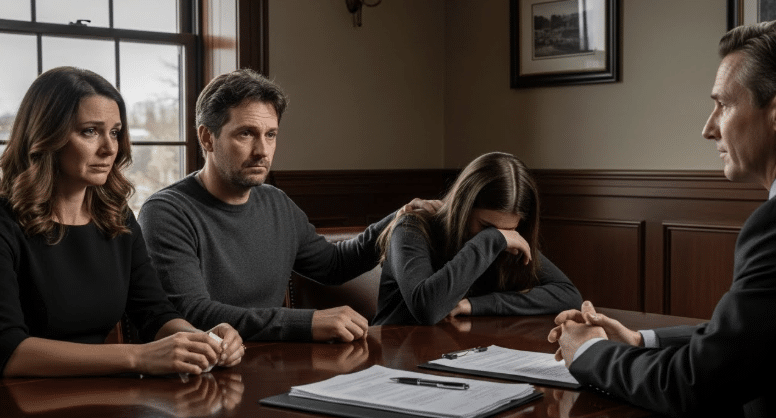 Seeking professional help is a logical first step for anyone experiencing prolonged grief. Therapy provides a safe space to process the what-ifs that often haunt survivors. According to Christian Gerencir, a Charlotte wrongful death lawyer, “keeping a journal can help externalize complex emotions that may be hard to express aloud.”
Focus on small, manageable routines to regain a sense of control. This could be as simple as a morning walk or a set mealtime. Have you considered joining a support group? Connecting with others who understand this specific type of loss reduces feelings of isolation.
Where Can Survivors Find Ongoing Support Systems?
Recovery is rarely a solo journey, especially when dealing with the psychological fallout of a sudden loss. Finding a community of peers provides a unique form of validation that friends and family cannot always offer. You don’t have to face this experience alone; community support can be helpful.
Local non-profits and national organizations offer specialized grief counseling that focuses on traumatic loss. These resources may offer coping tools and education for common grief-related challenges. Engaging with these systems can help families build a supportive network as they work toward emotional stability.
What Are The Frequently Asked Questions About This Loss?
Can a family claim damages for mental anguish?
Yes, survivors can often recover compensation for emotional distress, loss of companionship, and the mental pain following a loss.
How long does a wrongful death case take?
These cases vary, typically lasting from several months to a few years, depending on complexity and the court’s schedule.
Is professional counseling considered a legal expense?
While counseling is a personal health cost, it is often documented to demonstrate the extent of the emotional damage.
What if the responsible party has no insurance?
Recovery becomes more complex, though other avenues like personal assets or secondary insurance policies might be explored for compensation.
P.S. Before you zip off to your next Internet pit stop, check out these 2 game changers below - that could dramatically upscale your life.
1. Check Out My Book On Enjoying A Well-Lived Life: It’s called "Your To Die For Life: How to Maximize Joy and Minimize Regret Before Your Time Runs Out." Think of it as your life’s manual to cranking up the volume on joy, meaning, and connection. Learn more here.
2. Life Review Therapy - What if you could get a clear picture of where you are versus where you want to be, and find out exactly why you’re not there yet? That’s what Life Review Therapy is all about.. If you’re serious about transforming your life, let’s talk. Learn more HERE.
Think happier. Think calmer.
Think about subscribing for free weekly tools here.
No SPAM, ever! Read the Privacy Policy for more information.
One last step!
Please go to your inbox and click the confirmation link we just emailed you so you can start to get your free weekly NotSalmon Happiness Tools! Plus, you’ll immediately receive a chunklette of Karen’s bestselling Bounce Back Book!