 Our homes are more than just structures with walls and roofs. They are living environments that influence our moods, behaviors, and even our overall well-being. The ways we interact with our homes—from morning routines to evening wind-downs—play a significant role in shaping our emotional landscape.
By paying attention to how we organize, curate, and move through our spaces, we can transform everyday life into a series of mindful rituals that foster peace and happiness.
The Psychology of Space
Research in environmental psychology consistently shows that the physical environment impacts our mental state. Cluttered spaces can create stress, while thoughtfully arranged rooms can enhance calm and creativity. Our sensory experiences—light, color, texture, and even scent—affect how we perceive comfort and relaxation.
For instance, natural light has been linked to improved mood and productivity, while soft, warm tones can foster a sense of security. Even subtle choices, such as the scent of a home candle or the material of furniture, can trigger a deep emotional response. Homes are, in essence, extensions of our mental and emotional selves; the way we treat them directly shapes how we feel inside.
Morning Rituals and Mindful Beginnings
How we start our day often sets the tone for everything that follows. Simple morning rituals, like making the bed, opening the windows, or enjoying a cup of tea in a serene corner, can help cultivate mindfulness. These small acts signal to our brain that the day has a rhythm, structure, and intention.
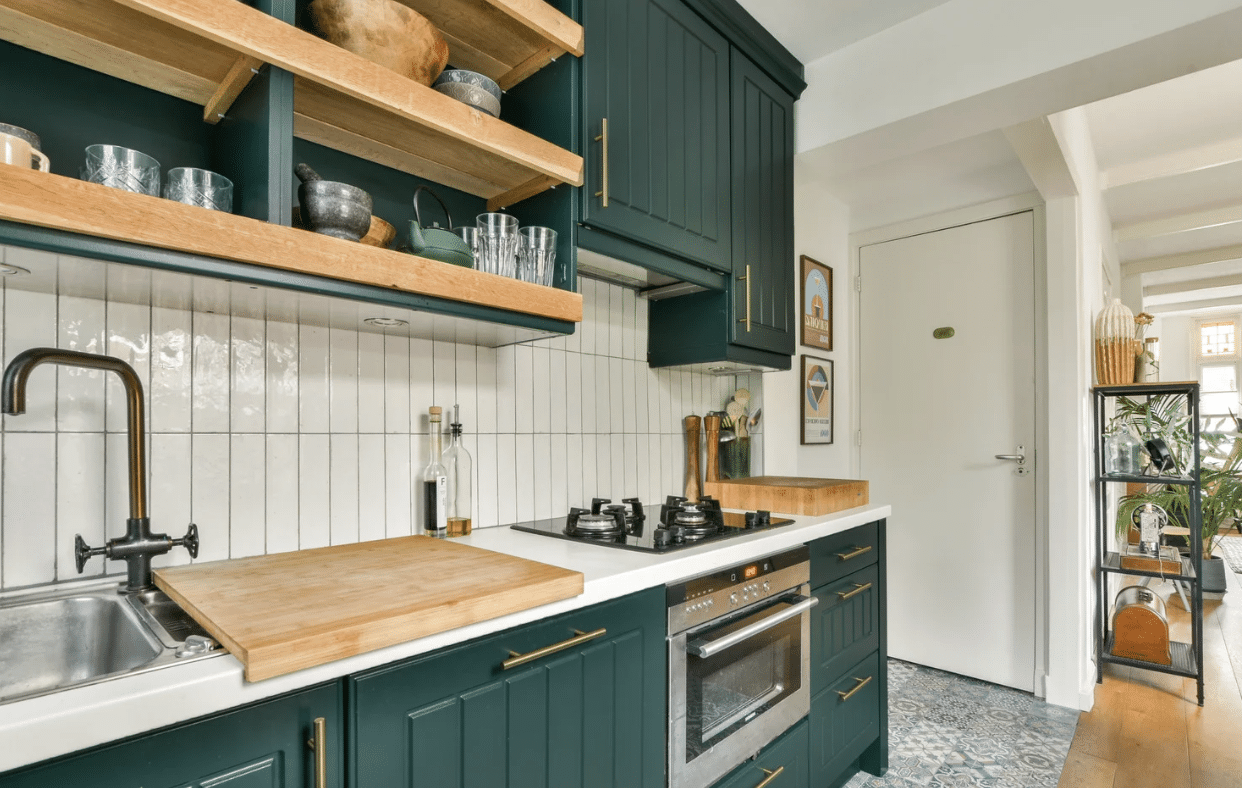
A kitchen that feels clean, well-lit, and functional can also enhance this experience. When preparing breakfast, the tools and appliances we interact with can either create a sense of ease or frustration. Thoughtful investments in high-quality kitchen features, like a wall-mounted range hood, reduce distractions and improve the overall flow of the space. Companies like CopperSmith offer options that are not only efficient but also visually calming, allowing the kitchen to feel less like a task zone and more like a sanctuary.
Creating Calm Through Design
Design choices are not purely aesthetic—they are deeply psychological. Minimalist layouts, soft textures, and natural materials can evoke a sense of calm. A living room arranged for both function and comfort encourages relaxation, while a cluttered, over-decorated space may increase tension and restlessness.
Colors play an essential role as well. Shades of blue, green, and earth tones are often associated with tranquility, while bright, saturated colors can energize or overwhelm. Even the way we store and organize everyday objects—keeping frequently used items accessible and hidden storage neat—contributes to the overall sense of harmony in a home.
The Role of Daily Rituals
Rituals are often thought of as grand or ceremonial, but in a home context, they can be wonderfully simple. Lighting a candle before dinner, taking five minutes to tidy a workspace, or even playing a favorite song while cooking are all rituals that provide stability and pleasure. These consistent actions give our days structure and, over time, contribute to a sustained sense of well-being.
A thoughtfully designed kitchen, for example, encourages these small but meaningful moments. High-quality materials, functional layouts, and well-placed appliances support daily routines rather than hinder them. This careful attention to detail transforms ordinary activities into practices of mindfulness and presence.
Sensory Connections and Emotional Impact
Our senses are constantly interacting with our environment, even when we are not consciously aware of it. The sound of a gentle water feature, the softness of a throw blanket, or the aroma of freshly baked bread can evoke feelings of comfort and nostalgia. Conversely, harsh lighting, uncomfortable furniture, or unpleasant odors can contribute to stress and restlessness.
By intentionally shaping these sensory experiences, we create a home that nurtures emotional balance. The kitchen, often the heart of the home, is a prime example. Appliances and fixtures that function smoothly and quietly allow for a more serene environment, enabling people to focus on connection and enjoyment rather than frustration. Design and utility can coexist, allowing for sensory harmony while cooking or entertaining.
The Importance of Flow
Flow in a home is about movement and accessibility. Spaces that are easy to navigate, with furniture and tools placed logically, reduce friction in daily life. A disorganized or poorly planned layout can result in repeated annoyances, which subtly chip away at patience and calm.
Intentional flow doesn’t have to mean rigidity. It’s about creating a balance between aesthetic appeal and practical function. Pathways should feel open, and frequently used items should be accessible. Lighting, ventilation, and acoustics all contribute to the flow, helping to ensure that energy in the home moves freely, supporting comfort and mindfulness.
Building Habits That Last
The cumulative effect of thoughtful design and daily rituals is lasting peace. When our environments are aligned with our needs and values, it’s easier to maintain healthy habits and emotional equilibrium. Regular routines become second nature, and the home itself becomes a partner in our well-being rather than a source of stress.
Even small upgrades, such as ensuring proper ventilation in the kitchen, can have a profound impact on overall calm. Products that marry functionality with aesthetics—such as CopperSmith’s wall-mounted range hoods—demonstrate how smart choices in home infrastructure can reduce mental load while enhancing beauty and serenity.
Mindful Living Beyond the Physical Space
Creating a home that supports happiness isn’t only about furniture, appliances, or décor—it’s about the mindset we bring into the space. Mindfulness, gratitude, and intention transform our interactions with the home environment. By noticing the little things—the way sunlight filters through the windows, the softness of a chair, or the ease of opening a drawer—we deepen our connection to the present moment and to the space itself.
This practice extends to how we treat others in our homes as well. Welcoming family and friends in a space designed for comfort and warmth fosters connection, empathy, and shared joy. The home becomes more than a dwelling; it becomes a sanctuary for growth, reflection, and positive interaction.
Conclusion
Our homes are mirrors of our inner states, reflecting both the chaos and the calm within us. By thoughtfully designing spaces, creating meaningful rituals, and engaging with our environment mindfully, we can cultivate a life that feels centered and harmonious. Simple changes—a decluttered countertop, a well-placed lamp, or an efficient, elegant wall-mounted range hood—can ripple outward, influencing mood, relationships, and daily satisfaction.
Ultimately, lasting peace is less about perfection and more about intention. Each small choice in our homes, from décor to routines, shapes the emotional and sensory landscape we inhabit. By treating our living spaces with care, we create a foundation for happiness, one daily ritual at a time.
P.S. Before you zip off to your next Internet pit stop, check out these 2 game changers below - that could dramatically upscale your life.
1. Check Out My Book On Enjoying A Well-Lived Life: It’s called "Your To Die For Life: How to Maximize Joy and Minimize Regret Before Your Time Runs Out." Think of it as your life’s manual to cranking up the volume on joy, meaning, and connection. Learn more here.
2. Life Review Therapy - What if you could get a clear picture of where you are versus where you want to be, and find out exactly why you’re not there yet? That’s what Life Review Therapy is all about.. If you’re serious about transforming your life, let’s talk. Learn more HERE.
Think happier. Think calmer.
Think about subscribing for free weekly tools here.
No SPAM, ever! Read the Privacy Policy for more information.
One last step!
Please go to your inbox and click the confirmation link we just emailed you so you can start to get your free weekly NotSalmon Happiness Tools! Plus, you’ll immediately receive a chunklette of Karen’s bestselling Bounce Back Book!


