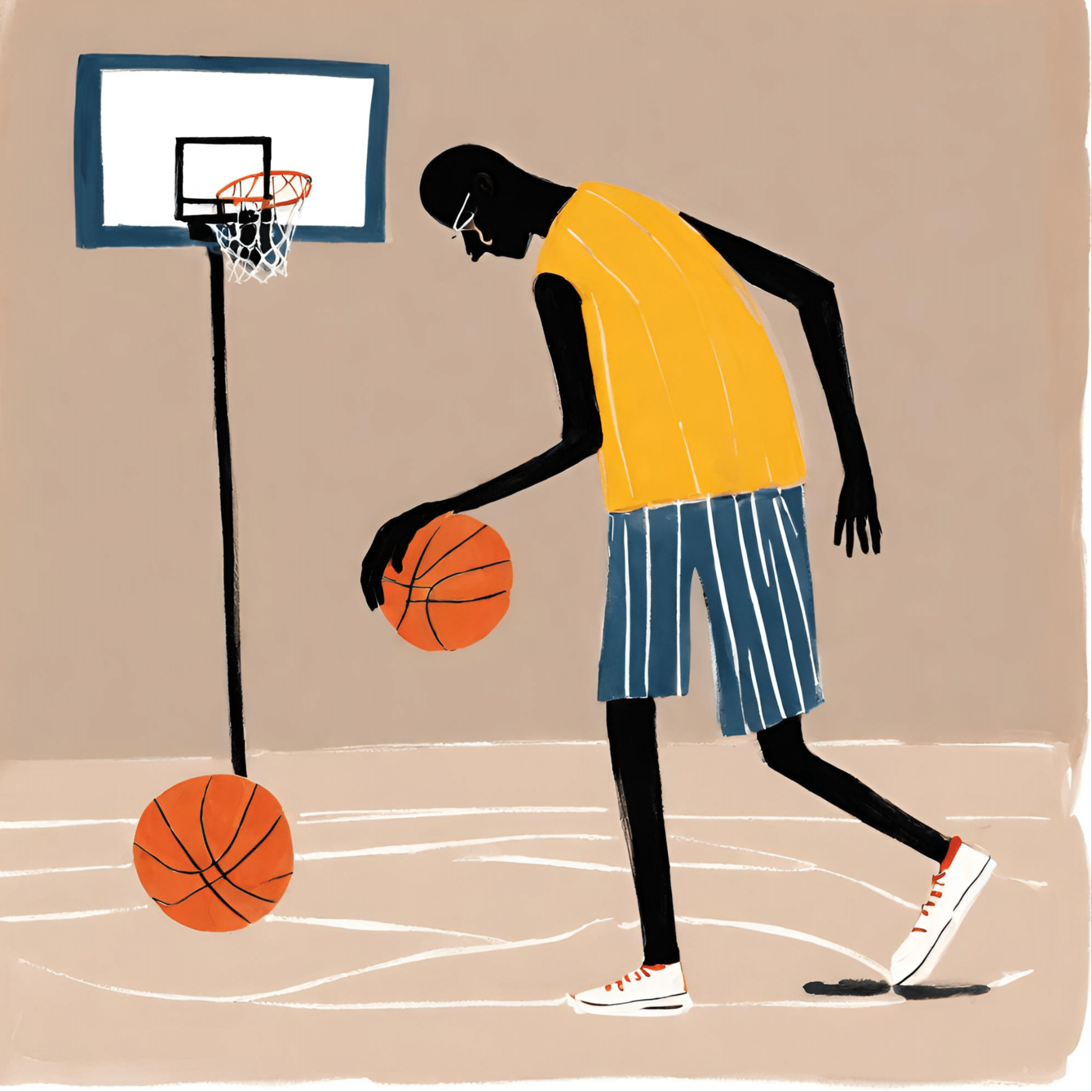
 There’s something quietly powerful about watching a kid lace up their cleats for the first time. The field, the gym, the court—it doesn’t really matter where they start. What matters is what happens next. Kids don’t just show up to play; they show up to learn about effort, discipline, and teamwork, whether they realize it or not.
For many families, investing in softball pitching lessons is a must or signing up for a soccer league becomes the start of something much deeper than a Saturday hobby. Those first seasons are where kids learn to listen, try again after falling short, and figure out that success rarely shows up without a few bruises along the way.
Parents often worry about the cost, time, or chaos of adding another activity into their week, and that’s fair. Between practices, games, and the logistics of keeping uniforms clean, it’s not a small commitment. But it’s one of those commitments that pays off quietly over time. The payoff comes when you see your child handle frustration with grace, support a teammate, or realize they don’t need to win every time to belong.
Confidence That Comes From Trying Again
Confidence isn’t something you can just hand a kid, it’s built, and sports happen to be one of the best construction zones for it. There’s the moment after a strikeout or missed goal when a child feels that familiar sting of embarrassment, and then the next practice, when they show up anyway. It’s not the trophy that makes them stronger; it’s the showing up. Over time, that small act of returning starts to shape how they handle other challenges, from school stress to friendships.
Team sports, especially, give kids a space to fail safely. They learn that effort counts, that feedback isn’t criticism, and that improvement takes repetition. It’s not about perfection; it’s about consistency. Watching them handle both the good and bad days teaches parents something, too: that we can’t always protect them from disappointment, but we can teach them how to walk through it with their heads up.
The Discipline Behind The Fun
Sports have a funny way of making structure feel exciting. What might look like drills and routines from the outside actually helps kids develop a sense of responsibility. They learn that practice starts at a certain time and that showing up late affects the whole team. That awareness translates far beyond athletics, it shows up in how they manage their schoolwork, how they plan their days, and how they interact with others.
There’s also something valuable in how sports blend freedom with rules. Kids get to move, express, and experiment, but within boundaries that keep things fair. That balance can make them more adaptable later in life. They begin to connect the dots between preparation and results, realizing that discipline isn’t about restriction—it’s about ownership. That mindset becomes their foundation for everything else, from studying to handling real-world responsibilities.
The Lesson Hidden In Losing
Losing isn’t fun, but it’s one of the best teachers around. Sports give kids a place to experience loss in a way that feels safe but real. There are no shortcuts to that lesson—you have to live it. The frustration of defeat and the determination to bounce back create resilience. This is where the idea of not giving up stops being a motivational phrase and becomes an instinct.
A child who learns to recover from a tough game without bitterness or blame learns far more than just athletic control. They develop emotional maturity. They start to separate their identity from their performance, understanding that a bad game doesn’t make them a bad player, or a bad person. That lesson takes time, but when it sticks, it becomes one of the strongest tools they’ll ever carry.
Connection Through Competition
For all the individual growth that happens in sports, the relationships might be the best part. Teammates often become lifelong friends, and coaches can turn into some of the most influential adults in a child’s life. There’s something special about working toward a shared goal that strengthens those connections. It’s not just about cheering for the win, it’s about showing up for each other when things don’t go as planned.
Sports also give families something shared and real to talk about. There are car rides filled with pep talks, postgame breakdowns, and quiet moments where parents see their child differently, stronger, more self-aware, and more resilient than before. These memories often become the glue that holds a family’s stories together years later.
What Really Stays With Them
Long after the trophies collect dust and the uniforms are boxed up, the lessons stay. Kids who grow up in sports tend to walk through the world with a certain steadiness. They know that effort counts more than ease, that collaboration can be messy but rewarding, and that every challenge carries a chance to grow. Those lessons don’t fade when the season ends; they follow them into adulthood.
Whether your child finds their stride on a baseball field, a dance floor, or a basketball court, the game itself is just the setting. The real story is what they carry out with them, the lessons that remind them they’re capable, steady, and stronger than they thought.
P.S. Before you zip off to your next Internet pit stop, check out these 2 game changers below - that could dramatically upscale your life.
1. Check Out My Book On Enjoying A Well-Lived Life: It’s called "Your To Die For Life: How to Maximize Joy and Minimize Regret Before Your Time Runs Out." Think of it as your life’s manual to cranking up the volume on joy, meaning, and connection. Learn more here.
2. Life Review Therapy - What if you could get a clear picture of where you are versus where you want to be, and find out exactly why you’re not there yet? That’s what Life Review Therapy is all about.. If you’re serious about transforming your life, let’s talk. Learn more HERE.
Think happier. Think calmer.
Think about subscribing for free weekly tools here.
No SPAM, ever! Read the Privacy Policy for more information.
One last step!
Please go to your inbox and click the confirmation link we just emailed you so you can start to get your free weekly NotSalmon Happiness Tools! Plus, you’ll immediately receive a chunklette of Karen’s bestselling Bounce Back Book!


