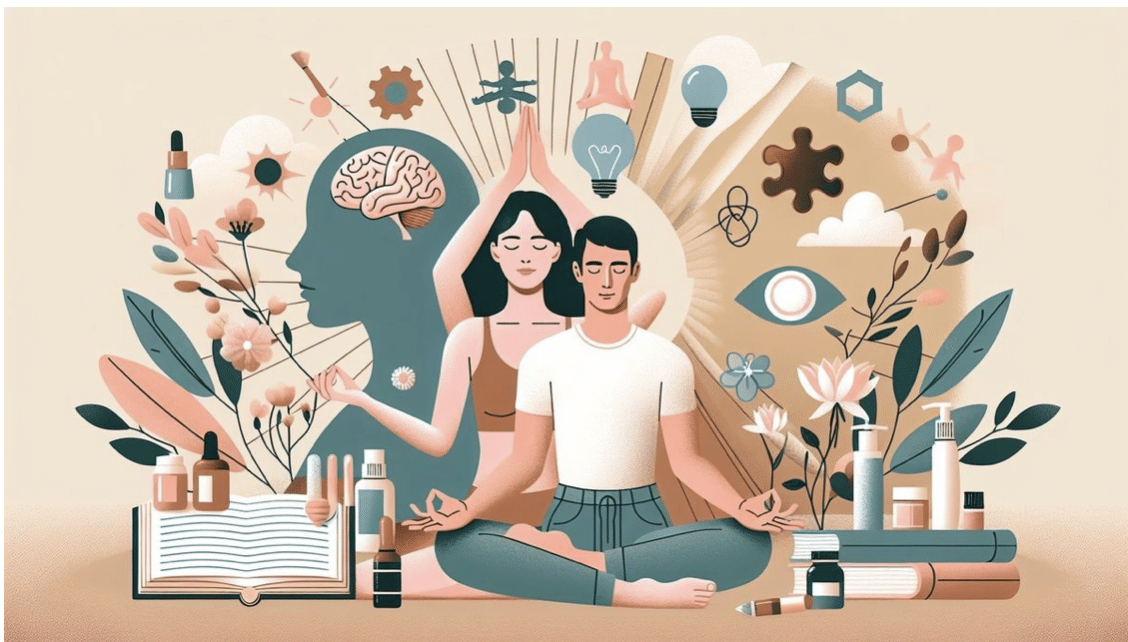
 The quest for a truly balanced lifestyle in the 21st century often feels like a constant battle against the incessant pull of our screens. We are wired, connected, and often, overwhelmed. Achieving peak health (mental, emotional, and physical) requires discipline in diet and exercise. Plus, it also demands a strategic approach to digital consumption. It’s about making your technology work for your wellness, not against it.
For those looking to tailor their communication experience and reclaim control over their focus, specialized tools offer a path to a calmer digital life, such as exploring the enhanced features of Nicegram, a gateway to intentional interaction. This shift from passive consumption to active curation is the new, silent revolution in self-care.
The Modern Digital Dilemma: When Connection Costs Your Health
We’ve all heard the statistics: the average adult spends several hours a day on their phone, checking it dozens of times. While technology has democratized information and communication, its misuse has created a global health crisis. This isn’t just about ‘wasting time’; it’s about measurable physiological and psychological harm.
Constant digital stimulation, particularly from the never-ending stream of notifications, keeps our bodies in a state of low-grade stress, elevating cortisol levels. This chronic stress response is a known contributor to a host of health issues, including insomnia, weight gain, anxiety, and a weakened immune system. Furthermore, the blue light emitted by devices suppresses melatonin, disrupting our circadian rhythm and compromising sleep quality—a foundational pillar of good health.
Mentally, the fragmented attention span caused by digital multitasking reduces our ability to focus, think deeply, and experience true presence in our daily lives. The paradox is clear: we use technology to feel more connected, yet often end up feeling more isolated and depleted. A healthy lifestyle, therefore, must begin with an honest assessment of our digital habits and a commitment to setting firm boundaries.
Reclaiming Your Attention: The Philosophy of Digital Minimalism
The answer to digital overload is not a complete detox, which is often unsustainable, but rather a practice known as Digital Minimalism. Popularized by author Cal Newport, this philosophy is not about less technology, but about less, but better technology. It is a deliberate and selective approach to using digital tools. You must intentionally identify the technologies that serve your personal and professional values, and then ruthlessly cut out the rest.
In the realm of communication, for example, this means evaluating every App and every group chat. Does this platform genuinely enhance my life or productivity, or does it merely provide fleeting distraction? A digital minimalist curates their digital environment much like a master gardener tends to their plot—removing the weeds (distracting Apps, noise) and nurturing the plants (productive, meaningful tools). This mindset shifts the power dynamic; instead of being controlled by notifications and algorithms, you become the conscious architect of your digital life.
The deliberate curation frees up enormous cognitive resources. By minimizing the mental load associated with checking, responding, and switching contexts, we conserve the mental energy needed for deep work, creative pursuits, and meaningful human connection—the activities that truly enrich a healthy lifestyle.
Technology as an Ally: Building Your Wellness Stack
Once you’ve adopted a minimalist mindset, the next step is to select tools that actively support your health goals. Technology, when wielded correctly, can be a powerful ally in the pursuit of wellness. This involves creating a “wellness stack” of applications that enhance specific areas of your life:
Mindfulness and sleep
Apps for guided meditation, white noise, or sleep tracking help quiet the mind and quantify the quality of your rest.
Physical health
Fitness trackers, workout planners, and nutrition logging tools turn abstract goals into concrete, measurable data.
Intentional communication.
This is where control over your digital environment becomes paramount. Tools that offer granular control over your messaging experience allow you to filter noise and prioritize key contacts. For instance, the ability to organize chats into custom folders, hide unwanted contacts, or manage interface clutter transforms a potential source of stress (the constant stream of messages) into an organized utility. By customizing your interface and experience, you can ensure that your messaging platforms serve as efficient conduits for necessary communication, rather than time sinks. This level of customization ensures that when you do engage with your digital world, it’s on your terms.
The ultimate goal is to automate the mundane and simplify the complex. By choosing platforms that allow for personalization and focus, we minimize decision fatigue and reduce the ambient anxiety that comes with an uncontrolled digital life.
Practical Steps for a Healthier Digital-Life Balance
Transforming your digital habits requires action, not just intention. Implementing the following steps can drastically improve your mental and physical health:
Establish “screen curfews”
Implement a strict digital blackout period, ideally 60 to 90 minutes before bedtime. Use this time for reading a physical book, gentle stretching, or talking with family. This rule directly improves melatonin production and sleep onset.
Audit your notifications
Turn off all non-essential notifications. Be brutal. The only Apps allowed to interrupt your day should be those critical for emergency or high-priority professional work. For messaging Apps, set the expectation with friends and colleagues that you will check and respond at designated times, freeing you from the tyranny of instant replies.
Create “digital-free zones”
Designate specific areas of your home—like the dining table or the bedroom—as technology-free sanctuaries. The simple act of leaving your phone outside the bedroom overnight is a monumental step toward improved sleep hygiene.
Schedule digital downtime
Just as you schedule workouts or appointments, schedule periods of the day for conscious, intentional screen time. Conversely, schedule regular 15-minute “digital breaks” where you put your phone in another room and focus entirely on a non-digital activity.
Curate your content
Unfollow, mute, or archive any content, accounts, or groups that consistently make you feel anxious, inadequate, or unproductive. Your digital feed should be a source of inspiration and utility, not comparison or distraction. A healthy life is supported by a healthy mind, and a healthy mind requires feeding it nourishing information.
Achieving a healthy, fulfilling lifestyle in the modern era is no longer just about diet and exercise; it’s intrinsically linked to how we manage our digital lives. The path to wellness demands control, intention, and selection. By embracing digital minimalism, thoughtfully curating our toolset, and setting firm boundaries, we stop being passive recipients of the digital world and start becoming its intentional users.
This strategic approach frees up mental space, reduces chronic stress, and dramatically improves sleep quality, allowing us to dedicate our focus to the physical and emotional pursuits that define a truly rich and healthy life. The silent revolution is ongoing, and the greatest act of self-care today is mastering the device in your pocket.
P.S. Before you zip off to your next Internet pit stop, check out these 2 game changers below - that could dramatically upscale your life.
1. Check Out My Book On Enjoying A Well-Lived Life: It’s called "Your To Die For Life: How to Maximize Joy and Minimize Regret Before Your Time Runs Out." Think of it as your life’s manual to cranking up the volume on joy, meaning, and connection. Learn more here.
2. Life Review Therapy - What if you could get a clear picture of where you are versus where you want to be, and find out exactly why you’re not there yet? That’s what Life Review Therapy is all about.. If you’re serious about transforming your life, let’s talk. Learn more HERE.
Think happier. Think calmer.
Think about subscribing for free weekly tools here.
No SPAM, ever! Read the Privacy Policy for more information.
One last step!
Please go to your inbox and click the confirmation link we just emailed you so you can start to get your free weekly NotSalmon Happiness Tools! Plus, you’ll immediately receive a chunklette of Karen’s bestselling Bounce Back Book!


