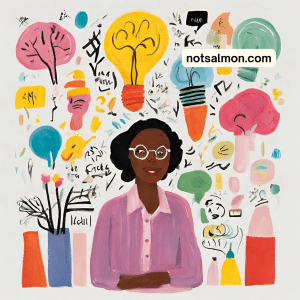
 Discover how university students use creative habits like journaling and collaboration to boost motivation, learning passion, and academic performance.
Creativity is not just for art students. From science to technology, history, and even math, creative approaches have something to offer. For instance, a biology student may illustrate or construct digital models to see how cells are structured, whereas a history major may opt for creative writing based on a historical figure. Most engineering students brainstorm and even build prototypes as a group. In the following lines, you’ll read about…
How University Creativity Habits Fuel Passion for Learning
University life is more than just grades and exams. It’s self-discovery and discovering what excites you. Many students now indulge in creative habits that spark curiosity, keep them motivated, and inspire them to enjoy learning more. Such habits make their academic work an adventure rather than a chore. Let’s see how creativity in learning is shaping the experience of students during their time in university.
Creative Habits: What Are They?
Creative habits refer to those regular activities that promote original thinking. Some examples are the following:
- Journaling
- Brainstorming Ideas
- Artistic, musical, or digital endeavors
- Collaborating with Others
- Visual aids and mind maps
These activities serve to keep students engaged and allow for expressive freedom, thereby helping them approach their coursework more creatively. When a deadline overrides creative thinking, students have freedom to seek additional academic support as needed. Essay help, resources, and aids—given in great measure by Papersowl on https://papersowl.com/ —become important at these times of pressure and difficult assignments. This exemplifies how creativity in learning can spark innovation and deepen understanding in any field.
Creativity in All Disciplines
Creativity is not just for artists. Science, technology, social studies, and even mathematics benefit from creative means. For example:
- A biology student might sketch or generate a digital model of cell structure.
- A history major might imagine and write a creative tale told from the perspective of a historical figure.
- Engineering students may brainstorm and prototype with their peers
This shows how creativity in learning can spark innovation and deepen understanding in any field.
image source: https://unsplash.com/photos/person-holding-book-with-sketch-X6CZGpJBi8U
Journaling for Idea Generation
Among the simplest creative habits is journaling. Daily writings about thoughts, ideas, or problems give students time to reflect and grow.
It helps them:
- Keep track of their own progress
- Work through difficulties
- Identify patterns in their thinking
Self-reflection fosters greater awareness and may open new avenues of thought about their subject. It also enhances creative personality traits such as openness and adaptability.
Brainstorming and Group Work
Group work such as teamwork and group discussion can be a very constructive means of learning. When students brainstorm ideas with their peers, it allows them to understand new perspectives and improve upon their ideas.
These sessions:
- Encourage creative problem-solving
- Build confidence
- Help them see beyond their own thinking
They bring in communication skills and teamwork, two major aspects of academic life.
Connecting Art with Digital Projects
Adding artsy or digital components to the study keeps the main learning fun and dynamic. Students may do the following:
- Make a short video explaining a concept
- Create infographics summarizing some research
- Use music to help them memorize facts or themes
In fact, it makes the process of learning more dynamic, making it fun, and more personal for students with respect to the material. Such techniques, in fact, represent the very meaning of academic life: that it is not only important to prepare oneself for examinations, but also to learn in a way that is fun.
The Role of Creative Personality in Learning
Traits of a creative personality include curiosity, resilience, and imagination. Students typically:
- Ask more questions
- Experiment with other study techniques
- Take risks with their academic work
Such behaviors lead to a deeper understanding and more substantial academic experiences. Creativity is the motivating force behind their incursions into a different, higher learning horizon.
Creativity Fuels Passion and Curiosity
Without doubt, curiosity is the most vital thing on earth, called learning. The more they do creative practices in their lives, the more they are likely to stay curious and motivated.
They will:
- get to study topics that are not mentioned in the syllabus,
- link projects with subjects,
- take some joy in learning
It shows how much curiosity has added value in terms of learning by keeping the mind moving and lively, even in hard times.
Turning Study Spaces into Creative Zones
It is suggested that some students set up creativity hubs in their dormitory rooms or study areas by creating vision boards, color-coded calendars, and/or even ambient light and music playlists metered to what they study. For example, reading philosophy to classical music or coding on ambient soundtracks from sci-fi films could create an evocative study environment. These little imaginative touches create habits that enhance concentration, reduce stress, and establish an emotional bond between students and their academic lives.
image source: https://unsplash.com/photos/assorted-color-painted-wall-with-painting-materials-koo_vYrlU_U
Create a Well-Rounded Academic Life
Creative balancing acts on study routines would be a major improvement in a student’s life. It actually helps a student enjoy the process rather than just the result. With a few creative habits, students are very likely to:
- Motivate for the work
- Manage stress better
- Improve performance
Basically, creativity makes academic life richer and very enjoyable yet deeply meaningful.
Final Thought
University is a stage where one matures and learns to explore. New thought processes and learning avenues can arise with the application of creative habits like journaling, co-learning, and new media expression. Such creative habits do not only improve education performance but also ignite a flame for lifelong learning passions.
Creativity is a gallant attribute in higher education. It inspires motivation, increases curiosity, and enhances the enjoyment of education in the journey. And when you’re studying science, art, or anything in between, let creativity lead the way.
P.S. Before you zip off to your next Internet pit stop, check out these 2 game changers below - that could dramatically upscale your life.
1. Check Out My Book On Enjoying A Well-Lived Life: It’s called "Your To Die For Life: How to Maximize Joy and Minimize Regret Before Your Time Runs Out." Think of it as your life’s manual to cranking up the volume on joy, meaning, and connection. Learn more here.
2. Life Review Therapy - What if you could get a clear picture of where you are versus where you want to be, and find out exactly why you’re not there yet? That’s what Life Review Therapy is all about.. If you’re serious about transforming your life, let’s talk. Learn more HERE.
Think happier. Think calmer.
Think about subscribing for free weekly tools here.
No SPAM, ever! Read the Privacy Policy for more information.
One last step!
Please go to your inbox and click the confirmation link we just emailed you so you can start to get your free weekly NotSalmon Happiness Tools! Plus, you’ll immediately receive a chunklette of Karen’s bestselling Bounce Back Book!


