 A chronic health condition can change how you plan your days, manage relationships, and think about the future. Symptoms may fluctuate, appointments can take up time, and uncertainty may add emotional strain. Still, a diagnosis doesn’t erase your strengths or reduce your life to a medical chart.
Living well with a long-term condition often involves learning your patterns, communicating clearly, and creating systems that support your health. The process looks different for each person, but practical tools can help you protect your energy and stay connected to what matters.
Embracing Your Health Journey
Start by learning what your condition means for your body and your daily routine. Ask your healthcare provider which symptoms need immediate attention, which changes can wait until your next appointment, and how you should track your response to treatment. Written notes can be useful because medical information is difficult to absorb when you’re tired or worried.
Acceptance may develop gradually. Some days, you may feel capable and optimistic. On others, frustration or grief may take up more space. Both responses are normal. Building resilience can include noticing unhelpful thought patterns, adjusting expectations, and focusing on actions that remain within your control.
Try recording your symptoms, energy levels, sleep, and activities for two to four weeks. A simple notebook or phone note works well. Look for patterns without judging yourself. You might discover that grocery shopping and a medical appointment on the same day lead to exhaustion, while spacing them apart makes each task manageable.
Your identity also deserves protection. Keep making room for interests that have no connection to healthcare, even if you need to modify them. Reading with a friend, tending a small garden, or taking a short accessible outing can preserve a sense of continuity. Your condition is part of your life, but it doesn’t have to occupy every conversation or decision.
Building a Robust Support System
Choose a few people who can provide specific types of help. One person may be good at listening while another can drive you to an appointment or take notes during a medical visit. Clear requests often work better than a general statement that you’re struggling. Saying, “Could you bring dinner on Thursday?” gives someone a concrete way to support you.
Long-term care also depends on communication among clinicians, pharmacists, caregivers, and insurers. Keep an updated list of diagnoses, medications, allergies, and healthcare contacts. If several specialists are involved, ask who will coordinate the overall plan and explain how changes from one clinician could affect another part of your care.
People diagnosed with primary immunodeficiency may need to discuss immune globulin therapy with a qualified healthcare provider. Cutaquig is a subcutaneous immune globulin therapy for adult and pediatric patients age 2 and older with primary immunodeficiency, and its patient resources include co-pay assistance, reimbursement guidance, and transition support. Treatment suitability, dosing, and safety considerations require an individual medical assessment.
Peer support can also reduce isolation. Resources about lifelong illness support may help families understand why ongoing care requires patience and flexibility. If a support group increases anxiety or spreads questionable medical claims, step away and look for a moderated community connected to a reputable clinic or patient organization.
Navigating Daily Life with Purpose
Plan around your usable energy instead of an idealized schedule. Identify the two or three tasks that matter most on a given day, then leave space between them. If mornings are difficult, move demanding calls or errands to the afternoon. If fatigue tends to arrive after lunch, prepare food and set out medication earlier.
Small adaptations can reduce the effort required for routine activities. Keep frequently used items within easy reach, use a shower chair if standing drains your energy, and store basic supplies on each floor of your home. At work, you might request written instructions, a modified schedule, or a quieter location for focused tasks when those options are available.
Rest deserves a place in the schedule before symptoms become overwhelming. Ten quiet minutes between activities may prevent a longer period of exhaustion later. Rest can involve lying down, reducing sensory input, or doing a calming activity that asks little of your body.
Difficult periods still happen, even with thoughtful planning. Practical lessons from chronic illness can offer perspective when symptoms interrupt plans. On those days, shrink the scope of the task. A full meal may become a simple sandwich, a long visit may become a 10-minute phone call, and housework may wait.
For more guidance on connecting physical care with emotional health, this article on managing ongoing healthcare explains why mental well-being belongs in the care plan.
Image Credit: Unsplash
Understanding Treatment Options
Ask your healthcare provider to explain each treatment’s purpose, expected benefits, timeline, and potential side effects. Request written instructions or a follow-up if anything remains unclear.
Treatment may include medication, rehabilitation, nutrition support, counseling, or assistive devices, depending on your diagnosis and circumstances. Consult your healthcare provider before starting supplements or stopping prescribed medication to avoid potential interactions or complications.
Track treatment effects by recording doses, symptoms, and changes in sleep, appetite, or mood. Specific notes, such as when a headache begins and how long it lasts, help your healthcare team assess your response.
Before starting treatment, ask about insurance authorization, monitoring costs, and billing support. A clinic social worker or patient coordinator may help clarify access options.
Consider a second opinion if your diagnosis remains uncertain, symptoms worsen without explanation, or the proposed plan conflicts with your priorities. Another clinician may confirm your current care or suggest an alternative.
Advocating for Your Well-Being
Prepare for appointments by listing your top three concerns, starting with the most urgent. Bring symptom records, a medication list, and relevant test results. A trusted person can also attend to take notes.
Explain how symptoms affect daily life. For example, describe how fatigue prevents you from preparing dinner after work or leaves you needing two days to recover from routine errands. Specific examples help clinicians assess symptom severity and impact.
Be honest about emotional distress, including persistent sadness, panic, or loss of interest. A therapist familiar with chronic illness can help you manage grief, changing roles, and medical anxiety. These ideas for feeling overwhelmed offer practical ways to reduce demands and seek support. If you may harm yourself or cannot stay safe, contact emergency services or a crisis resource immediately.
Advocacy also includes correcting outdated medical records, requesting accessible communication, and taking time to consider treatment decisions. Keep important documents and record the outcomes of significant calls.
Living with a chronic condition requires ongoing adjustments. Tracking symptoms, communicating openly, and allowing time to rest can help you manage your health while protecting your quality of life.
P.S. Before you zip off to your next Internet pit stop, check out these 2 game changers below - that could dramatically upscale your life.
1. Check Out My Book On Enjoying A Well-Lived Life: It’s called "Your To Die For Life: How to Maximize Joy and Minimize Regret Before Your Time Runs Out." Think of it as your life’s manual to cranking up the volume on joy, meaning, and connection. Learn more here.
2. Life Review Therapy - What if you could get a clear picture of where you are versus where you want to be, and find out exactly why you’re not there yet? That’s what Life Review Therapy is all about.. If you’re serious about transforming your life, let’s talk. Learn more HERE.
Think happier. Think calmer.
Think about subscribing for free weekly tools here.
No SPAM, ever! Read the Privacy Policy for more information.
One last step!
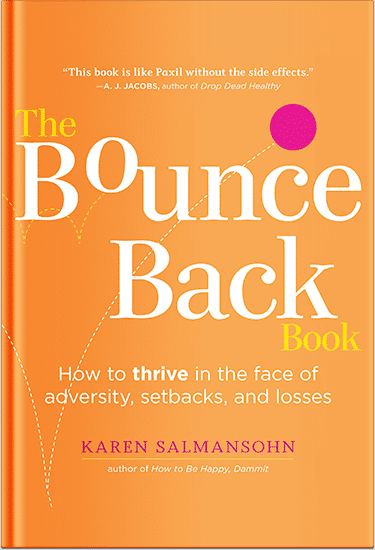
Please go to your inbox and click the confirmation link we just emailed you so you can start to get your free weekly NotSalmon Happiness Tools! Plus, you’ll immediately receive a chunklette of Karen’s bestselling Bounce Back Book!