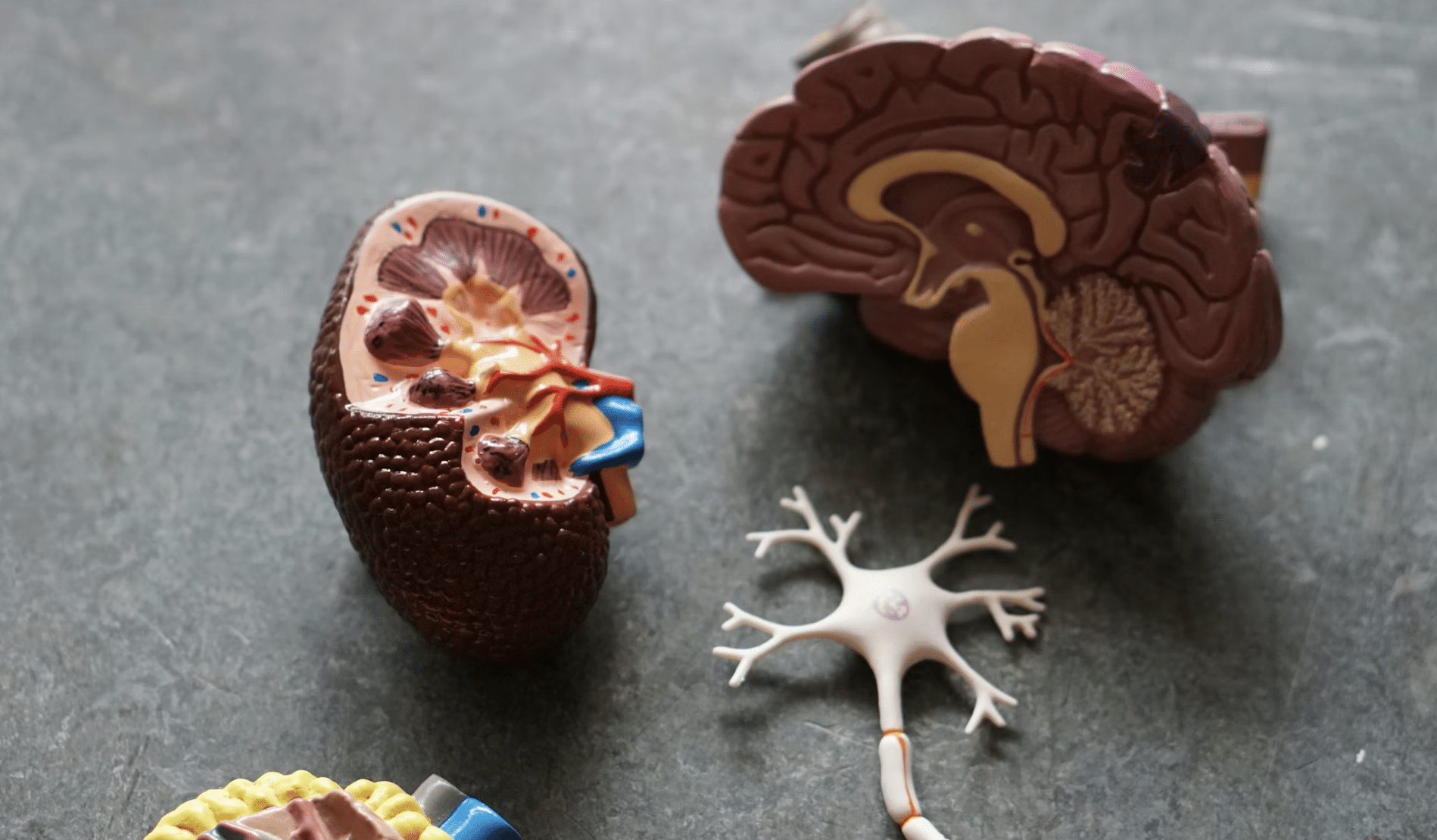
 Your kidneys work around the clock to filter waste from the blood, regulate fluid levels, and support several other important functions that help keep your body in balance. Because these organs play such a vital role, changes in kidney function can affect multiple aspects of your health. However, chronic kidney disease (CKD) often develops gradually, making it easy to miss the early signs or attribute them to other causes.
Adding to the challenge, many symptoms associated with CKD are not unique to the condition. Signs like fatigue and changes in urination habits can occur for a variety of reasons, which is why it’s best to view them as pieces of a larger picture rather than definitive proof of a kidney problem. When you pay attention to persistent or unexplained changes can help you make informed decisions about when to seek medical advice.
While only proper testing can determine whether kidney disease is present, recognizing potential warning signs is an important part of proactive health monitoring. Here are some symptoms that may warrant closer attention, particularly if they persist or occur alongside one another.
Changes in Urination
Because the kidneys are directly responsible for producing urine, changes in bathroom habits are often among the most noticeable signs of CKD. Some people notice they need to urinate more frequently, especially at night. Others may find they expel less urine, or that their urine appears foamy, which can sometimes indicate excess protein. In worse cases, it may contain traces of blood that alter its color. Although occasional changes can occur for many reasons, persistent differences in urinary patterns or appearance may be worth discussing with a healthcare professional, especially if they represent a clear departure from what is normal for you.
High Blood Pressure
A routine blood pressure reading can sometimes reveal important clues about kidney health before other symptoms become obvious. The kidneys help regulate blood pressure through several complex mechanisms, which means damaged kidneys may contribute to elevated blood pressure. Consequently, uncontrolled high blood pressure can place additional strain on the kidneys over time. One challenge is that high blood pressure often develops without noticeable symptoms, so regular checks with a home blood pressure monitor are valuable.
Swelling in the Feet, Ankles, Hands, or Face
When the kidneys are not functioning as effectively as they should, the body may have greater difficulty maintaining proper fluid balance. The excess fluid can then accumulate in certain tissues and lead to noticeable swelling, also known as edema. This swelling often appears in the feet and ankles because gravity causes fluid to collect in the lower extremities, but it can also affect the hands, face, or other areas of the body. While swelling does not automatically point to kidney disease, persistent or unexplained fluid retention may signal that the body is struggling to regulate fluids efficiently and deserves further evaluation.
Persistent Fatigue and Low Energy
Feeling unusually tired for weeks or months can be frustrating, especially when even getting adequate rest does not seem to help. As kidney function declines, waste products that would normally be filtered from the blood may begin to accumulate, potentially contributing to fatigue and a general lack of energy. CKD can also be associated with anemia, a condition in which the body does not have enough healthy red blood cells to carry oxygen efficiently. As a result, everyday tasks may feel more physically demanding, and some people may notice difficulty concentrating or staying productive throughout the day. Since fatigue is linked to many different health conditions, it often warrants more attention when it persists without a clear explanation or occurs alongside other symptoms.
Dry, Itchy Skin
Skin changes may not be the first thing that comes to mind when thinking about kidney health, but they can sometimes provide useful clues. The kidneys help maintain the proper balance of fluids and nutrients within the body, and disruptions to these processes may contribute to dry skin or persistent itching. In some cases, the itching may be widespread rather than limited to a specific area, as it would with a typical skin irritation.
Loss of Appetite, Nausea, or Unexplained Weight Changes
Small shifts in eating habits can sometimes signal changes occurring elsewhere in the body. Some people with CKD experience a reduced appetite or occasional nausea. It’s also common to notice a general lack of interest in food that develops gradually over time. These symptoms may arise as waste products build up in the bloodstream and affect normal bodily functions. As a result, unintended weight loss can occur, particularly if appetite remains low for an extended period.
Muscle Cramps and Sleep Disturbances
Nighttime discomforts can sometimes be easy to overlook until it begins affecting daily life. Kidney disease may contribute to imbalances in certain minerals and electrolytes, which can increase the likelihood of muscle cramps, particularly in the legs. At the same time, some individuals experience difficulty falling asleep, staying asleep, or achieving restful sleep. These issues can reinforce one another, as aches and pains may disrupt sleep while poor sleep can worsen feelings of fatigue during the day.
Rather than viewing these above-mentioned signs as reasons for concern, it can be more helpful to see them as reminders to stay engaged with your health. The body often provides subtle cues when something deserves attention, and taking those cues seriously is one of the simplest ways to support long-term well-being. Early conversations with a healthcare professional can provide clarity and a more definitive path forward.
P.S. Before you zip off to your next Internet pit stop, check out these 2 game changers below - that could dramatically upscale your life.
1. Check Out My Book On Enjoying A Well-Lived Life: It’s called "Your To Die For Life: How to Maximize Joy and Minimize Regret Before Your Time Runs Out." Think of it as your life’s manual to cranking up the volume on joy, meaning, and connection. Learn more here.
2. Life Review Therapy - What if you could get a clear picture of where you are versus where you want to be, and find out exactly why you’re not there yet? That’s what Life Review Therapy is all about.. If you’re serious about transforming your life, let’s talk. Learn more HERE.
Think happier. Think calmer.
Think about subscribing for free weekly tools here.
No SPAM, ever! Read the Privacy Policy for more information.
One last step!
Please go to your inbox and click the confirmation link we just emailed you so you can start to get your free weekly NotSalmon Happiness Tools! Plus, you’ll immediately receive a chunklette of Karen’s bestselling Bounce Back Book!


