 Metal roofs cut rain noise and cooling costs. Here’s what you should know before you buy. Learn the real numbers and find the best custom metal roofs for your home.
Most Seattle homeowners don’t replace a roof because of curb appeal. They do it because it’s raining sideways at 6 a.m. and the ceiling above the bedroom sounds like a drum circle. I learned that lesson one winter when a client called me three times in a single week about a leak that turned out to be nothing more than a loose piece of flashing. The actual problem wasn’t leakage. It was noise, heat loss, and the slow realization that a 15-year-old asphalt roof was failing on three fronts at once. Here’s the thing: if your roof is being beaten down by year after year of rain, wind, and temperature swings, your problem isn’t just weather. It’s material choice. And the material choice that solves the most problems at once is custom metal roofs.
That’s not a sales pitch. It’s physics. Let me explain what makes metal different, what it costs, and where I’d spend the money if it were my house.
What Metal Roofs Actually Do Different
A metal roof isn’t one product. It’s a family of systems, and the differences between them matter more than the material name on the invoice. Standing seam uses vertical raised panels joined by concealed fasteners, which means almost nothing for water to catch on. Exposed fastener panels are cheaper but the screws are visible and they can back out over time. Stamped metal mimics shingles, slate, or cedar shakes from the street, which is a smart move if you live in a historic neighborhood or an HOA where style rules are strict.
What ties them together is a simple performance trait: metal reflects solar heat instead of soaking it up like asphalt does. According to the U.S. Department of Energy, cool roofing materials can reduce peak cooling demand by a noticeable margin, which matters more every summer in the Pacific Northwest than it did a decade ago. If you’ve ever walked barefoot across a black shingle roof in August, you already understand the difference without needing a chart.
Metal also handles rain differently. It sheds water fast and completely, which means less standing water, less algae that feeds on moisture, and fewer freeze-thaw cycles cracking the surface from underneath. Around here, that last point is the one that turns a 20-year roof into a 40-year roof.
The Question Everyone Asks: Is It Really That Loud?
No. This is the single biggest myth about metal roofs, and it comes from people picturing a tin shed in a hailstorm. A properly installed metal roof has a solid deck under it, a layer of underlayment, and usually some kind of insulation or solid substrate in between. The rain hits the top surface, not the interior ceiling. In practice, a metal roof over a well-built deck is often quieter than the asphalt roof it replaced, especially during heavy rain because the sound doesn’t transmit through the same way.
If quiet is your main concern, you also want to talk about what’s under the metal. Insulation and attic ventilation do more for noise than the top surface ever will. I’ve walked into homes where the owner swore metal roofs were loud and the actual culprit was an unvented attic with no barrier between the ceiling and the deck.
What Custom Metal Roofs Cost and Why the Number Varies
Installed cost typically runs two to three times what asphalt shingles cost, and that range is wide on purpose. Standing seam panels are formed to the exact length of each roof slope, which means fewer seams, less waste, and a bigger price tag. Stamped metal panels come in standard sizes and install faster. Exposed fastener panels are the budget option and they perform fine on the right roof, but if you’re planning to stay in the house for 20 years, I wouldn’t choose them just to save money upfront.
Roof complexity is the other lever. A simple gable roof is cheaper than a roof with dormers, valleys, skylights, chimneys, and multiple pitch changes, because every transition point requires custom work. Two houses on the same street can see a 40 percent price difference between estimates simply because one roof is easier to walk and one isn’t.
What you get in return is a lifespan that’s usually measured in decades rather than years. Most asphalt roofs in this climate last 15 to 20 years if they’re lucky. A well-installed metal roof can last 40 to 70, which means you probably won’t replace it again. Some insurers also adjust premiums for impact-resistant roofing, and according to the U.S. Department of Housing and Urban Development, roof performance is a real factor in long-term home durability, which matters when you eventually sell.
Where the Money Actually Goes
If I were spending my own money on a metal roof in the Seattle area, I’d follow this order of priorities. It’s not glamorous, but it’s what keeps you dry and quiet for the next 30 years.
- Deck and underlayment first. A great panel on a bad deck is a bad roof. Upgrade the substrate before you upgrade the surface.
- Standing seam for primary living areas. Bedrooms and living rooms benefit most from concealed fasteners and fewer penetrations.
- Stamped metal for curb appeal. If your neighborhood or HOA cares about how the roofline looks from the street, stamped panels give you shingle and shake profiles without giving up the metal performance.
- Ventilation and insulation. These do as much for comfort as the roofing material, and they protect the metal from the inside.
- Gutters sized for metal’s faster runoff. Metal sheds water quicker than asphalt, so your gutter system needs to keep up.
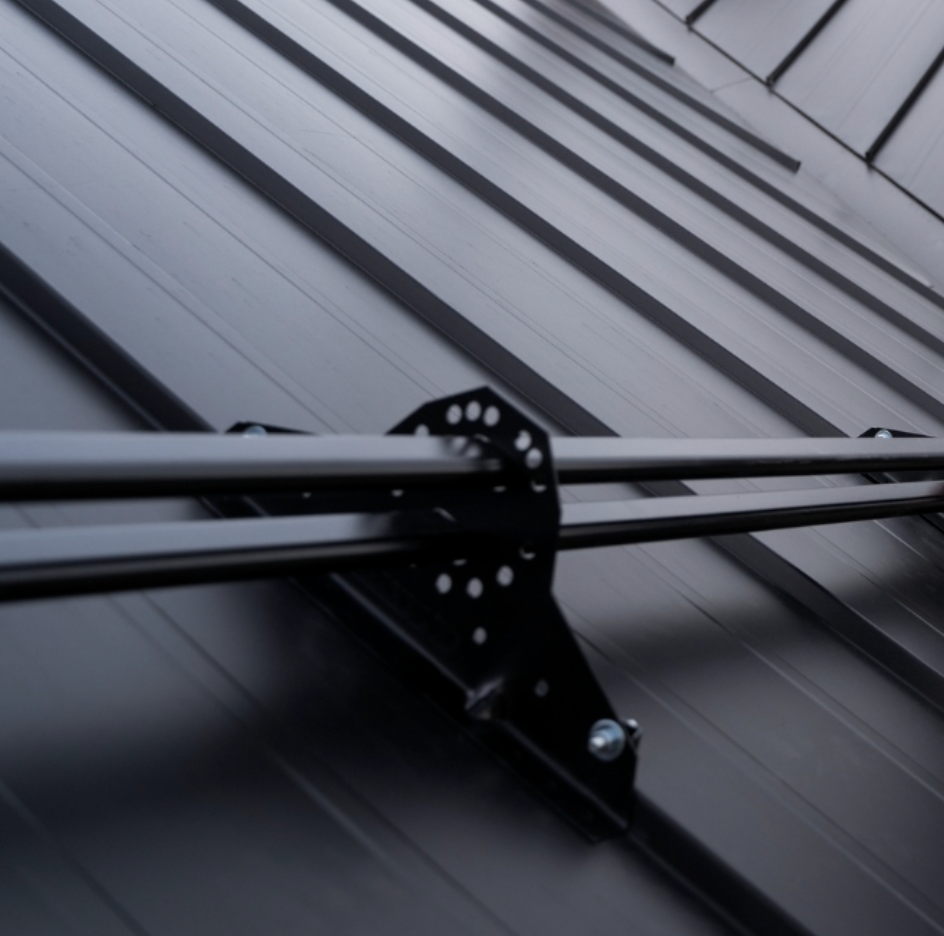
One thing I’d skip: decorative add-ons that don’t address water, heat, or noise. Snow guards are worth it. Specialty paint finishes are worth it. Random trim flourishes aren’t.
A Reality Check About Seattle Weather
Western Washington gets more rain days than rain volume, which means roofs here spend more time wet than roofs almost anywhere else in the country. That single pattern is why so many local homes end up replacing asphalt earlier than expected. The National Weather Service tracks this regional pattern year after year, and the takeaway for homeowners is straightforward: choose a material that handles constant moisture, not just occasional storms. Metal does.
What I’d want you to walk away with is this. Metal roofing isn’t a luxury finish you bolt onto a house for looks. It’s a performance system that solves noise, heat, and moisture in one move, and it usually outlasts the thing it replaced. If your roof is already on its way out, get two or three estimates from contractors who install metal regularly, ask them specifically about decking and ventilation, and don’t let anyone talk you into the cheapest panel just to hit a number.
Your roof is going to get rained on either way. The only question is whether you want to think about it again in 15 years, or whether you want to think about it one more time and then forget it exists.
P.S. Before you zip off to your next Internet pit stop, check out these 2 game changers below - that could dramatically upscale your life.
1. Check Out My Book On Enjoying A Well-Lived Life: It’s called "Your To Die For Life: How to Maximize Joy and Minimize Regret Before Your Time Runs Out." Think of it as your life’s manual to cranking up the volume on joy, meaning, and connection. Learn more here.
2. Life Review Therapy - What if you could get a clear picture of where you are versus where you want to be, and find out exactly why you’re not there yet? That’s what Life Review Therapy is all about.. If you’re serious about transforming your life, let’s talk. Learn more HERE.
Think happier. Think calmer.
Think about subscribing for free weekly tools here.
No SPAM, ever! Read the Privacy Policy for more information.
One last step!
Please go to your inbox and click the confirmation link we just emailed you so you can start to get your free weekly NotSalmon Happiness Tools! Plus, you’ll immediately receive a chunklette of Karen’s bestselling Bounce Back Book!


