
Get A Sneak Peek at my book “Your To-Die-For Life”!
Get a FREE sneak peek! Learn how to use Mortality Awareness as a wake up call to live more boldly.


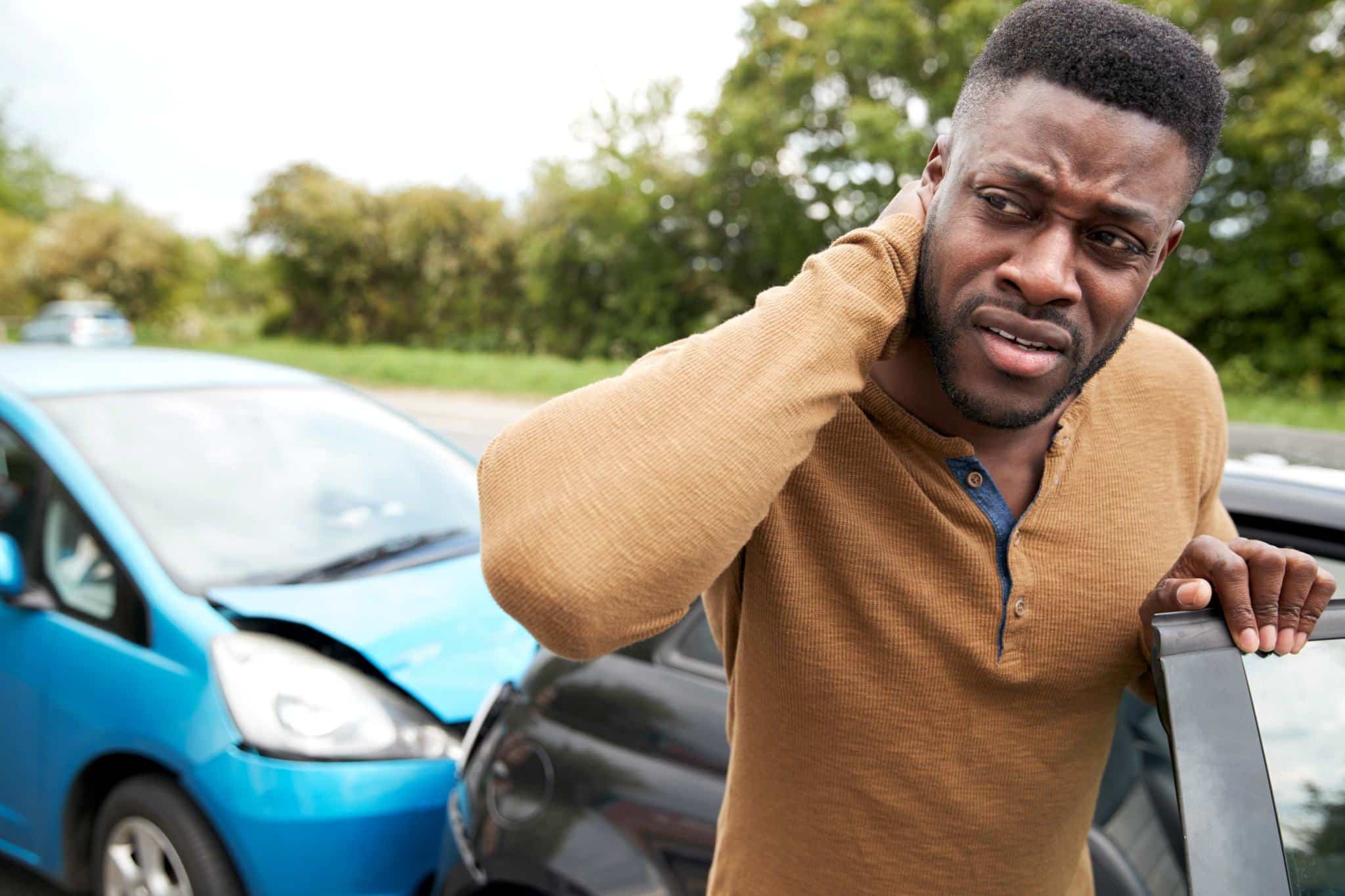 Most conversations about car accidents focus on the physical injuries and the paperwork that follows, medical bills, insurance calls, repair estimates. What gets discussed far less is the emotional aftermath, even though for a lot of people, that’s the part that lingers longest after the physical injuries have healed.
That gap in the conversation shows up constantly among people across Detroit navigating the aftermath of a serious crash, where the emotional toll often goes unacknowledged until it starts affecting daily life in ways that are hard to ignore.
This isn’t a rare or exaggerated reaction. A 2025 systematic review and meta-analysis published on PubMed, reviewing studies on road traffic accident survivors, found a PTSD prevalence of 20.3 percent among people who’d been in a crash, compared to just 3.9 percent in the general population.
That’s more than five times the baseline rate, a real, measurable indication that the psychological impact of a car accident is far more common than most people realize going in.
A lot of survivors describe genuine, physical anxiety the first time they get back in a car, racing heart, tense shoulders, hyperawareness of every nearby vehicle. For some, this fades within weeks. For others, it becomes a lasting source of dread around an activity that used to be completely automatic.
Beyond general anxiety, some people develop a specific avoidance pattern, taking longer routes to sidestep the intersection where the accident happened, or avoiding driving altogether and relying on others for transportation. This kind of avoidance can quietly reshape daily routines in ways that ripple into work, family responsibilities, and independence.
Unwanted, vivid memories of the moments before or during the crash can resurface unexpectedly, sometimes triggered by a loud noise, a similar intersection, or simply being in traffic again. These intrusive memories are one of the hallmark symptoms of PTSD and can feel genuinely disorienting when they occur.
Difficulty falling asleep, staying asleep, or experiencing accident-related nightmares is a common but often overlooked consequence. Poor sleep compounds nearly everything else on this list, making it harder to manage anxiety, process the event emotionally, or simply function well day to day.
Some survivors notice a shorter fuse than usual, snapping at loved ones over minor things. Others describe the opposite, a kind of emotional flatness or detachment that makes it hard to feel present in everyday life. Both are recognized responses to trauma, even though they look very different from the outside.
For some people, the accident’s aftermath settles into a longer-lasting low mood, losing interest in hobbies, social plans, or things that used to bring genuine enjoyment. This can develop gradually, which is part of why it’s often mistaken for simply “still recovering” rather than recognized as its own distinct concern worth addressing.
The combination of anxiety, irritability, and fatigue that often follows a serious accident can put real strain on relationships with partners, family, and friends. Some survivors also withdraw socially, canceling plans or avoiding situations that once felt easy, without fully realizing how much the accident is still shaping their behavior.
Medical bills and lost wages are the easiest costs to put a number on, which is why they often dominate the conversation after a serious accident, but Michigan law recognizes pain and emotional distress as legitimate categories of harm that require their own documentation and advocacy.
That is where Flood Law can help clients working with a car accident lawyer in Detroit, treating the emotional aftermath of a crash as something worth building a real case around rather than an afterthought added to a settlement calculated from receipts alone.
Addressing the emotional side of recovery usually requires more than a legal claim alone. A few things worth considering as part of a fuller recovery plan:
Taking these symptoms seriously early on tends to make the overall recovery process, both emotional and legal, considerably more manageable.
A car accident’s impact rarely stays confined to physical injuries alone, and the emotional aftermath, anxiety, avoidance, sleep disruption, and strained relationships among them, is a well-documented, genuinely common part of recovery. Recognizing these effects for what they are is often the first step toward addressing them properly, both personally and as part of any legal claim.
If you’ve been experiencing any of these signs since your accident, that reaction is valid, and it’s worth taking seriously rather than assuming it will simply resolve on its own.
P.S. Before you zip off to your next Internet pit stop, check out these 2 game changers below - that could dramatically upscale your life.
1. Check Out My Book On Enjoying A Well-Lived Life: It’s called "Your To Die For Life: How to Maximize Joy and Minimize Regret Before Your Time Runs Out." Think of it as your life’s manual to cranking up the volume on joy, meaning, and connection. Learn more here.
2. Life Review Therapy - What if you could get a clear picture of where you are versus where you want to be, and find out exactly why you’re not there yet? That’s what Life Review Therapy is all about.. If you’re serious about transforming your life, let’s talk. Learn more HERE.
Think about subscribing for free weekly tools here.
No SPAM, ever! Read the Privacy Policy for more information.