

Get A Sneak Peek at my book “Your To-Die-For Life”!
Get a FREE sneak peek! Learn how to use Mortality Awareness as a wake up call to live more boldly.


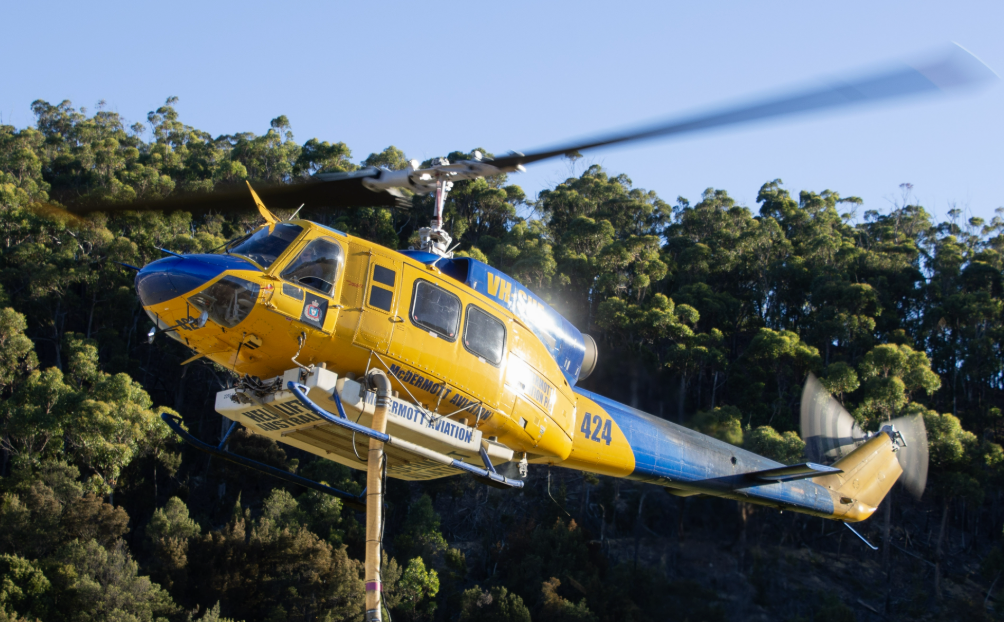 A first helicopter ride can bring a mix of excitement and nerves, especially when the experience feels unfamiliar. The aircraft looks different from a plane, boarding procedures are more specific, and the idea of lifting straight into the air can make even confident travelers wonder what to expect. For people considering Kauai helicopter tours, learning a few practical details before arrival can make the whole experience feel easier. Knowing what to wear, what to bring, how seating works, and what happens during the safety briefing can replace uncertainty with anticipation and help passengers focus on the scenery ahead.
Check-in may include confirming reservations, reviewing identification, verifying passenger information, and sometimes recording individual weights for safe aircraft balance.
That step can surprise first-time passengers, but it is normal aviation planning. Helicopters have specific weight and balance requirements, and operators use this information to assign seats safely.
Arriving a little early can make this stage feel much less rushed. It also gives passengers time to ask questions, settle in, and listen carefully to instructions instead of feeling as though everything is happening at once.
Comfortable clothing can make the flight more enjoyable. Lightweight layers usually work well because temperatures can feel different on the ground, inside the aircraft, and at higher elevations.
Closed-toe shoes are often a sensible choice for boarding and walking around operational areas. Loose hats, scarves, or accessories that could blow away are better left behind unless the operator specifically says they are permitted.
Dark clothing can also help reduce reflections in helicopter windows, which is useful for anyone hoping to take photographs. Small details can make a noticeable difference once the flight begins.
A helicopter cabin has limited space, so bringing less is usually better. Large bags, bulky backpacks, and unnecessary items may need to stay behind depending on the operator’s policy.
Passengers should check in advance what can be carried onboard. A phone, compact camera, prescription medication, and a few essentials may be allowed, but policies vary.
Traveling light also makes boarding easier. There is less to manage while listening to instructions, fastening restraints, and getting comfortable in the seat. When the cabin feels organized, passengers can focus more easily on the flight itself.
The safety briefing is one of the most important parts of the experience, and it is usually straightforward. Staff may explain how to approach the helicopter, where to walk, how to use seat belts, how to wear the headset, and what to do in the unlikely event of an emergency.
First-time passengers sometimes feel tempted to think ahead to takeoff, but listening carefully can actually reduce nerves. Knowing exactly what is expected removes uncertainty.
The briefing also gives passengers a chance to ask practical questions. A good operator wants people to feel informed before boarding, so there is no reason to feel awkward about requesting clarification.
Many people naturally wonder where they will sit, especially if they are hoping for a particular view. In helicopters, seating is often determined by weight and balance rather than personal preference.
That can mean friends or family members are not always seated exactly where expected. It does not necessarily mean someone has a worse experience. Scenic routes are typically designed to give passengers opportunities to see major sights from multiple angles when possible.
Knowing this ahead of time can prevent disappointment at check-in. The seating plan is primarily about safe aircraft operation, and everyone benefits when the helicopter is balanced correctly.
Helicopters are noisy, so passengers usually wear headsets during the flight. These allow them to hear the pilot clearly and, depending on the system, communicate with the pilot or other passengers.
The pilot may provide commentary about landmarks, terrain, weather, or points of interest along the route.
For nervous passengers, hearing a calm, professional voice can be reassuring. It creates a sense of connection and makes the experience feel guided rather than unfamiliar. Knowing that communication remains available throughout the flight can make takeoff feel much more comfortable.
People who have flown on commercial airplanes may expect a helicopter to accelerate down a runway. Instead, the aircraft can lift vertically or transition into forward flight in a way that feels completely different.
That first moment can be surprising, but often feels smoother than imagined. The sensation varies with aircraft type, weather, and flight conditions.
Looking outside at the horizon rather than focusing only on the cabin can help some people feel more settled. Once the helicopter reaches its route and the landscape opens below, nerves often give way to curiosity very quickly.
People who are sensitive to motion may want to prepare before the flight. Eating a light meal, staying hydrated, avoiding excessive alcohol beforehand, and getting enough rest can all help.
Anyone who regularly uses motion sickness medication should follow the advice of their healthcare professional and the directions for that medication.
Looking toward the horizon and keeping visual focus outside the aircraft can also help some passengers. It is worth mentioning concerns to the operator before boarding. Experienced staff are used to working with first-time flyers and may offer practical suggestions based on the aircraft and expected conditions.
Most of the uncertainty around a first helicopter flight comes from simply not knowing how the process works. Once check-in, clothing, baggage rules, seating, headsets, and safety procedures are understood, the experience becomes much easier to picture.
That preparation does not remove the excitement. It makes room for it.
Instead of wondering what happens next, passengers can notice the coastline unfolding below, the shape of the mountains, the movement of clouds, or the changing colors of the landscape. Those are the details people usually remember long after landing.
Feeling nervous before a first flight is entirely normal, but it does not have to define the experience. Arriving prepared, listening to the crew, asking questions when needed, and trusting the safety procedures can make the whole journey feel more manageable. Once the helicopter lifts away from the ground and the view starts widening in every direction, the unfamiliar often turns into one of the most memorable parts of the trip.
P.S. Before you zip off to your next Internet pit stop, check out these 2 game changers below - that could dramatically upscale your life.
1. Check Out My Book On Enjoying A Well-Lived Life: It’s called "Your To Die For Life: How to Maximize Joy and Minimize Regret Before Your Time Runs Out." Think of it as your life’s manual to cranking up the volume on joy, meaning, and connection. Learn more here.
2. Life Review Therapy - What if you could get a clear picture of where you are versus where you want to be, and find out exactly why you’re not there yet? That’s what Life Review Therapy is all about.. If you’re serious about transforming your life, let’s talk. Learn more HERE.
Think about subscribing for free weekly tools here.
No SPAM, ever! Read the Privacy Policy for more information.
