

Get A Sneak Peek at my book “Your To-Die-For Life”!
Get a FREE sneak peek! Learn how to use Mortality Awareness as a wake up call to live more boldly.


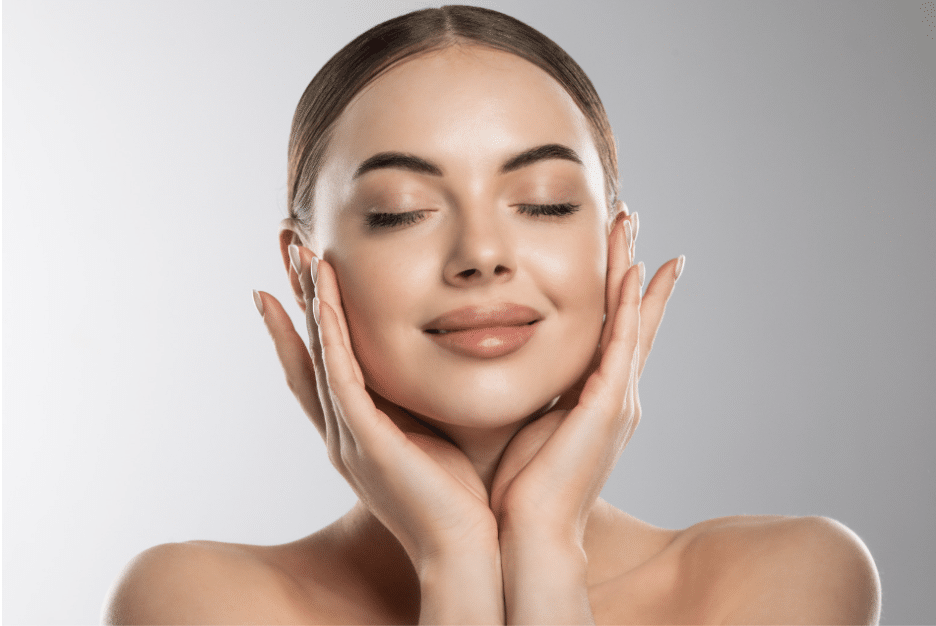 Ask a facial plastic surgeon in Philadelphia what’s changed most about facelifts over the past few years, and the answer usually isn’t a new tool or technique. It’s a shift in what patients are actually asking for. The overdone, wind-tunnel look that once defined the procedure has fallen out of favor entirely, replaced by a much quieter goal: looking like a well-rested version of yourself, not a different person.
Here’s what’s actually driving that shift in facelift trends 2026, and what it means for anyone considering the procedure.
This isn’t just a patient preference shaped by social media. According to Johns Hopkins Medicine, modern facelift techniques are designed to restore a more youthful appearance while preserving natural facial expression and individual features, reflecting a broader move away from overly tight or dramatic results.
That shift matters because it reflects a genuine change in surgical philosophy. Rather than creating a noticeably different appearance, many surgeons now focus on subtle refinements that help patients look refreshed while maintaining the facial characteristics that make them recognizable.
Older facelift approaches often relied heavily on pulling and tightening skin, which is part of why results could look stretched or artificial over time. Modern deep plane techniques instead reposition the deeper facial tissues and support structures, addressing the actual cause of sagging rather than masking it at the surface.
This structural approach tends to age more naturally, since it restores the face’s underlying architecture instead of simply pulling skin tighter over tissue that continues to shift with time.
The difference becomes especially visible years after surgery, since skin-only tightening tends to relapse as gravity continues acting on unsupported tissue, while structural repositioning holds its shape considerably longer.
A notable shift in 2026 is timing. More patients in their 40s and early 50s are opting for facelift surgery before significant laxity develops, rather than waiting until aging is more advanced. This allows for subtler correction and results that read as a refreshed version of the patient rather than a dramatic before-and-after.
By focusing on timely, thoughtful intervention, patients are increasingly prioritizing results that enhance their appearance while preserving their individuality.
Facelift techniques in 2026 are increasingly tailored to each patient’s specific anatomy, aging pattern, and goals, rather than applying the same standard procedure to every patient regardless of their unique facial structure. This might mean lifting certain areas while deliberately preserving others, combining surgical tightening with volume restoration for a more balanced, proportional result.
This philosophy is central to how facelift in Philadelphia procedures are increasingly approached by surgeons who specialize in highly customized, natural-looking outcomes rather than a standardized surgical template. W Cosmetic Surgery has built its reputation specifically around this individualized approach, crafting a distinct surgical plan for each patient’s facial structure so the result reflects their own features rather than a generic outcome.
Rapid recovery protocols, often modeled on Enhanced Recovery After Surgery guidelines used in other surgical fields, are increasingly standard in facial plastic surgery. These evidence-based strategies are designed to reduce post-operative discomfort, minimize swelling, and shorten the overall recovery timeline.
For patients, this has translated into a genuinely different experience than facelifts performed even a decade ago, with less downtime and a faster return to normal activity.
Rather than treating the face as a series of isolated concerns, more patients are combining a facelift with complementary procedures, such as eyelid surgery or a neck lift, in a single surgical session. This comprehensive approach tends to produce a more cohesive, balanced result than addressing one area and leaving adjacent areas untouched.
It also consolidates recovery into a single period rather than spreading downtime across multiple separate procedures scheduled months apart, which many patients find considerably more practical to plan around.
A few key questions help clarify whether a facelift, and which approach, is the right fit:
● Does the surgeon specialize in deep plane or structural techniques, or primarily skin-tightening approaches?
● What realistic timeline and recovery plan fits your specific lifestyle and job demands?
● Would combining procedures, like a neck lift or eyelid surgery, produce a more balanced overall result?
● How does the surgeon plan to address skin quality separately from structural correction?
Discussing these factors openly can help you make a more informed decision and choose an approach that delivers natural-looking results while matching your expectations and lifestyle.
The facelift of 2026 looks nothing like the overdone, obviously-surgical results people once associated with the procedure. Between deep plane techniques, earlier and smaller interventions, and highly customized surgical planning, the entire goal has shifted toward results that simply look like a well-rested, more confident version of the patient.
For anyone considering the procedure, that shift is good news: natural, believable results are no longer the exception, they’ve become the explicit standard the industry is building toward.
P.S. Before you zip off to your next Internet pit stop, check out these 2 game changers below - that could dramatically upscale your life.
1. Check Out My Book On Enjoying A Well-Lived Life: It’s called "Your To Die For Life: How to Maximize Joy and Minimize Regret Before Your Time Runs Out." Think of it as your life’s manual to cranking up the volume on joy, meaning, and connection. Learn more here.
2. Life Review Therapy - What if you could get a clear picture of where you are versus where you want to be, and find out exactly why you’re not there yet? That’s what Life Review Therapy is all about.. If you’re serious about transforming your life, let’s talk. Learn more HERE.
Think about subscribing for free weekly tools here.
No SPAM, ever! Read the Privacy Policy for more information.
