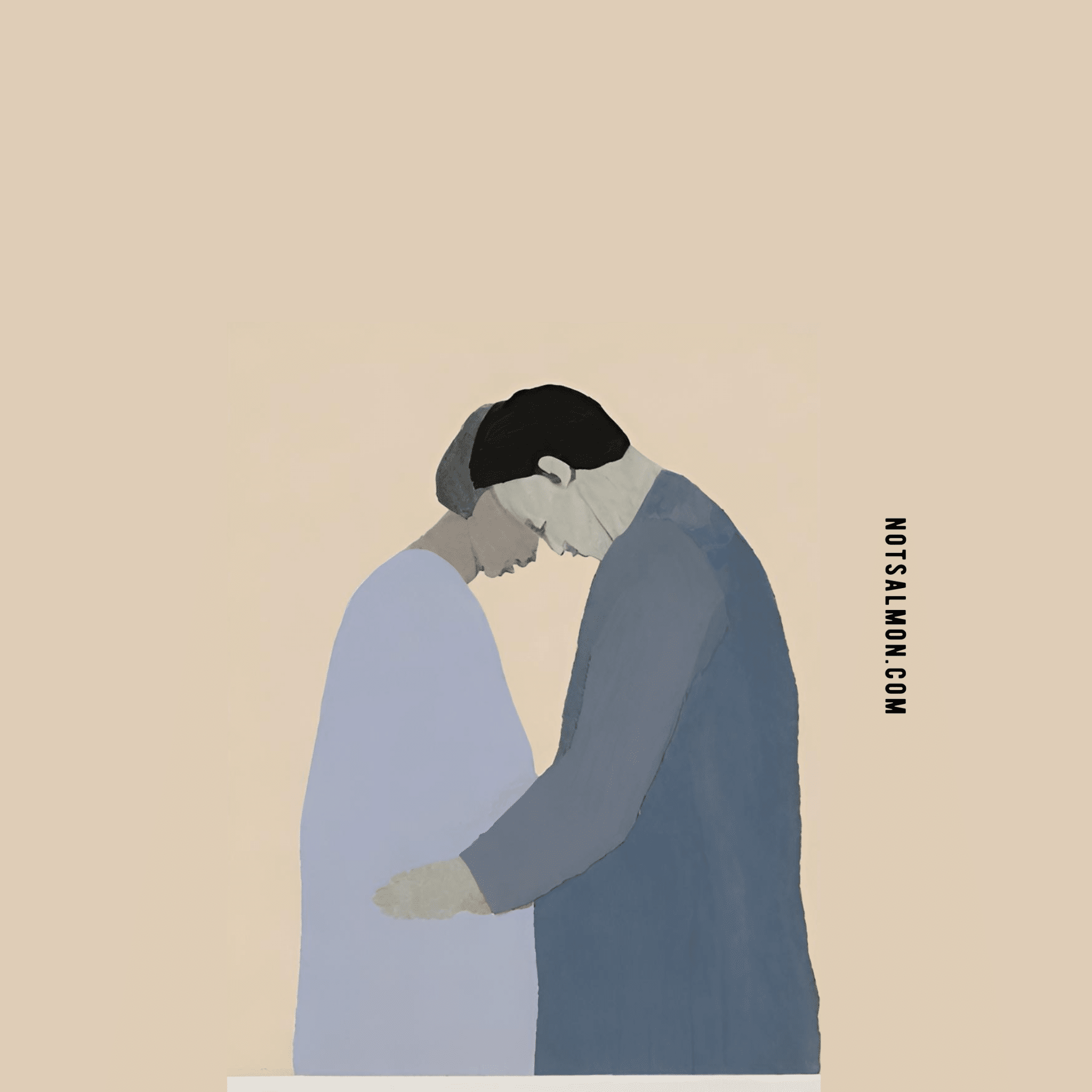
 A fatal accident lawsuit asks a family to translate a deeply personal loss into evidence a civil court can evaluate. In North Carolina, that can be especially difficult because relatives may still be dealing with funeral arrangements, estate questions, and sudden financial pressure while the legal claim begins to take shape. The case cannot rest on grief alone, even when the loss is devastating. It has to show why the death is legally connected to another person’s conduct.
That distinction is often hard for families to see in the early days after the loss.
A fatal accident attorney in North Carolina may be involved when the family needs to understand how a civil claim turns the circumstances of death into a legally supported case for accountability. The focus is not only on what happened but also on whether the available proof can meet the standard a court will require.
A Valid Legal Claim
Before a lawsuit can move, counsel must confirm who has legal authority to act for the estate and surviving relatives. In North Carolina, that early review often leads families to a fatal accident attorney for guidance on filing rights, deadlines, and recoverable losses. Those issues matter because a strong liability record means little if the wrong party sues or the statutory window closes.
Duty of Care
Every civil death case begins with duty. The attorney must identify a legal obligation owed to the person who died. Motorists must drive with reasonable caution. Landowners must correct known hazards or warn visitors. Employers must address unsafe practices. Physicians must meet accepted clinical standards. Without that threshold duty, a court has no rule against which conduct can be judged.
Breach of Duty
After duty is established, the next issue is breach. Counsel must show conduct that fell below the required standard. That proof may involve speeding, impairment, missed inspections, poor supervision, unsafe storage, or ignored complaints. Objective material carries special weight here. Video, phone data, maintenance files, and internal messages can reveal what happened without depending on memory alone.
Causation Must Be Clear
Fault does not end the inquiry. The evidence must link the wrongful act to the death with enough clarity for a judge or jury. Defense lawyers often point to prior illness, later events, or another actor. Medical records, autopsy findings, and reconstruction analysis help sort those issues. The essential question stays narrow: would the death have happened absent the defendant’s conduct?
Damages Need Specific Proof
A viable claim also requires proof of loss. Courts expect concrete support for funeral costs, final medical bills, lost income, and household services the deceased would have provided. Some jurisdictions permit recovery for companionship, guidance, and care. Those items still need a factual foundation. Tax returns, invoices, employment history, and family testimony help turn personal loss into a legally recognized measure of damages.
Negligence Per Se Can Help
Certain cases gain force when the defendant violates a safety statute. That rule can supply a ready standard for careless conduct, which saves time on one part of the liability analysis. Even so, the attorney still must prove causation and damages. A statutory violation strengthens the theory, yet it does not finish the case by itself.
Common Examples
Common examples include running a red light, exceeding trucking hour limits, or selling equipment that failed basic safety rules. In those matters, the broken statute helps define the wrongful act. The plaintiff still needs evidence that ties the violation to the fatal event. Courts want more than a technical breach. They want proof that the breach produced real, compensable harm.
Evidence Must Be Preserved Fast
Time can erode a death case with startling speed. Skid marks fade, vehicles are repaired, surveillance footage is deleted, and witness recall weakens. Early preservation letters can prevent avoidable loss. Lawyers often seek black box downloads, scene images, toxicology reports, dispatch recordings, and maintenance logs within days. Quick action protects facts before insurers build a defense around gaps in the record.
Experts Often Carry the Hardest Points
Expert testimony often carries the heaviest load in fatal accident litigation. Reconstruction specialists explain movement, speed, and impact angles. Treating physicians or forensic pathologists address the mechanism of death and timing. Economists project earnings, benefits, and household contributions over time. Safety professionals discuss accepted practices within a trade. Good experts do more than sound qualified. They make technical evidence understandable without stretching the facts.
Defense Arguments Must Be Answered
Defendants rarely accept full responsibility at the start. They may argue shared fault, a sudden emergency, product misuse, or an unrelated medical cause. Effective attorneys test those claims early against the record. That process can expose weak assumptions before they harden into a trial theme. A stronger case emerges when attorneys answer opposing theories with documents, testimony, and physical evidence.
Conclusion
Fatal accident lawsuits require a clear showing of duty, breach, causation, and damages, backed by reliable evidence from the first week forward. Families often see loss in human terms, while courts translate that loss through records, testimony, and expert opinion. Effective counsel bridges those two views. When the proof is organized, preserved, and medically or financially supported, a civil claim has a fair chance to produce accountability and compensation.
P.S. Before you zip off to your next Internet pit stop, check out these 2 game changers below - that could dramatically upscale your life.
1. Check Out My Book On Enjoying A Well-Lived Life: It’s called "Your To Die For Life: How to Maximize Joy and Minimize Regret Before Your Time Runs Out." Think of it as your life’s manual to cranking up the volume on joy, meaning, and connection. Learn more here.
2. Life Review Therapy - What if you could get a clear picture of where you are versus where you want to be, and find out exactly why you’re not there yet? That’s what Life Review Therapy is all about.. If you’re serious about transforming your life, let’s talk. Learn more HERE.
Think happier. Think calmer.
Think about subscribing for free weekly tools here.
No SPAM, ever! Read the Privacy Policy for more information.
One last step!
Please go to your inbox and click the confirmation link we just emailed you so you can start to get your free weekly NotSalmon Happiness Tools! Plus, you’ll immediately receive a chunklette of Karen’s bestselling Bounce Back Book!


