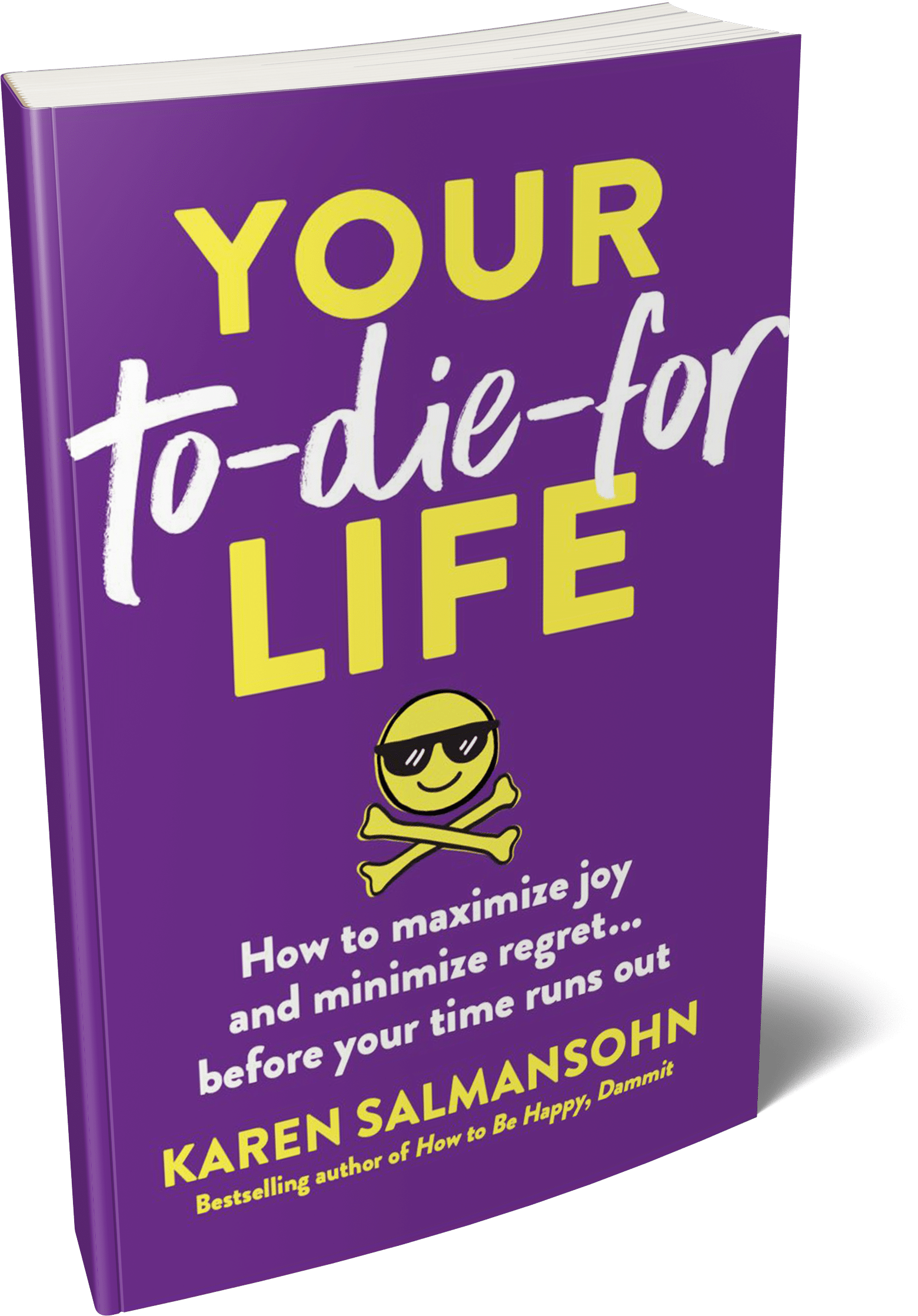

Get A Sneak Peek at my book “Your To-Die-For Life”!
Get a FREE sneak peek! Learn how to use Mortality Awareness as a wake up call to live more boldly.


 Most people hear “boundaries” and picture conflict. A hard no. A slammed door. But emotional boundaries are something far quieter — and far more powerful. They are the internal lines that define where you end and someone else begins. They determine what you accept, what you refuse, and how much of yourself you give away before you stop to ask whether you had anything left to give.
Setting emotional boundaries is not a personality trait. It’s a skill. And like any skill, it can be learned, practiced, and strengthened over time.
Here’s the truth most people don’t want to admit: if you never say no, your yes means nothing.
People without clear emotional limits tend to absorb the moods, stress, and expectations of everyone around them. They overcommit. They over-explain. They apologize for things that aren’t their fault. Over time, this creates a slow, grinding kind of exhaustion that looks nothing like burnout but feels exactly like it.
Research backs this up. A 2021 study published in the Journal of Occupational Health Psychology found that employees with poor personal boundaries reported significantly higher levels of emotional exhaustion and job dissatisfaction than those who maintained clear limits. The link between boundary-setting and stress management is direct — and measurable.
Resilience isn’t about being tough. It’s about recovering. And you cannot recover from something you’re still in the middle of.
When you build consistent, healthy emotional habits — including enforcing what you will and won’t accept — you create something psychologists call “psychological distance.” This is your ability to step back from a difficult situation without being consumed by it. Boundaries make that distance possible.
“You are not responsible for other people’s emotions. You are responsible for your own actions.”
That line is simple. It also fundamentally changes how most people relate to others once they actually internalize it.
Boundaries protect your internal resources. Attention, energy, emotional bandwidth — these are finite. Every time you absorb someone else’s crisis without permission, you spend some of yours. People with strong emotional resilience are not people who never face difficulty. They’re people who’ve stopped spending themselves unnecessarily.
There’s a phrase that surfaces in almost every conversation about personal growth: self-respect. It gets used a lot. It rarely gets explained.
Self-respect is not self-confidence. You can feel confident and still let people walk over you. Self-respect is the decision — sometimes daily, sometimes hourly — to treat your own time, energy, and dignity as worth protecting.
When you consistently override your own discomfort to keep other people comfortable, a message gets sent. Not to them. To you. Your brain registers the pattern: your feelings are less important. Repeat that pattern long enough and it becomes a belief.
Emotional boundaries interrupt this cycle. They force a moment of self-awareness — a pause where you ask: does this serve me? Is this okay? Do I actually want this, or am I just afraid of what happens if I say no?
We talk about personal development almost exclusively in physical and relational terms. But the modern self exists online too — often more than anywhere else. And the stressors that erode mental well-being don’t stay offline.
Data tracking, behavioral profiling, targeted advertising, and constant connectivity create a specific kind of low-grade digital anxiety. It’s ambient. You stop noticing it the way you stop noticing background noise — until it’s gone. Using reliable VPN providers is one practical step in reclaiming that sense of control. A VPN limits the amount of data third parties can collect about your behavior, which is a surprisingly meaningful form of digital boundary-setting. It won’t solve loneliness. But it does reduce one layer of invisible intrusion that contributes to baseline stress.
This is where most people get stuck. They fear that setting emotional limits will push people away. Sometimes it does. But those are usually the people who benefited most from your lack of them.
Healthy relationships don’t just survive honest communication — they depend on it. Partners, friends, and family members who respect you will adjust when you express your needs clearly. Those who don’t? That reaction is also information.
Here’s what boundary-setting in relationships looks like in practice:
The idea of overhauling how you relate to everyone in your life is overwhelming. Nobody does it that way. Instead, consider starting with the smallest, least threatening change:
Practice saying “let me think about that” before you agree to anything. That one phrase creates space — between the request and your response — where a real decision can happen.
From there, identify one relationship where you consistently feel drained. Notice, specifically, what tends to happen before that feeling sets in. That pattern is the boundary that’s missing.
This applies to different areas of life. For digital life, tools like VeePN offer an easy first step toward online privacy. Protecting your data in the background while you focus on the harder work of protecting your energy in real life.
Chronic stress — the persistent, ongoing kind — is one of the most documented contributors to poor psychological well-being. The American Psychological Association has reported year over year that interpersonal relationships remain among the top sources of stress for adults in the United States. Poor boundaries in those relationships mean the stress doesn’t get to leave. It accumulates.
Emotional intelligence, in clinical terms, includes the ability to recognize, understand, and manage not just your emotions but their sources. Learning to identify which situations drain you — and which people — is foundational to that skill. Without it, stress management strategies like meditation, journaling, or exercise are treating symptoms while the cause keeps running.
Boundaries aren’t a supplement to mental health habits. They’re structural.
The final thing worth saying: life balance is not a state you achieve and then maintain effortlessly. It is something you return to, again and again, after being pulled away from it. Boundaries are the mechanism for returning.
People who invest in personal growth — real growth, not just self-help aesthetics — tend to report better relationships, more stable moods, and a deeper sense of purpose over time. That’s not a coincidence. It’s structure. When you decide what matters to you and defend that decision consistently, everything else begins to organize around it.
Emotional boundaries are not walls. They are the shape of who you are.
P.S. Before you zip off to your next Internet pit stop, check out these 2 game changers below - that could dramatically upscale your life.
1. Check Out My Book On Enjoying A Well-Lived Life: It’s called "Your To Die For Life: How to Maximize Joy and Minimize Regret Before Your Time Runs Out." Think of it as your life’s manual to cranking up the volume on joy, meaning, and connection. Learn more here.
2. Life Review Therapy - What if you could get a clear picture of where you are versus where you want to be, and find out exactly why you’re not there yet? That’s what Life Review Therapy is all about.. If you’re serious about transforming your life, let’s talk. Learn more HERE.
Think about subscribing for free weekly tools here.
No SPAM, ever! Read the Privacy Policy for more information.
