 Managing your finances has never been more important—or more accessible—than it is today. With rising living costs, complex investment options, and the constant flow of financial information, it can feel overwhelming to keep your money in check.
Fortunately, modern tools and technology offer practical solutions that make budgeting, saving, and investing more straightforward than ever before. This guide will walk you through actionable strategies to take control of your finances using the tools available today.
Understanding Your Financial Situation
The first step to managing your finances effectively is knowing exactly where you stand. This means taking a comprehensive look at your income, expenses, debts, and assets. Many people overlook small recurring costs—subscription services, minor fees, or daily expenses—that add up over time. These small leaks in your budget can prevent you from reaching your financial goals.
Modern financial tools can simplify this process. Budgeting apps allow you to link bank accounts, track spending, and categorize expenses automatically. Some apps even provide alerts when you’re approaching your budget limit, making it easier to prevent overspending. By visualizing your money flow, you can identify areas to cut costs and opportunities to save or invest.
Understanding your financial situation isn’t just about numbers; it’s about context. For instance, The Balance provides reliable, expert-backed guidance on managing debt, improving credit scores, and creating realistic savings goals. Incorporating this kind of expert advice into your planning ensures your decisions are informed and practical.
Creating a Realistic Budget
A budget is the foundation of financial management. Yet, many people fail because they set unrealistic budgets that are impossible to maintain. The key is creating a budget that balances your current lifestyle with your future goals. Start by separating essential expenses, such as rent, utilities, and groceries, from discretionary spending, like dining out or entertainment. Then, allocate a portion of your income to savings and investments.
Modern budgeting tools make this easier. Many apps use AI to analyze your spending habits and recommend a budget tailored to your needs. Others let you set savings goals for specific purposes, such as a vacation or emergency fund, and track progress automatically. A well-structured budget doesn’t restrict you—it empowers you to make intentional choices with your money.
Consistency is more important than perfection. Revisit your budget monthly and adjust it as your circumstances change. Over time, you’ll notice patterns and become more adept at managing your income and expenses without stress.
Automating Your Savings and Investments
Automation is one of the most powerful tools in modern finance. By setting up automatic transfers to savings accounts or investment platforms, you remove the temptation to spend money impulsively. Automatic contributions ensure that saving and investing become habits rather than afterthoughts.
Investment tools today offer incredible convenience. Robo-advisors, for example, can create diversified portfolios tailored to your risk tolerance and financial goals. You can also easily open a brokerage account online to begin investing in stocks, ETFs, or other assets without visiting a physical branch. Automation reduces friction, making it simple to grow your wealth steadily over time.
It’s worth noting that while automation helps, it’s not a substitute for understanding where your money is going. Review your investments periodically to ensure your portfolio aligns with your evolving goals. Tools that combine automation with educational resources allow you to make smarter decisions without spending hours researching.
Leveraging Financial Analytics
Financial analytics tools go beyond simple budgeting. They can provide deep insights into your spending patterns, debt management, and investment performance. For example, some apps track net worth over time, showing how your assets and liabilities evolve. Others analyze subscription services and recurring charges to identify opportunities for savings.
Understanding analytics allows you to make informed decisions rather than reactive ones. If a particular expense category is growing faster than expected, you can adjust your habits. Similarly, analytics can highlight which investments are underperforming and may need attention. By leveraging these tools, you gain clarity and confidence in your financial decisions.
Staying Informed with Reliable Resources
Financial literacy is an ongoing process. Even with the best tools, staying informed about new opportunities, regulations, and strategies is essential. Authoritative websites, financial news outlets, and online courses provide credible information that can help you avoid mistakes and seize opportunities. For example, consulting resources like NerdWallet can guide you on credit cards, loans, and investment strategies, providing context that automated tools alone cannot offer.
Integrating information from trusted sources with practical tools ensures that your financial strategy remains dynamic and informed. Financial landscapes change rapidly, and staying ahead of trends can prevent costly missteps.
Security and Privacy Considerations
Using digital tools for finance comes with responsibilities. Ensure that any app or platform you use employs robust security measures, such as two-factor authentication, encryption, and strong privacy policies. Always verify that the company is reputable and that your financial data is protected.
Regularly updating passwords and monitoring accounts for unusual activity adds another layer of protection. By combining secure tools with diligent habits, you can take full advantage of modern financial technologies without unnecessary risk.
Building Long-Term Financial Habits
Ultimately, the goal of using modern financial tools is to develop sustainable habits that support long-term wealth. Tools can guide you, automate tasks, and provide insights—but they are most effective when paired with consistent behaviors. Pay yourself first, avoid unnecessary debt, and revisit your financial plan periodically.
Long-term habits also include investing in yourself through continued education, career growth, and understanding emerging technologies in finance. Over time, these habits compound, leading to financial stability and greater freedom.
Conclusion
Successfully managing your finances today is less about luck and more about strategy. By understanding your financial situation, creating a realistic budget, automating savings and investments, leveraging analytics, staying informed, and prioritizing security, you can take control of your money with confidence. Modern tools make the process efficient, accurate, and adaptable to your lifestyle. With consistent effort and smart use of these resources, achieving financial stability and growth is not just possible—it’s within reach.
P.S. Before you zip off to your next Internet pit stop, check out these 2 game changers below - that could dramatically upscale your life.
1. Check Out My Book On Enjoying A Well-Lived Life: It’s called "Your To Die For Life: How to Maximize Joy and Minimize Regret Before Your Time Runs Out." Think of it as your life’s manual to cranking up the volume on joy, meaning, and connection. Learn more here.
2. Life Review Therapy - What if you could get a clear picture of where you are versus where you want to be, and find out exactly why you’re not there yet? That’s what Life Review Therapy is all about.. If you’re serious about transforming your life, let’s talk. Learn more HERE.
Think happier. Think calmer.
Think about subscribing for free weekly tools here.
No SPAM, ever! Read the Privacy Policy for more information.
One last step!
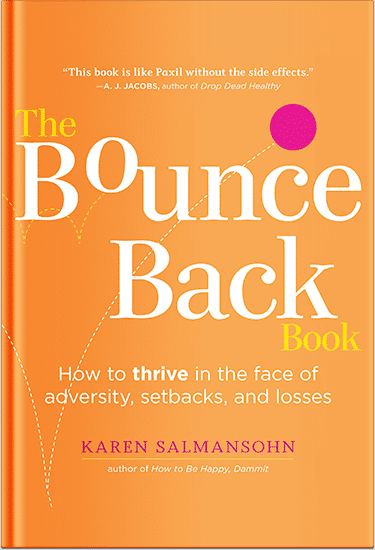
Please go to your inbox and click the confirmation link we just emailed you so you can start to get your free weekly NotSalmon Happiness Tools! Plus, you’ll immediately receive a chunklette of Karen’s bestselling Bounce Back Book!