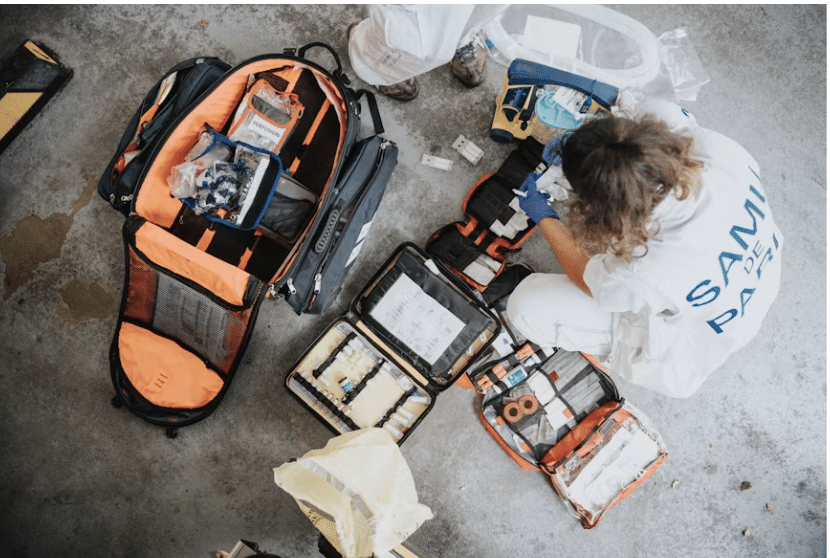
 We spend so much energy trying to guess what will happen next. We check the weather app before a weekend trip, listen to experts talk about the economy, and imagine a dozen “what if” scenarios before a big conversation. This constant guessing might feel productive, but it often causes more anxiety than peace of mind. The truth is, we can’t control outcomes, but we can definitely control how we get ready for them.
When you focus on preparing instead of predicting, you switch from just worrying to actively solving problems. It’s about building a strong base that can handle whatever comes your way, rather than trying to guess the exact shape and size of the storm.
The Futility of Predicting the Future
Think about how much brainpower goes into trying to figure out what’s next. We want to be sure our vacation will be sunny or that a new business will do well. But life is just unpredictable. As one writer on the topic of prediction versus preparation points out, focusing on what you can control is a much better way to find long-term success and peace of mind.
Trying to be a fortune-teller is tiring. If your plans rely on just one predicted outcome, you’ll be in a panic when things inevitably go wrong. A better way is to accept that things are uncertain and make a plan that’s flexible and strong.
Build a Foundation, Not a Forecast
Instead of just hoping for the best, get ready for many different possibilities. Project managers and event planners use this idea every day. They don’t just hope for a mild winter during a construction project; they make a strong plan that includes the chance of cold weather. This might mean having backup power or access to temporary heating solutions, such as flameless heaters, helping work continue safely and reducing the risk of costly delays when temperatures drop.
You can use this same idea in your own life. Don’t just hope your car won’t break down; have roadside assistance and a small emergency fund for repairs. Don’t just hope you’ll feel like cooking; spend an hour on Sunday getting some ingredients ready for the week. This is about setting up systems that support you, no matter what the daily forecast says.
Applying Preparation to Your Finances
Nowhere is getting ready more valuable than with your money. Many people try to “time the market,” buying and selling based on what they think will happen next. This usually doesn’t work out. A more reliable way to be financially secure is to prepare.
This means building a solid financial base. The classic budget versus forecast debate in business shows this well; a budget is a plan you control, while a forecast is just a guess. In your own life, this means:
- Making a realistic budget
- Building an emergency fund that covers 3-6 months of expenses
- Automatically saving and investing your money
- Spreading out your investments so you don’t rely on just one thing
These actions create a financial cushion that can handle unexpected problems, like losing a job or a medical bill, without messing up your whole life.
How Preparation Calms the Mind
Being prepared has huge psychological benefits. When you have a plan, you go from feeling anxious to feeling like you can act. You’re no longer a victim of what happens, but an active part of your own life. This feeling of control is a strong way to fight the helplessness that uncertainty can bring.
Knowing you have a spare tire, a full pantry, or some savings doesn’t mean you expect bad things to happen. It means you trust yourself to handle them if they do. This self-trust is the base of being resilient and emotionally well. It frees up your mental energy to focus on what really matters, instead of wasting it on endless worrying.
Small Steps to a More Prepared Life
Becoming a more prepared person doesn’t mean completely changing your life. It starts with small, intentional actions. Here are a few ideas to get you going:
- The 10-Minute Tidy: Before bed, spend just ten minutes putting things away. You’ll wake up to a calmer, more organized space.
- Pack Your Bag the Night Before: Lay out your clothes, pack your lunch, and get your work bag ready. Your future self will thank you.
- Create a “Go-To” Meal: Always have the ingredients for one simple, healthy meal on hand for those nights you’re too tired to think.
- Automate One Bill: Set up automatic payments for one regular bill. That’s one less thing to remember each month.
Each small step you take builds momentum and helps you get into the habit of thinking ahead. Instead of always reacting to life, you can start responding to it with confidence and calm.
P.S. Before you zip off to your next Internet pit stop, check out these 2 game changers below - that could dramatically upscale your life.
1. Check Out My Book On Enjoying A Well-Lived Life: It’s called "Your To Die For Life: How to Maximize Joy and Minimize Regret Before Your Time Runs Out." Think of it as your life’s manual to cranking up the volume on joy, meaning, and connection. Learn more here.
2. Life Review Therapy - What if you could get a clear picture of where you are versus where you want to be, and find out exactly why you’re not there yet? That’s what Life Review Therapy is all about.. If you’re serious about transforming your life, let’s talk. Learn more HERE.
Think happier. Think calmer.
Think about subscribing for free weekly tools here.
No SPAM, ever! Read the Privacy Policy for more information.
One last step!
Please go to your inbox and click the confirmation link we just emailed you so you can start to get your free weekly NotSalmon Happiness Tools! Plus, you’ll immediately receive a chunklette of Karen’s bestselling Bounce Back Book!


