 Summer holds a unique place in a child’s life. It is one of the few times in the year when routines loosen, schedules shift, and the pressure of academics fades into the background. For many families, it is seen as a chance to relax and recharge.
But summer is more than a break. It is a window.
During these months, children have the opportunity to grow in ways that are often harder to support during the structured school year. Without the constant focus on grades and performance, kids can explore, move, interact, and develop skills that shape who they become over time.
The challenge is that growth during summer does not happen automatically anymore. With increased screen time, fewer neighborhood play opportunities, and busier family schedules, children are less likely to stumble into meaningful experiences on their own.
That is why intentional summer experiences have become more important than ever. When done right, they do more than fill time. They build confidence, independence, and social awareness in ways that last long after summer ends.
Why Summer Is a Critical Window for Child Development
The school year provides structure, but it also limits flexibility. Summer offers the opposite. It creates space for different kinds of growth that are just as important as academic progress.
During this time, children can focus on areas that are often underdeveloped in traditional environments.
Key areas of development during summer include:
- Physical growth and coordination through active play
- Social interaction with new peers and group settings
- Emotional resilience through challenges and new experiences
- Independence through decision-making and responsibility
Without opportunities to engage in these areas, children may experience a kind of developmental slowdown. This is not always obvious right away, but it becomes more noticeable over time.
A child who spends months in passive activities may return to structured environments less confident, less active, and less socially engaged. On the other hand, a child who participates in dynamic, engaging experiences continues building momentum.
Summer is not just a pause. It is a chance to move forward in a different way.
Confidence Is Built Through Experience, Not Instruction
Confidence is often misunderstood as something that can be taught through encouragement alone. While support matters, real confidence comes from experience.
Children build confidence when they try something unfamiliar, face a challenge, and realize they can handle it.
This process happens naturally in environments that encourage participation and exploration.
Examples of confidence-building experiences include:
- Learning a new physical skill such as climbing, swimming, or balancing
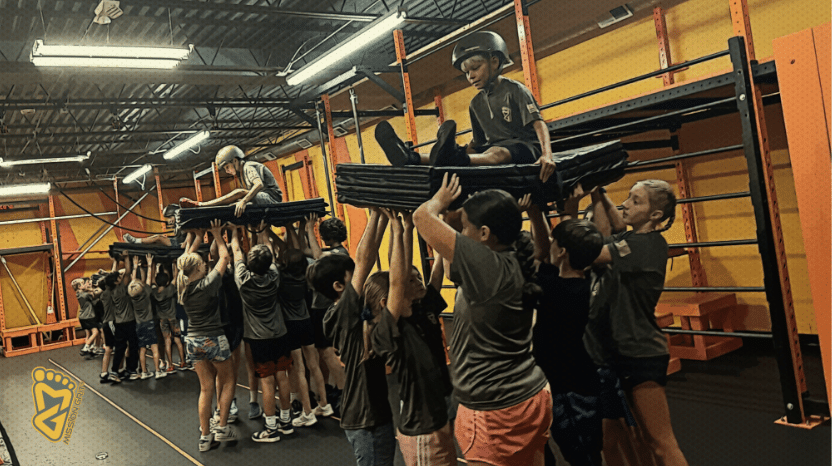
- Participating in team-based activities that require cooperation
- Attempting something difficult and improving over time
- Navigating small failures and trying again
Each of these moments reinforces a simple but powerful idea. “I can do this.”
That belief carries into other areas of life. A child who gains confidence in one setting is more likely to take initiative in another. They become more willing to speak up, try new things, and engage with the world around them.
Confidence is not built in isolation. It is built through doing.
The Role of Social Environments in Growth
Children learn a great deal from adults, but they often learn even more from each other. Social environments play a critical role in shaping behavior, communication, and emotional awareness.
When kids are placed in group settings outside of their usual circles, they are exposed to new personalities, perspectives, and ways of interacting.
This exposure helps develop essential life skills.
Important social benefits include:
- Learning to Collaborate
Working with others toward a shared goal builds teamwork and patience.
- Handling Conflict in Healthy Ways
Disagreements are inevitable, and learning to navigate them constructively is a valuable skill.
- Building New Friendships
Meeting new people expands a child’s social confidence and adaptability.
- Developing Empathy
Understanding different viewpoints helps children become more aware and considerate.
These experiences cannot be replicated through solo activities or passive entertainment. They require interaction, communication, and shared experiences.
Strong social skills developed during childhood often translate into better relationships, improved academic performance, and greater confidence in adulthood.
Why Independence Matters More Than Ever
Many children today have highly structured lives during the school year. Their time is planned, their activities are directed, and their responsibilities are clearly defined.
While this structure has benefits, it can limit opportunities for independent thinking and decision-making.
Summer provides a chance to rebalance that dynamic.
In well-designed environments, children are given the opportunity to take ownership of their experience. This does not mean complete freedom without guidance. It means having space to make choices within a supportive framework.
Ways children build independence include:
- Choosing which activities to participate in
- Managing their time within a set schedule
- Taking responsibility for completing tasks
- Navigating new situations without constant direction
These moments may seem small, but they are significant. Each decision a child makes builds their sense of capability.
Independence is closely tied to confidence. When children feel capable of making decisions and handling situations, they begin to trust themselves more.
That trust becomes the foundation for future growth.
What to Look for When Choosing the Right Experience
With so many options available, it can be difficult for parents to determine which experiences will truly benefit their child. Not all programs offer the same level of quality or intentionality.
The key is to look beyond surface-level features and focus on what actually drives development.
Important factors to consider include:
- Qualified Leadership
Instructors and coaches should be experienced, engaged, and capable of guiding children effectively.
- Balance of Structure and Fun
Activities should be enjoyable while still providing opportunities for growth and learning.
- Age-Appropriate Programming
Content should match the developmental stage of the participants.
- Positive and Inclusive Culture
Children should feel supported and encouraged, regardless of their skill level.
For families exploring local opportunities, resources like Charlotte Summer Camps can provide a helpful starting point for identifying programs that align with these priorities.
Choosing the right environment is not about finding the most popular option. It is about finding the one that supports your child’s growth in meaningful ways.
The Long-Term Impact of Meaningful Summers
The experiences children have during summer do not stay confined to those months. They influence how kids approach challenges, relationships, and activities throughout the year.
A child who spends their summer actively engaged tends to carry that energy forward. They return to school more confident, more socially comfortable, and more willing to participate.
Over time, these patterns become habits.
Long-term benefits of meaningful summer experiences include:
- A stronger relationship with physical activity
- Improved social confidence and communication skills
- Greater willingness to try new things
- Increased resilience in the face of challenges
These outcomes are not the result of any single activity. They come from consistent exposure to environments that encourage growth.
The earlier these experiences begin, the more impact they tend to have.
Conclusion
Summer is often viewed as a break from responsibility, but for children, it is an opportunity to develop in ways that matter deeply over time.
The experiences kids have during these months shape how they see themselves, how they interact with others, and how they approach new challenges. Without intentional opportunities for growth, that time can easily be lost to passive habits.
Parents do not need to create perfect schedules or fill every hour. What matters is providing access to environments that encourage movement, connection, and exploration.
When children are given the chance to engage in meaningful experiences, they do more than stay occupied. They grow into more confident, capable, and socially aware individuals.
Summer is not just time off. It is time that can move a child forward.
P.S. Before you zip off to your next Internet pit stop, check out these 2 game changers below - that could dramatically upscale your life.
1. Check Out My Book On Enjoying A Well-Lived Life: It’s called "Your To Die For Life: How to Maximize Joy and Minimize Regret Before Your Time Runs Out." Think of it as your life’s manual to cranking up the volume on joy, meaning, and connection. Learn more here.
2. Life Review Therapy - What if you could get a clear picture of where you are versus where you want to be, and find out exactly why you’re not there yet? That’s what Life Review Therapy is all about.. If you’re serious about transforming your life, let’s talk. Learn more HERE.
Think happier. Think calmer.
Think about subscribing for free weekly tools here.
No SPAM, ever! Read the Privacy Policy for more information.
One last step!
Please go to your inbox and click the confirmation link we just emailed you so you can start to get your free weekly NotSalmon Happiness Tools! Plus, you’ll immediately receive a chunklette of Karen’s bestselling Bounce Back Book!


