
Get A Sneak Peek at my book “Your To-Die-For Life”!
Get a FREE sneak peek! Learn how to use Mortality Awareness as a wake up call to live more boldly.

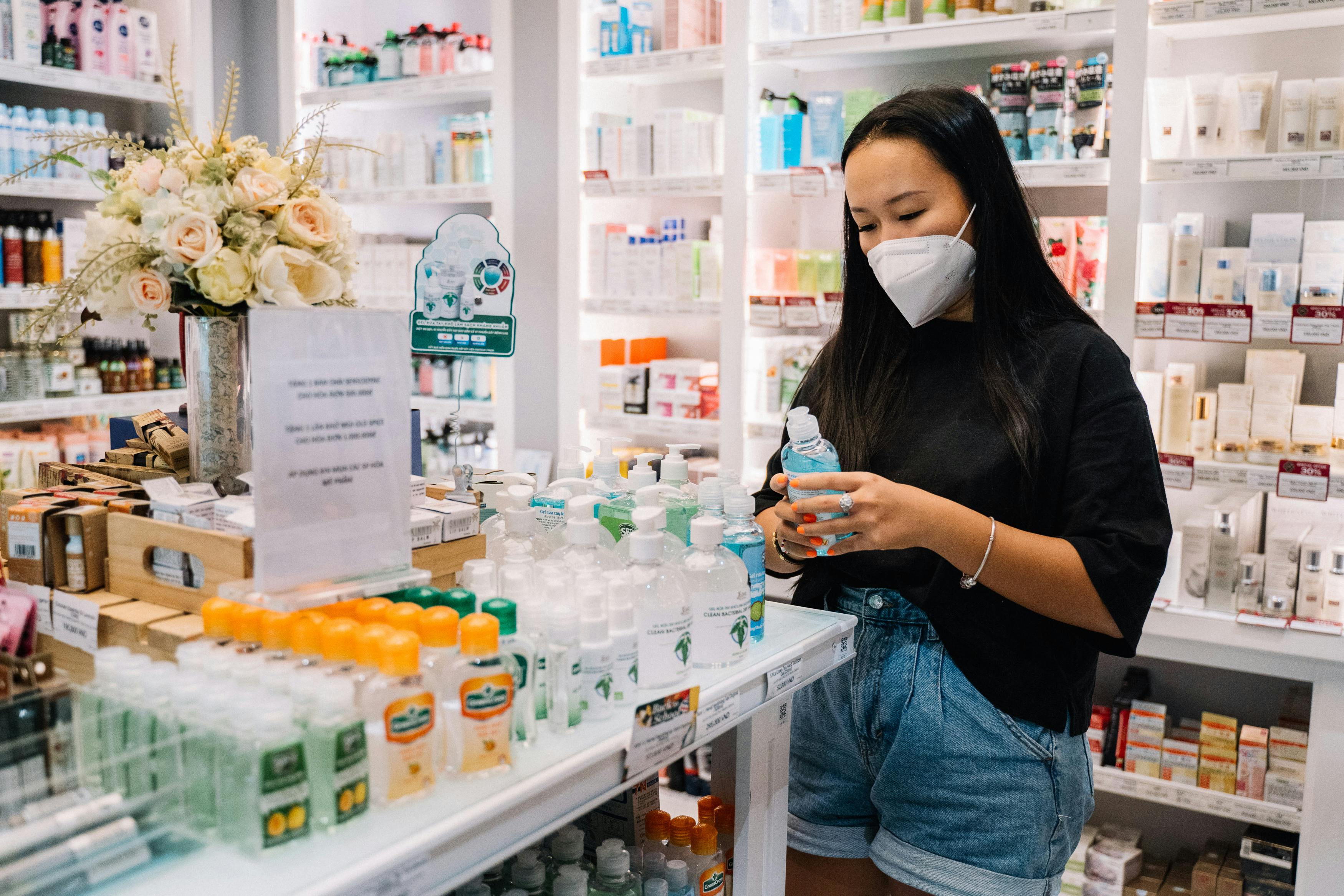 Have you ever stood in the grocery aisle longer than you should have, reading labels you barely understood, trying to decide which option was actually better? Everything claimed to be safer, cleaner, healthier. After a while, it stopped feeling like a choice and started feeling like a test you were not prepared for.
This kind of moment is becoming common. People are trying harder to choose healthy decisions about what they eat, use, and bring into their homes, but the number of options has grown faster than their ability to judge them. What should feel like progress ends up creating quiet pressure. It is not always obvious, but it builds.
There was a point when fewer choices made things easier, even if they were not ideal. Now every shelf is packed with labels like organic, non-toxic, plant-based, all sounding right but meaning slightly different things. It gets tiring. People try to read, compare, figure it out, but it takes effort most do not always have. Some give up halfway. Others keep going, a bit frustrated. It stops being just about buying something. The weight sits in the decision itself, where even small choices start to feel like they matter more than they should.
A lot of the confusion comes from how products are positioned rather than what they actually do. Consumers compare labels, search online, and piece together their own understanding. This process takes time, and it is rarely consistent. What one person sees as safe, another may question. That uncertainty stays in the background.
In the middle of this, some people start looking for brands or product lines that appear more consistent in how they present information and ingredients. Options like Melaleuca wellness products tend to stand out.
Melaleuca: The Wellness Company, founded in 1985 by Frank VanderSloot, focuses on improving everyday wellness through safer household and personal care products. It offers supplements, cleaning items, and skincare. Its products stand out for combining naturally derived ingredients with science-backed formulas, aiming for effectiveness while reducing exposure to harsh chemicals. The products the company offers align well with what consumers today look for.
There is a kind of pressure that sits in the background, not loud but steady. People feel they should be making the right choices, especially with health, and it shows up in small moments, like rethinking a purchase or feeling unsure after picking something that seemed fine earlier.
It is not always logical, but it sticks. The more people read and hear, the more they feel they should understand. When they do not, doubt creeps in. It is also not just personal. Conversations at work, online opinions, even casual chats all add to it, often pulling in different directions.
Access to information has improved, but clarity has not kept pace. There are articles, reviews, expert opinions, and personal experiences all mixed together, often saying slightly different things. Sorting through them takes effort, and not everyone has the time or background to do that well.
People tend to fall into a few patterns when dealing with this:
Each approach helps in its own way, but none of them fully solves the problem. Without a clear way to weigh what matters most, doubt tends to stay.
That is usually where the stress builds. Not from lack of effort, but from trying to process too many inputs at once, without a simple way to sort what actually deserves attention.
By the end of the day, people are making dozens of decisions, most of them small. What to eat, what to buy, what to avoid. Each one requires a bit of attention, and that attention is not unlimited. When health becomes part of every decision, it adds another layer. Instead of choosing what is convenient or familiar, people pause to evaluate. Over time, this constant evaluation can lead to fatigue.
And when fatigue sets in, decision quality often drops. People either default to old habits or make quick choices just to move on. It is not that they stop caring. It is that the process becomes too demanding to sustain.
There is no simple fix for this. One approach is to focus on consistency rather than perfection. Instead of trying to optimize every choice, people can identify a few standards that matter most to them and apply those consistently. Another shift involves accepting that not every decision needs to be fully optimized. Some level of uncertainty is unavoidable. Trying to eliminate it completely often creates more stress than it solves.
What stands out is that the stress is not really about products themselves. It is about the responsibility attached to choosing them. The idea that every decision has consequences, and that those consequences should be understood in advance. That expectation is difficult to meet. Health is complex, and no single choice determines an outcome. Yet the way information is presented often suggests otherwise.
P.S. Before you zip off to your next Internet pit stop, check out these 2 game changers below - that could dramatically upscale your life.
1. Check Out My Book On Enjoying A Well-Lived Life: It’s called "Your To Die For Life: How to Maximize Joy and Minimize Regret Before Your Time Runs Out." Think of it as your life’s manual to cranking up the volume on joy, meaning, and connection. Learn more here.
2. Life Review Therapy - What if you could get a clear picture of where you are versus where you want to be, and find out exactly why you’re not there yet? That’s what Life Review Therapy is all about.. If you’re serious about transforming your life, let’s talk. Learn more HERE.
Think about subscribing for free weekly tools here.
No SPAM, ever! Read the Privacy Policy for more information.