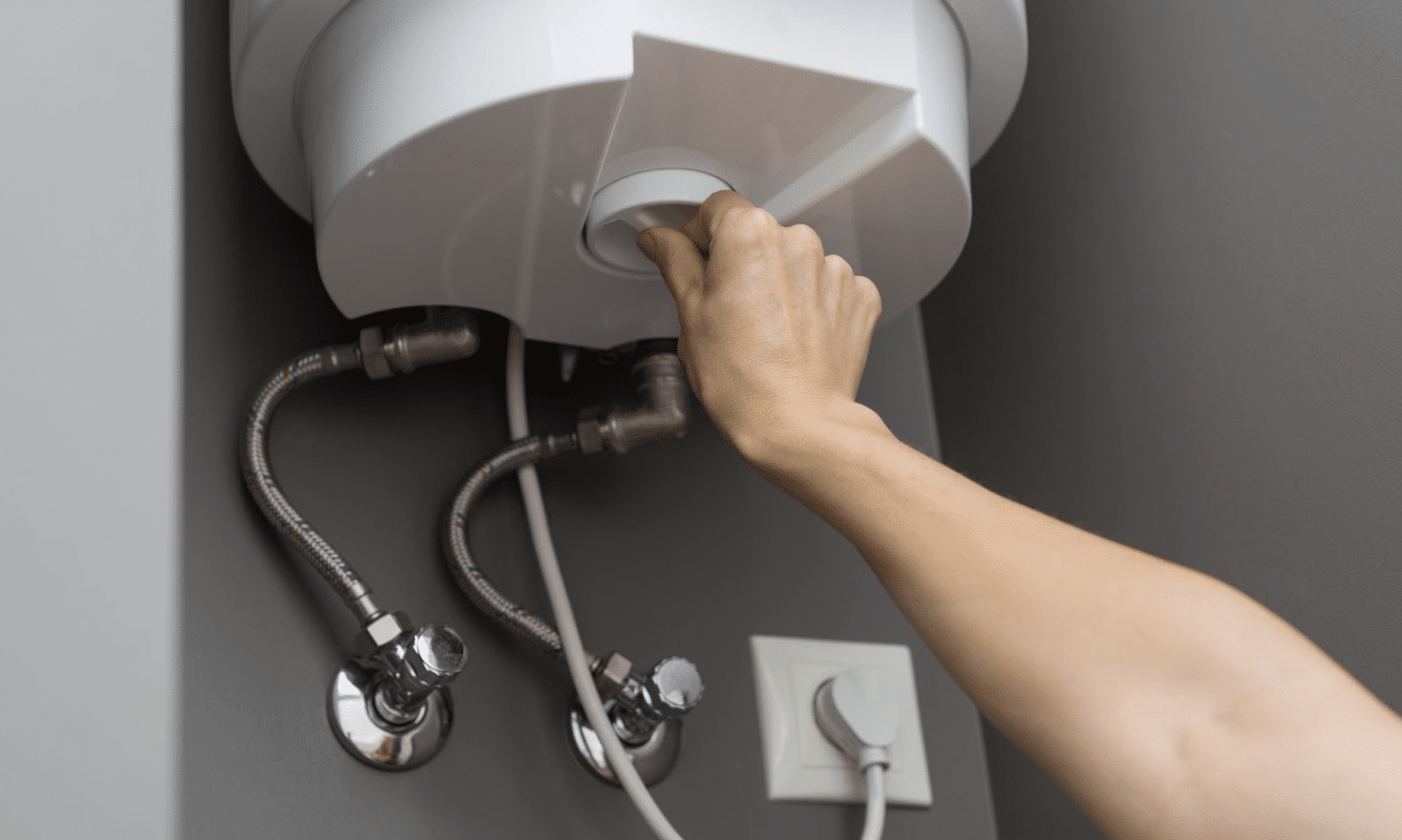
Scarcely any domestic problems can be more irritating than entering the shower and being hit with tepid water. Water heater repair requests increase dramatically in the winter, according to tradespeople who specialize in HVAC, plumbing, and electrical work. To be honest, homeowners are always caught off guard by this problem, which can arise at any time of the year.
Luckily, the majority of water heater issues can be traced to definite causes. Some are so simple that you could repair them yourself. In any case, being aware of the issue helps to reduce the stress of the situation.
Check out below seven popular reasons why a water heater might not be working properly.
Thermostat Settings Are Too Low
Although it may seem apparent, this is the first item that should be checked. The thermostat water heater dial is frequently inadvertently moved down during maintenance, when someone is concerned about scalding, or simply because it hasn’t been checked in years. Although some units ship set lower, the Department of Energy suggests 120°F as the ideal temperature.
Locate the thermostat panel, which is often located at the bottom of the unit under an access cover, raise the temperature to 120–125°F, and then wait a few hours.
Sediment Buildup in the Tank
Calcium and magnesium are the main minerals found in hard water that eventually settle to the bottom of your tank. That sediment layer acts as insulation between the burner or heating element and the water above it. You can also hear a popping or rumbling sound when the heater is running.
Flushing the tank once a year is one of the best water heater maintenance tips. If silt has built up for years, a single flush might not be enough or the valve might get stuck.
Faulty or Broken Heating Element
Electric water heaters have two heating elements, one near the top, one near the bottom. When the lower element fails, you still get some hot water (from the top element), but not nearly enough.
Testing an element requires a multimeter and some comfort working around electricity. Replacement elements are cheap, usually under $20, and the swap is manageable for confident DIYers. That said, if electrical work isn’t your thing, this is a fair one to hand off.
Malfunctioning Gas Burner or Pilot Light
On gas units, the pilot light going out is a classic cause. However, the issue still remains that a gas burner working on the pilot light may be insufficiently heated to produce the required amount of heat, thus causing problems.
And you know, dust, rust, and mineral deposits can all seriously affect your burner over time.
The thermocouple is probably failing if lighting the pilot doesn’t solve the issue or if it is continually going out. When the pilot is lit, this safety feature keeps the gas valve open. One of these
Dip Tube Deterioration
Within the tank, a plastic conduit called the dip tube guides cold incoming water to the bottom, where it warms up before rising to the top for usage. Before the hot water even reaches your faucet, cold water pours in at the top and mixes with it when the dip tube breaks or cracks.
Although it’s less frequent than sediment or element problems, a broken dip tube can be easily detected by looking for little pieces of plastic in your faucet aerators. After the tank is empty, replacement is rather simple.
Undersized Water Heater for Household Needs
Sometimes the heater itself is fine. The problem is the unit was never big enough for the household it’s serving. No amount of care will prevent a 40-gallon tank from running dry for a family of five who take morning showers together.
This is the kind of water heater issue that crops up when a family moves out or when a house changes hands and new people move in with different habits. As a general guideline, 30–40 gallons is sufficient for 1-2 persons, 40–50 gallons for 3–4, and 50+ gallons for bigger homes. Completely eliminating this issue, tankless units heat water on demand.
Aging Water Heater Nearing End of Lifespan
Most tank water heaters last 8–12 years. Parts deteriorate, efficiency declines, and sediment builds up more quickly than flushing can handle as they get older. On a good day, a unit that used to heat a full tank in 30 minutes might take an hour.
The data plate’s serial number usually incorporates the manufacturer’s date. Instead of making repairs, replace your water heater if it’s 10 years old or older and has recurring issues. There is a limit to how long water heater maintenance tips may extend its lifespan.
When to Call a Professional
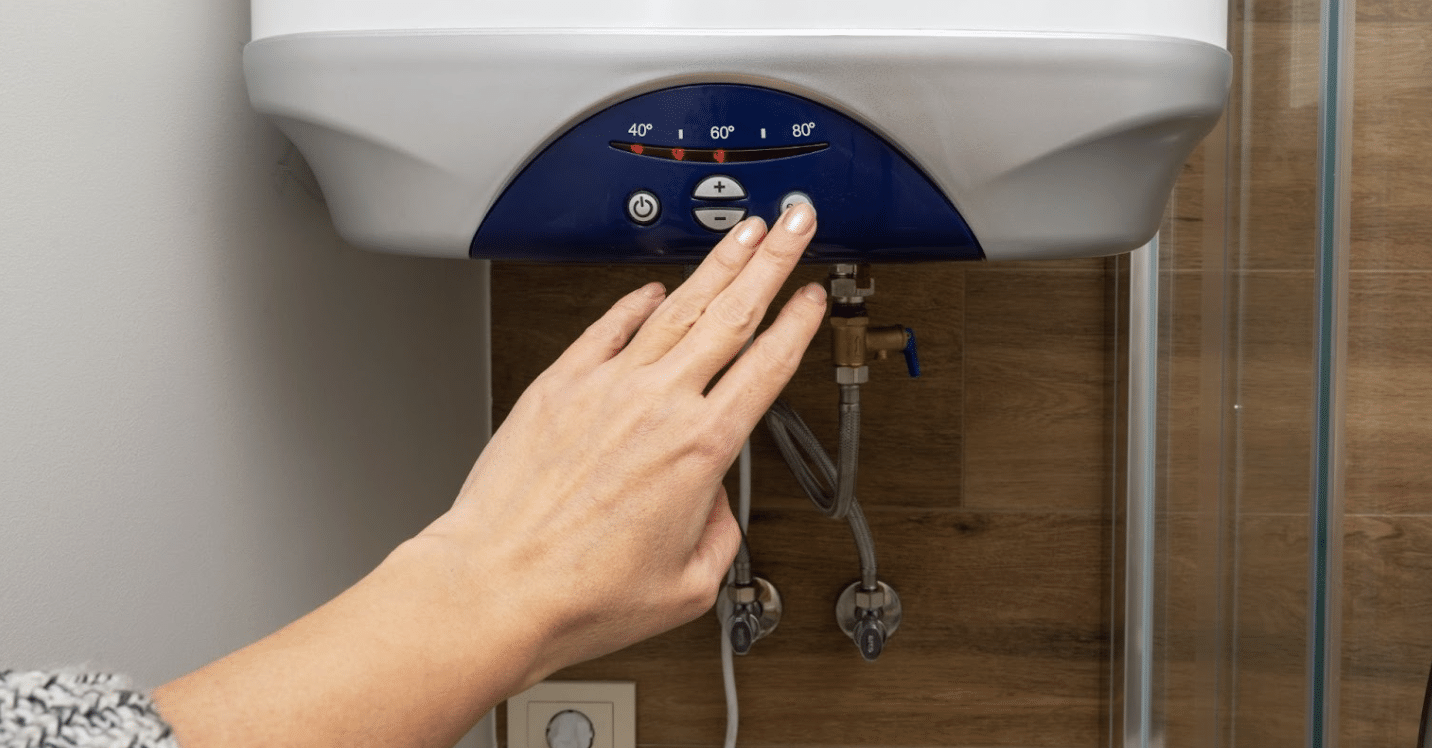 Thermostat adjustments and tank flushes are reasonable DIY territory. But anything involving gas valves, electrical panels, or a thermostat water heater that’s already been replaced once and is still failing, that’s worth a professional’s eyes.
Plumbers can also assess whether repair or full replacement makes more financial sense, given the unit’s age and condition. Getting a second opinion on that question is never a bad idea.
In Conclusion
Lack of water heater heat is irritating, but rarely mysterious. You should locate the remedy after reviewing the list, checking the thermostat, listening for rumbling, and evaluating the unit’s size and age. The one important lesson is that most of these issues are less likely to catch you off guard when you get yearly maintenance. A fast flush, a visual inspection, and being aware of the location of the temperature dial are all very helpful.
P.S. Before you zip off to your next Internet pit stop, check out these 2 game changers below - that could dramatically upscale your life.
1. Check Out My Book On Enjoying A Well-Lived Life: It’s called "Your To Die For Life: How to Maximize Joy and Minimize Regret Before Your Time Runs Out." Think of it as your life’s manual to cranking up the volume on joy, meaning, and connection. Learn more here.
2. Life Review Therapy - What if you could get a clear picture of where you are versus where you want to be, and find out exactly why you’re not there yet? That’s what Life Review Therapy is all about.. If you’re serious about transforming your life, let’s talk. Learn more HERE.
Think happier. Think calmer.
Think about subscribing for free weekly tools here.
No SPAM, ever! Read the Privacy Policy for more information.
One last step!
Please go to your inbox and click the confirmation link we just emailed you so you can start to get your free weekly NotSalmon Happiness Tools! Plus, you’ll immediately receive a chunklette of Karen’s bestselling Bounce Back Book!


