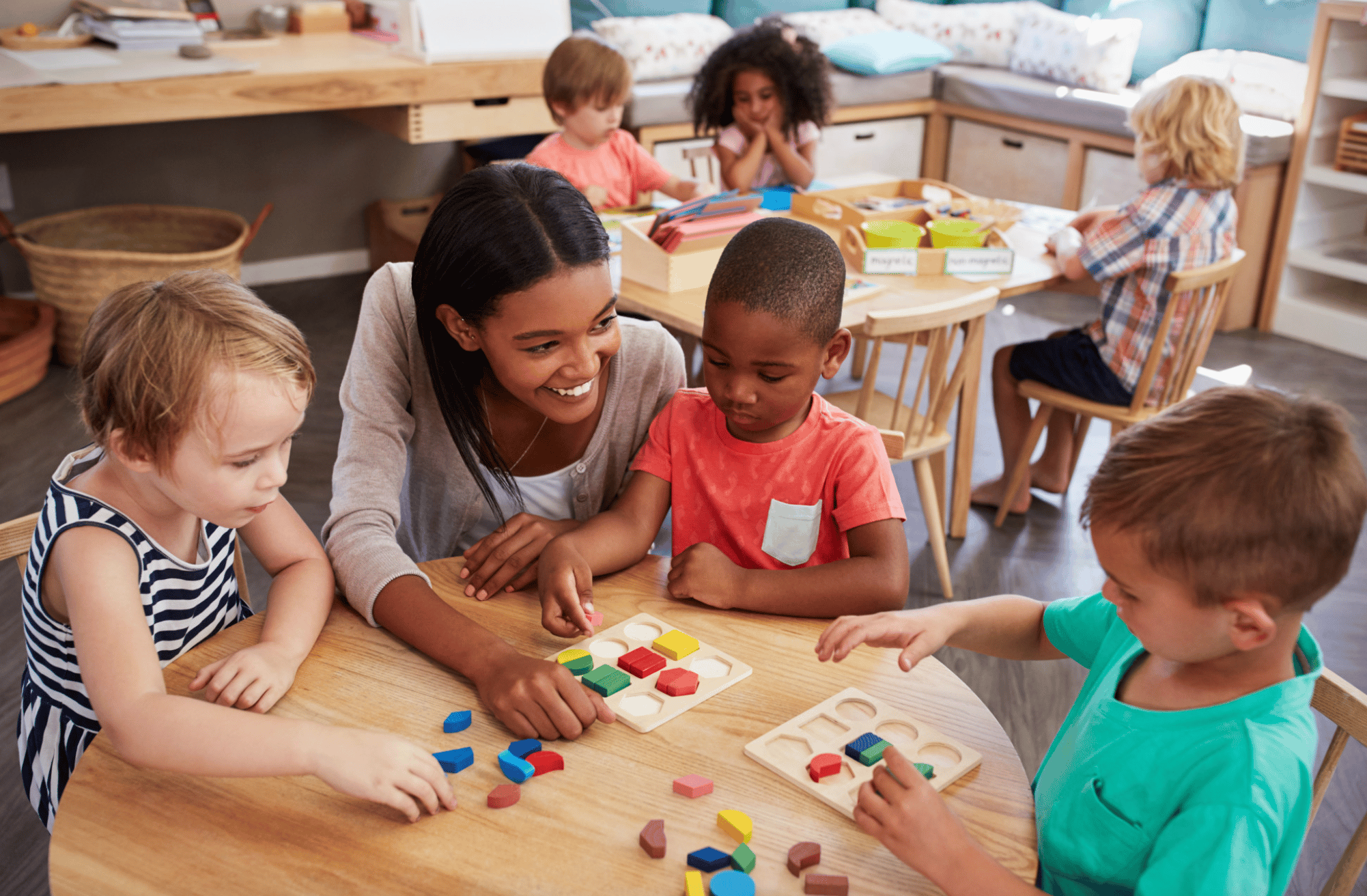
 It is easy to walk into a classroom and assume learning happens because the room feels busy. Children are laughing, papers shuffle, and teachers are moving around with purpose. But look a little closer and it becomes clear that not all classrooms give every child the same chance to shine.
A classroom that truly supports every learner feels different. There is a clear balance between structure and independence. Every child, whether shy or energetic, eager or hesitant, finds space to belong. This balance is what educators and parents alike hope to see in settings like an inclusive preschool, where the goal goes beyond learning the ABCs and focuses on making every child feel valued and included.
When a school environment embraces children as individuals, learning grows naturally. The teacher’s patience, the room’s warmth, and the classmates’ openness all work together to build trust. These are the small, everyday signs that a classroom is not just a place for lessons but also a supportive environment for exploration and growth.
Genuine Connection Between Teachers and Students
The heart of any supportive classroom lies in the relationship between the teacher and each child. Children flourish when they feel noticed, understood, and appreciated for who they are. A teacher who kneels down to listen at eye level, who remembers which child loves dinosaurs or who takes time to encourage a quiet student to speak helps create emotional security and trust.
Every Child Feels Seen
It is not always about big gestures or special projects. Often it appears through consistent small actions. Greeting each child by name every morning tells them that they belong. Asking about their weekend or favourite story reminds them they are valued individuals, not just students in a classroom.
When children feel truly seen, they show it through confidence. They ask questions, they try new things, and they learn to express themselves without fear of judgment. In this environment, mistakes become part of learning rather than something to hide.
Patience Creates Space for Growth
Children develop at their own pace. Some grasp new concepts quickly while others need more time to catch on. A supportive classroom accepts these differences through patience rather than pressure. Patience allows children to take risks and build understanding without feeling rushed or left behind.
A teacher who gives a second, quieter child time to speak teaches the whole class a powerful lesson about respect and inclusion. It reminds everyone that learning is not a race, it is a journey shared together.
Encouragement Builds Confidence
Recognition is another language of support. Whether it’s a kind word after effort, a note of praise for perseverance, or a moment of applause for teamwork, encouragement matters. It shows children that effort counts, not just outcomes.
This sense of affirmation helps them develop resilience. When they stumble, they have the emotional tools to stand back up. Every encouraging moment becomes a step toward stronger self belief that extends beyond the classroom.
The Classroom Environment Nurtures Belonging
Just as relationships shape a supportive class, the physical and emotional environment plays an equal role. From how furniture is arranged to how rules are guided, the environment communicates who belongs and how learning feels.
Spaces That Invite Participation
When classrooms are thoughtfully designed, children feel welcome to explore. Open spaces for group activities, cozy corners for quiet reading, and accessible materials support independence and curiosity. Having tools within reach encourages responsibility and curiosity at the same time.
Colors, light, and displays of children’s work send powerful messages too. A wall showing everyone’s art, not just the neatest drawings, celebrates effort, not perfection. Bright corners filled with books in different languages or toys that reflect various cultures show children that diverse identities are respected and welcomed.
Respectful Routines Build Safety
Predictable routines give children comfort and stability. When they know what comes next, they feel secure enough to take risks in learning. Simple rituals like morning greetings, group story time, or reflection activities help create emotional balance.
At the same time, flexible adjustments allow spontaneity when needed. A rigid routine can make children feel boxed in, but a balance of structure and adaptability communicates trust. Children learn that rules guide them, not confine them.
Learning Through Collaboration
Supportive classrooms are built on teamwork. Collaboration allows children to learn from each other’s strengths. In group activities, they discover new roles, sometimes leading, sometimes following, but always contributing.
A teacher who values collaborative projects shows children that success is shared. They learn to listen, to help, and to celebrate differences instead of comparing them. In these moments, diversity becomes strength and belonging becomes real.
A Culture of Respect and Openness
Beyond daily lessons and routines, what truly defines a classroom that supports every learner is culture. This culture grows through respect, curiosity, and genuine care.
When teachers model kindness in how they speak and react, children internalize those same values. They learn that empathy is not just an idea but a daily practice. They see that classmates who communicate differently or come from different backgrounds can still connect and learn together.
A strong classroom culture also encourages growth for teachers. Educators who continue learning, who ask questions about better ways to reach each child, set an example of lifelong curiosity. It shows students that everyone, even grown ups, keeps learning and growing.
Building a Future Where Every Child Thrives
A classroom that truly supports every learner develops through consistent care, patience, and awareness. When teachers, parents, and schools work together with the shared belief that every child deserves to belong, learning environments become more inclusive and supportive.
In these supportive spaces, curiosity blossoms, confidence strengthens, and relationships deepen. Every child walks away with more than just academic knowledge. They gain a lasting sense of confidence, inclusion, and motivation to keep learning long after the school day ends.
P.S. Before you zip off to your next Internet pit stop, check out these 2 game changers below - that could dramatically upscale your life.
1. Check Out My Book On Enjoying A Well-Lived Life: It’s called "Your To Die For Life: How to Maximize Joy and Minimize Regret Before Your Time Runs Out." Think of it as your life’s manual to cranking up the volume on joy, meaning, and connection. Learn more here.
2. Life Review Therapy - What if you could get a clear picture of where you are versus where you want to be, and find out exactly why you’re not there yet? That’s what Life Review Therapy is all about.. If you’re serious about transforming your life, let’s talk. Learn more HERE.
Think happier. Think calmer.
Think about subscribing for free weekly tools here.
No SPAM, ever! Read the Privacy Policy for more information.
One last step!
Please go to your inbox and click the confirmation link we just emailed you so you can start to get your free weekly NotSalmon Happiness Tools! Plus, you’ll immediately receive a chunklette of Karen’s bestselling Bounce Back Book!


