 Have you ever stepped into a bathroom and noticed how slick the floor feels? Now imagine navigating that same space at age seventy five. The bathroom is one of the most used rooms in any home. It is also one of the most accident prone. Falls remain a leading cause of injury among older adults in the United States. Emergency rooms treat thousands of bathroom related injuries each year.
At the same time, more Americans want to stay in their homes longer. Rising housing prices and strong community ties make moving less attractive. Aging in place has become more than a lifestyle phrase. It reflects financial realities and emotional attachments. Renovating a bathroom for long term comfort requires clear planning and smart choices.
In this blog, we will share practical design ideas, safety upgrades, and thoughtful improvements to renovate a bathroom for aging in place. Enjoy support independence, comfort, and peace of mind for years to come.
Build Safety into Every Design Decision
Safety should guide each renovation choice from the beginning. Slippery tile may look beautiful, but it creates daily risk. Textured flooring offers better grip without sacrificing appearance. Matte finishes often reduce glare and improve traction.
Grab bars have changed in style over the years. They no longer resemble cold hospital fixtures. Modern designs blend with towel bars and hardware finishes. Placement matters more than style. Bars should sit near toilets and inside showers at proper heights.
Working with a reliable bathroom remodeling company helps avoid costly mistakes. Professionals understand spacing requirements and structural support needs. Secure installation makes the difference between stability and danger. Therefore, careful planning reduces hazards before they occur.
Lighting also affects safety in powerful ways. Dim corners increase fall risk. Layered lighting brightens sinks, showers, and entry points. Motion sensor night lights guide late evening trips. These adjustments may seem simple, yet they prevent serious injuries.
Rethink the Shower and Tub Layout
Traditional bathtubs often require stepping over high edges. That motion becomes harder with limited balance. Walk in showers offer easier entry and exit. Curbless designs remove barriers completely. They create a smooth surface from bathroom floor to shower area.
Built-in seating adds comfort during longer showers. Sitting reduces fatigue and lowers the chance of slipping. Handheld shower heads provide better control and flexibility. Adjustable height settings allow use at different stages of mobility. Therefore, thoughtful shower design supports independence each day.
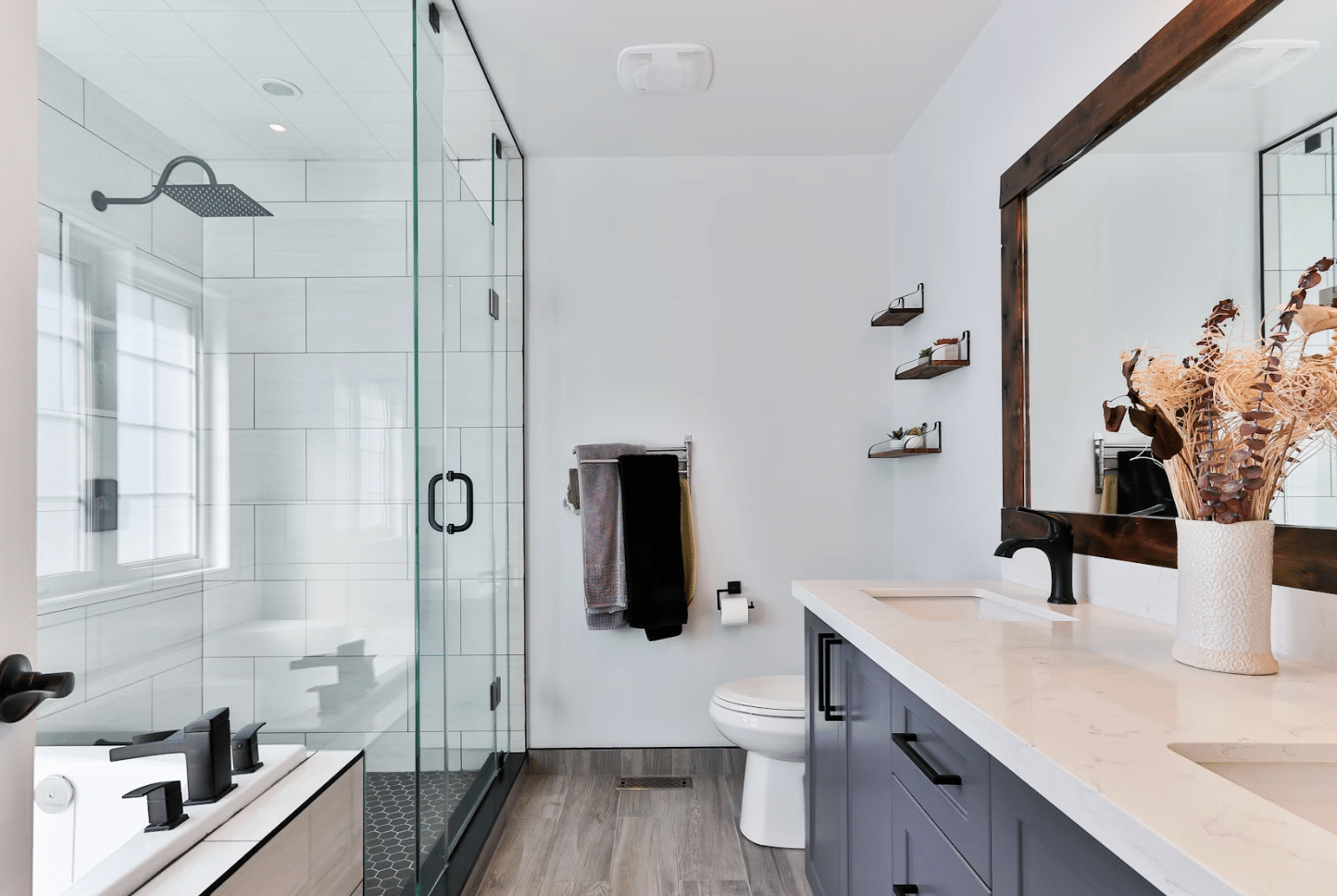
Clear glass panels improve visibility within the space. Wide openings allow easier movement if support devices are needed later. Non slip shower floors increase confidence while bathing. Planning for future needs prevents expensive changes down the road. A well designed shower balances practicality with dignity.
Upgrade the Toilet Area for Ease and Stability
Toilet height affects comfort more than many people expect. Standard models sit lower than ideal for aging joints. Comfort height toilets reduce strain when sitting and standing. They align better with natural movement patterns.
Adequate space around the toilet also matters. Tight layouts restrict movement and increase frustration. Extra clearance allows smoother transitions. Grab bars installed nearby provide discreet support. Therefore, this area should feel stable and accessible.
Bidet features have grown in popularity across the country. Improved hygiene becomes easier with simple controls. Many models offer warm water and gentle drying functions. These additions promote independence and personal care. Small adjustments can create meaningful improvements in daily comfort.
Improve Storage and Everyday Reach
High cabinets challenge shoulders and balance. Deep shelves hide essential items out of view. Reworking storage makes routines easier. Pull-out drawers keep supplies visible and reachable. Soft close mechanisms prevent sudden noise and strain.
Open shelving near the sink reduces bending and stretching. Frequently used products should sit at waist or chest height. Adjustable shelving adapts as needs change over time. Therefore, storage design should reflect real daily habits.
Mirrors also influence usability. Larger mirrors improve visibility for grooming tasks. Anti fog features maintain clarity after hot showers. Clear sight lines reduce frustration. These thoughtful details turn small routines into smoother experiences.
Strengthen Lighting and Visual Clarity
Vision often changes gradually with age. Shadows and glare create confusion in tight spaces. Balanced lighting reduces eye strain and improves safety. Overhead fixtures should spread light evenly across the room.
Vanity lighting placed at eye level enhances facial visibility. This arrangement prevents harsh shadows. Natural light remains ideal whenever possible. Frosted windows protect privacy while allowing brightness. Therefore, combining natural and artificial lighting creates balance.
Switches should be easy to operate. Rocker style switches require less finger strength. Motion sensors add convenience during nighttime visits. Clear visibility reduces hesitation and builds confidence. Lighting transforms both mood and safety in subtle ways.
Choose Materials That Support Long Term Comfort
Bathroom materials must withstand moisture and frequent cleaning. Durable surfaces resist mold and stains effectively. Porcelain tile remains a popular choice for longevity. Solid surface countertops require minimal upkeep.
Rounded edges on counters reduce injury risk. Easy to clean finishes simplify maintenance routines. Therefore, selecting practical materials protects comfort and value.
Color also affects perception. Light neutral tones make spaces feel open. Soft contrast between floors and walls improves depth awareness. Visual clarity helps prevent missteps. Thoughtful material choices contribute to lasting comfort.
Plan for Flexibility and Future Change
Aging in place involves preparing for evolving needs. Mobility levels may shift gradually. Designing with flexibility avoids future disruptions. Wider doorways accommodate walkers or wheelchairs if necessary. Pocket doors save space while improving access.
Reinforced walls behind tile allow future grab bar installation. Even if bars are not needed immediately, preparation matters. Adjustable shower fixtures and removable seating add adaptability. Therefore, flexible design supports independence over time.
Technology Can Also Enhance Safety.
Anti scald valves regulate water temperature reliably. Leak detection systems alert homeowners before damage spreads. These features blend convenience with protection. Planning ahead strengthens both comfort and security.
A bathroom designed for aging in place should never feel clinical. Warm finishes and coordinated details create welcoming spaces. Comfort and style can coexist easily. There is quiet irony in preparing for later years. Many avoid the topic, yet preparation offers freedom. A thoughtfully renovated bathroom reduces risk and supports confidence. In uncertain times, that stability feels priceless. A safer space today becomes reassurance for tomorrow.
P.S. Before you zip off to your next Internet pit stop, check out these 2 game changers below - that could dramatically upscale your life.
1. Check Out My Book On Enjoying A Well-Lived Life: It’s called "Your To Die For Life: How to Maximize Joy and Minimize Regret Before Your Time Runs Out." Think of it as your life’s manual to cranking up the volume on joy, meaning, and connection. Learn more here.
2. Life Review Therapy - What if you could get a clear picture of where you are versus where you want to be, and find out exactly why you’re not there yet? That’s what Life Review Therapy is all about.. If you’re serious about transforming your life, let’s talk. Learn more HERE.
Think happier. Think calmer.
Think about subscribing for free weekly tools here.
No SPAM, ever! Read the Privacy Policy for more information.
One last step!
Please go to your inbox and click the confirmation link we just emailed you so you can start to get your free weekly NotSalmon Happiness Tools! Plus, you’ll immediately receive a chunklette of Karen’s bestselling Bounce Back Book!


