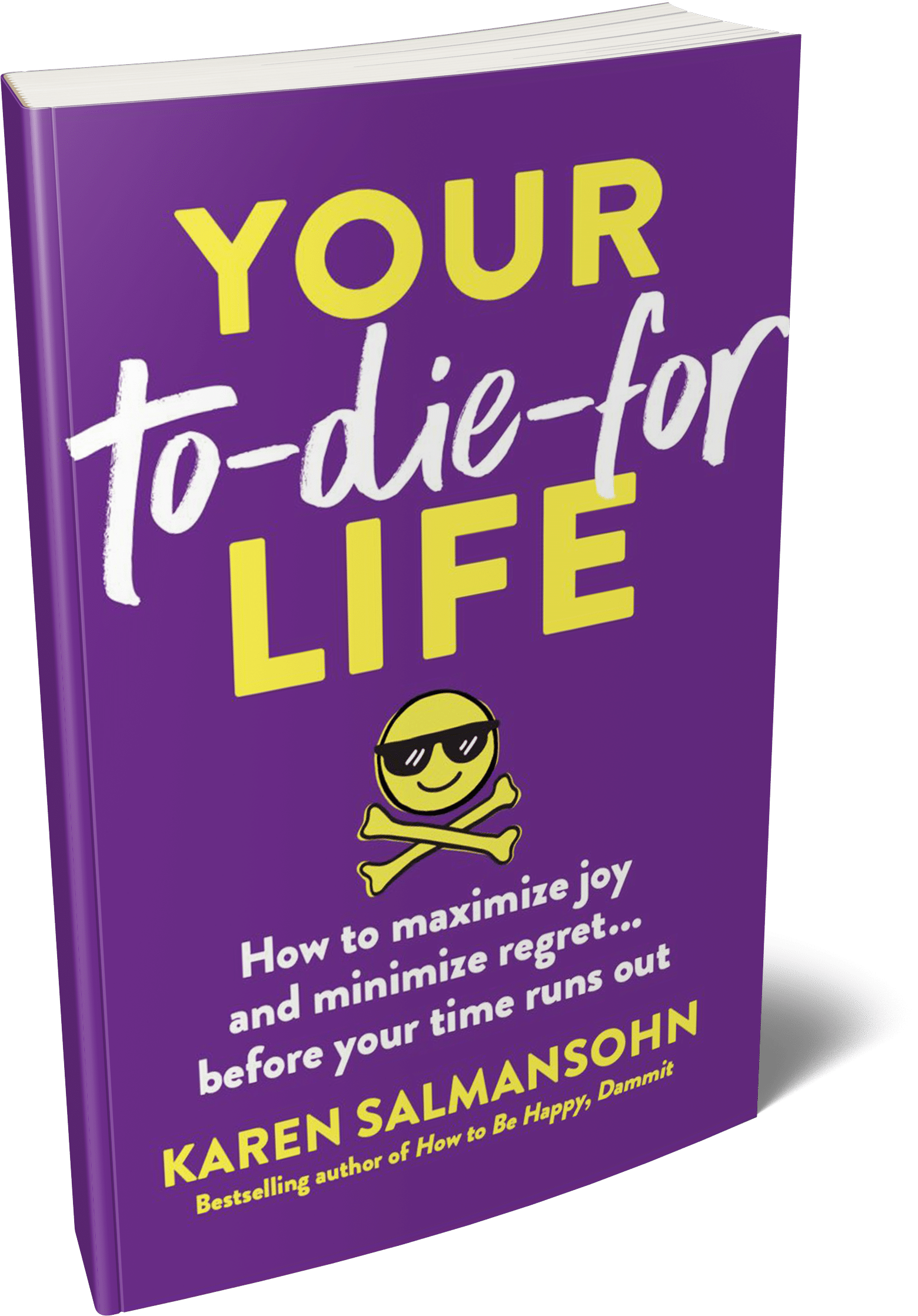

Get A Sneak Peek at my book “Your To-Die-For Life”!
Get a FREE sneak peek! Learn how to use Mortality Awareness as a wake up call to live more boldly.


 Many people wonder how many accidents it takes before an insurance company decides to drop their policy. The answer isn’t the same for everyone; it depends on the insurer’s policies, the severity of accidents, and sometimes the driver’s overall history.
Generally, after two to three at-fault accidents in a short period, an insurer may consider dropping coverage.
Some insurers might be more lenient, while others have stricter thresholds. Factors like claim amounts and frequency play a critical role in their decision-making process.
Understanding these details can help drivers manage their risk and insurance relationships better. Knowing what triggers a policy cancellation is essential for maintaining continuous coverage.
Insurance companies set specific limits on how many accidents a driver can have before facing cancellation. This number varies widely, depending on the insurer’s policies and additional circumstances involving the driver’s history and the nature of the claims.
Most insurers allow between one and three at-fault accidents before considering policy cancellation. Some companies may cancel a policy immediately after a single severe accident, especially if it involves significant damages or injuries. Others may tolerate multiple minor accidents without dropping coverage.
For example:
| Number of Accidents | Common Insurer Response |
| 1 | Possible premium increase |
| 2 | Warning or non-renewal |
| 3 or more | Likely policy cancellation |
The exact number depends on the insurer’s risk tolerance and the driver’s claims history.
Several factors affect whether a policy is canceled after accidents. These include the severity of each accident, whether the driver was at fault, and the total cost of claims filed. Drivers with previous accidents or violations are more likely to be dropped quickly.
Additionally, the state’s insurance regulations can limit or require insurers to justify cancellations. High-risk drivers, such as those with DUI convictions or reckless driving charges combined with accidents, face a higher chance of losing coverage.
Insurance companies consider several factors when deciding whether to continue or drop coverage after accidents. These factors include the nature of the accidents, local laws, and the individual policy details.
The seriousness of each accident is a critical factor. Major accidents involving injury or significant property damage are more likely to lead to policy cancellation than minor fender-benders.
Frequency also matters. Multiple small claims in a short time frame can signal increased risk, prompting insurers to drop coverage. One at-fault accident may not be a problem, but repeated incidents often lead to higher premiums or non-renewal.
Insurers assess how much each accident raises their risk exposure. Large claims can cost insurers more, influencing their willingness to keep a driver insured.
Each state imposes rules that affect insurance practices. Some states limit insurers’ ability to cancel policies after a single accident. Others require specific notice periods before non-renewal.
States may also mandate considerations such as drivers’ prior records and the time frame in which accidents occurred. These legal requirements protect insured drivers from abrupt cancellations.
Insurance companies must follow these laws strictly. Non-compliance can result in penalties or forced policy reinstatement.
The kind of insurance coverage affects how accidents impact policy status. For example, comprehensive coverage may tolerate fewer accidents than liability-only policies because of higher risk to the insurer.
The policyholder’s overall driving history is also important. A clean record before an accident may lead to more leniency. Conversely, those with prior claims or moving violations face a higher chance of being dropped.
Insurers use this history to gauge the likelihood of future claims. Repeat offenders are seen as high risk and may lose coverage sooner.
After several car accidents, drivers often face significant changes in their insurance status. These changes mostly involve increased premiums and the risk of losing coverage if the insurer decides not to renew the policy. Understanding these consequences helps drivers know what to expect and how to respond.
When a driver files multiple claims due to car accidents, insurers typically raise premiums to offset the increased risk. After one or two accidents, a surcharge usually applies, which can increase the premium by 20% to 50%. With more accidents, the rate hikes become steeper and may compound yearly.
Some insurers use a points system, where each accident adds points to the driver’s record. High points trigger even higher surcharges. Drivers with multiple accidents might face premiums two to three times higher than before.
Seeking advice from a car accident lawyer can be useful. A lawyer may help dispute fault or negotiate settlements that prevent a claim from affecting premiums. This can limit rate increases or keep insurance from dropping altogether.
Multiple accidents signal to insurers that the driver is high risk. After a certain number of claims—often two or three within a few years—carriers may choose not to renew the policy. This is especially common if serious injuries or high claim amounts are involved.
Non-renewal means the insurer cancels the policy at the end of the term, forcing the driver to find new coverage. Some states require insurers to provide notice in advance, and drivers might have limited options in the standard market.
Being denied renewal after accidents could push drivers to high-risk or non-standard insurance providers. These options are usually more expensive and offer fewer benefits. Consulting a car accident lawyer can provide guidance on how to handle non-renewal or appeal decisions.
Insurance companies assess risk based on driving history and claim frequency. Maintaining a clean record and understanding when to seek legal advice are key to avoiding policy cancellation and protecting one’s rights after an accident.
Drivers should avoid multiple at-fault accidents within a short time frame, as insurers often cancel policies after two or three serious incidents. Reporting all accidents honestly and promptly is essential.
Taking a defensive driving course can sometimes improve risk profiles or qualify for discounts. Maintaining thorough records of all accident-related documents may help if disputes with the insurer arise.
Increasing deductibles or adjusting coverage can reduce premiums and demonstrate responsibility. Insurers value consistent payment history and limited claims, which influence renewal decisions.
If an accident results in significant damage, injury, or disputed fault, consulting a car accident lawyer promptly is important. A lawyer can clarify liability, navigate insurance claims, and ensure fair compensation.
Legal advice is also critical if the insurer threatens policy cancellation or denies a claim without clear justification. A lawyer may assist in negotiating with insurance companies or challenging unfair decisions.
Early consultation helps protect legal rights and may prevent escalation to costly litigation. It ensures drivers understand how accidents impact coverage and the best strategies to maintain insurance.
P.S. Before you zip off to your next Internet pit stop, check out these 2 game changers below - that could dramatically upscale your life.
1. Check Out My Book On Enjoying A Well-Lived Life: It’s called "Your To Die For Life: How to Maximize Joy and Minimize Regret Before Your Time Runs Out." Think of it as your life’s manual to cranking up the volume on joy, meaning, and connection. Learn more here.
2. Life Review Therapy - What if you could get a clear picture of where you are versus where you want to be, and find out exactly why you’re not there yet? That’s what Life Review Therapy is all about.. If you’re serious about transforming your life, let’s talk. Learn more HERE.
Think about subscribing for free weekly tools here.
No SPAM, ever! Read the Privacy Policy for more information.