
Get A Sneak Peek at my book “Your To-Die-For Life”!
Get a FREE sneak peek! Learn how to use Mortality Awareness as a wake up call to live more boldly.


 Ever hit the middle of the week and realize you’ve been sitting more than sleeping, eating more from bags than plates, and operating on a steady drip of coffee and stress? You’re not the only one. The conversation around health has shifted—from pushing performance to protecting energy. In this blog, we will share what it really means to eat well, get moving consistently, and actually feel better in a way that holds up.
For a long time, the messaging around wellness sounded like punishment. Cut carbs. Wake up earlier. Train harder. But over the last few years—especially since the collective burnout of the pandemic era—people have started asking different questions. Not just “How do I look?” but “How do I function?” Not “How do I push through it?” but “How do I recover from it?” That change matters.
With more attention on personal health, many are exploring their options beyond just gym memberships or diet books. Some are finally using benefits they’ve overlooked for years. A growing number of older adults are learning how to stretch the value of their plans by researching resources like https://medicareonvideo.com/where-can-i-use-my-aetna-medicare-extra-benefits-card/, which helps people make the most of their healthcare perks—whether that’s food allowances, wellness support, or preventive services. It’s a reminder that feeling better isn’t always about doing more. Sometimes it’s about using what’s already available.
Access and information are now part of the equation. People want real solutions, not blanket advice. They want to know how to move through the day without feeling wrecked by dinnertime. And the best answers usually start small, not extreme.
Most eating advice swings between two extremes—restriction or indulgence. But in reality, the goal isn’t moral perfection or aesthetic control. It’s energy. Clarity. Stability. Eating better starts by removing chaos from meals, not joy.
A steady rhythm helps. Not skipping meals. Not waiting until you’re lightheaded and ravenous before opening the fridge. When meals are predictable and include protein, fiber, and fat, the result is fewer crashes, less overeating later, and more even energy.
It’s also helpful to reduce food decisions during the busiest times of day. Leftovers for lunch. A rotating list of breakfasts. Grocery runs with a short, repeatable list of staples. People don’t eat poorly because they don’t know what’s healthy. They eat poorly because they’re tired, distracted, and surrounded by convenience that isn’t made with their needs in mind.
Hydration plays a bigger role than most admit. Even mild dehydration lowers focus, increases cravings, and reduces physical performance. If you’re dragging halfway through the day, a glass of water might work faster than another coffee.
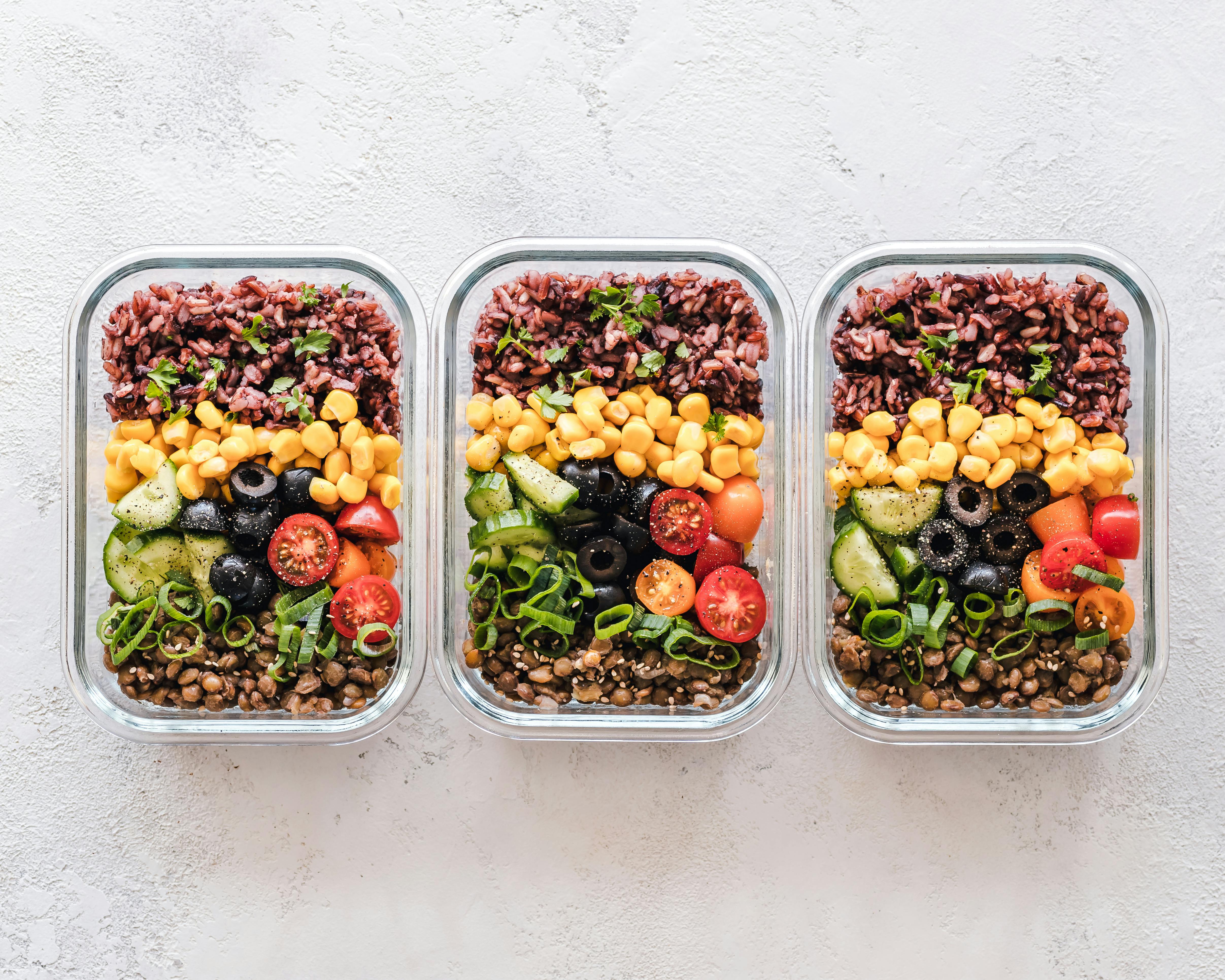
Food should be functional—but it should also be enjoyable. Taste still matters. Satisfaction reduces binge cycles. Adding color and variety improves mood. Meals don’t need to be gourmet, just consistent and built around whole ingredients more often than not.
Exercise routines get glorified until they become unrealistic. The truth is, what most bodies need isn’t a punishing workout—it’s movement that makes blood flow and stiffness fade. Walking remains one of the most effective and underrated tools for better health. It boosts cardiovascular function, lowers blood sugar, improves mood, and doesn’t require a gym, equipment, or a tutorial.
Strength training helps maintain muscle and bone density, especially as the body ages. But that doesn’t mean Olympic lifts or backbreaking routines. Bodyweight exercises, resistance bands, or slow controlled lifts two or three times a week make a measurable difference in strength and mobility.
The key is sustainability. A schedule that fits your real life. Movement that leaves you better afterward, not wrecked. If you dread it, it won’t last. But if it fits into your daily rhythm—walking after lunch, stretching during screen time, pushups before a shower—it builds over time.
Movement also changes mood. It resets the nervous system. It relieves anxiety. It improves sleep. People often think they’re too tired to exercise when in fact they’re tired because they haven’t moved.
You can eat clean and move consistently, but if you don’t sleep, none of it sticks. Sleep affects everything—appetite regulation, muscle repair, emotional control, and focus. It’s where the body recovers, resets, and stores memory.
The mistake most people make isn’t staying up late—it’s staying overstimulated. Blue light, email, group chats, news feeds—each of these pushes the brain into alert mode. Then we lie down and wonder why we can’t fall asleep.
Good sleep starts hours before bed. Dimming lights. Logging off. Keeping a predictable routine. Creating a physical environment that signals rest—cooler temps, less clutter, noise control—also makes a difference.
Napping isn’t a weakness. It’s a survival tool when used well. Even 15–20 minutes of rest during a hard day can restore mental clarity. Burnout often builds in people who ignore the warning signs—irritability, clumsiness, brain fog—and try to “power through” instead of reset.
Well-being isn’t just a solo game. People do better when they feel supported. Whether that’s a walking partner, someone to split a grocery run with, or just a friend who texts “you moving today?”—connection boosts follow-through.
Support also keeps goals realistic. The wellness industry sells peak performance. But most people just want fewer aches, more focus, better sleep, and less stress. That’s not a mountain. That’s a series of steps.
Health isn’t built in perfect weeks. It’s built in consistent choices. In taking the walk even if it’s short. Drinking the water even if you had a soda. Eating a meal even if it wasn’t cooked from scratch. Small wins repeat. Large wins burn out.
And control matters. Not in a tight-fisted way, but in a grounded one. Control over your environment. Your schedule. Your access to helpful information. That includes knowing what your health plan covers, where to go for help, and how to use resources that already exist in your community or benefits package.
If there’s one lesson people have learned lately, it’s that being constantly busy isn’t the same as being well. Health doesn’t require full-time effort—it requires consistent attention. The body knows how to recover. It just needs fewer obstacles.
Instead of stacking habits, simplify them. Instead of reaching for extremes, aim for sustainable rhythms. And instead of blaming yourself for being tired, ask if your environment is helping or hurting your ability to feel better.
The most powerful wellness plans are the quiet ones. Walk more. Eat real food. Get outside. Sleep better. Ask for help. Use the resources already in front of you. That’s what moves the needle—and keeps it there.
P.S. Before you zip off to your next Internet pit stop, check out these 2 game changers below - that could dramatically upscale your life.
1. Check Out My Book On Enjoying A Well-Lived Life: It’s called "Your To Die For Life: How to Maximize Joy and Minimize Regret Before Your Time Runs Out." Think of it as your life’s manual to cranking up the volume on joy, meaning, and connection. Learn more here.
2. Life Review Therapy - What if you could get a clear picture of where you are versus where you want to be, and find out exactly why you’re not there yet? That’s what Life Review Therapy is all about.. If you’re serious about transforming your life, let’s talk. Learn more HERE.
Think about subscribing for free weekly tools here.
No SPAM, ever! Read the Privacy Policy for more information.
