 Clear hearing helps you follow a conversation, respond with confidence and stay connected to the people around you. When sounds become less distinct, everyday interactions can demand far more concentration than they once did.
That extra effort may leave you tired or tempted to withdraw, even before you recognize a change in hearing. Understanding the pattern can help you protect your energy and take practical action.
The Hidden Strain of Social Fatigue
Listening fatigue develops when your brain has to work harder to interpret incomplete or unclear sound. During a family dinner, for example, you may try to separate one voice from background music while watching facial expressions for extra clues. Following the discussion becomes a demanding mental task.
Notice how you feel after different social settings. If crowded restaurants leave you unusually drained but one-on-one conversations feel easier, sound clarity may be part of the problem. Quieter seating, good lighting and short breaks can reduce the immediate strain. Still, recurring fatigue deserves attention because constant effort can turn enjoyable plans into obligations you start avoiding.
When Conversations Slip Away
Small misunderstandings often provide the first clue. You might miss the end of a sentence, answer a different question or laugh after everyone else because you were piecing together the context. Asking people to repeat themselves helps, but frequent repetition can make conversations feel awkward.
If these moments keep happening, schedule a professional hearing evaluation. You can also compare options and buy hearing aids online when you already understand your hearing needs and want to review pricing, brands and purchase terms. A device should match your test results, daily environment and comfort preferences instead of being chosen on price alone.
Breaking the Stigma of Midlife Care
Many people treat hearing support as something reserved for much later in life. Yet age-related hearing loss can emerge gradually, and years of noise exposure may affect how soon someone notices difficulty. Addressing it in midlife belongs in the same category as getting an eye exam or checking blood pressure.
Start with neutral language when discussing concerns with a partner or friend. Mention a specific pattern, such as turning up the television or struggling during group meals, without attaching judgment to it. If you’re the one noticing changes, write down where they happen for two weeks. Concrete examples give a hearing professional useful information and make the appointment feel focused on solving daily problems.
Smarter Paths to Clear Audio
Better hearing may involve several tools. A professional can check for temporary issues, measure which frequencies are difficult and explain suitable options. Hearing devices can then be adjusted for situations such as meetings, phone calls or busy cafés.
Simple environmental changes help too. Face the person speaking, reduce background noise and choose a seat with a clear view of the group. Turn on captions during television programs so your brain doesn’t have to fill every gap. At work, ask colleagues to share key names, dates and action items in writing after a meeting. These strategies reduce guesswork while you explore longer-term support, and they remain useful after you begin using hearing technology.
Reconnecting with Daily Moments
Clearer sound can restore details that quietly shape a day, from a grandchild’s story to a colleague’s quick comment across the table. Give yourself time to adjust if you start using hearing support. Familiar sounds may seem unusually noticeable at first because your brain is processing information it hasn’t received clearly for some time.
Wear the device according to professional guidance and keep brief notes about difficult settings. “Voices unclear in the car” gives an audiologist more direction than “it doesn’t sound right.” Follow-up adjustments can improve comfort and speech clarity as your brain adapts.
The real measure comes during an ordinary conversation. When you can follow the details without constantly reconstructing them, there’s more attention left for the person in front of you.
P.S. Before you zip off to your next Internet pit stop, check out these 2 game changers below - that could dramatically upscale your life.
1. Check Out My Book On Enjoying A Well-Lived Life: It’s called "Your To Die For Life: How to Maximize Joy and Minimize Regret Before Your Time Runs Out." Think of it as your life’s manual to cranking up the volume on joy, meaning, and connection. Learn more here.
2. Life Review Therapy - What if you could get a clear picture of where you are versus where you want to be, and find out exactly why you’re not there yet? That’s what Life Review Therapy is all about.. If you’re serious about transforming your life, let’s talk. Learn more HERE.
Think happier. Think calmer.
Think about subscribing for free weekly tools here.
No SPAM, ever! Read the Privacy Policy for more information.
One last step!
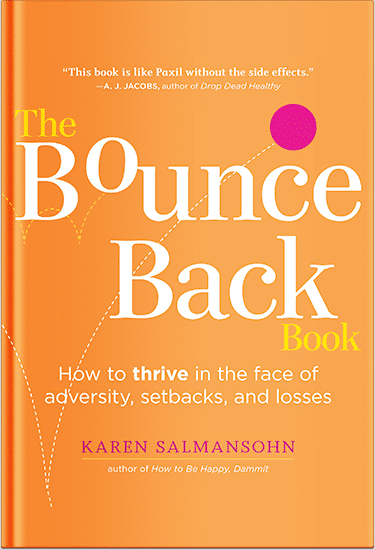
Please go to your inbox and click the confirmation link we just emailed you so you can start to get your free weekly NotSalmon Happiness Tools! Plus, you’ll immediately receive a chunklette of Karen’s bestselling Bounce Back Book!