 Midlife has a way of making you question your priorities. Perhaps you’ve spent years putting your career, family, or other responsibilities first. Now, you’re ready to make some changes. You want more adventures, better relationships, healthier habits, and time for the things that make you happy.
But there’s one part of personal reinvention that’s easy to overlook: your health.
Preventive healthcare is about understanding your body, addressing potential problems early, and making informed decisions that support the life you want to lead.
Here’s how to make it part of your everyday routine.
Health Is the Foundation for Meaningful Change
Making positive changes in midlife often starts with a simple question: What do I want the next chapter of my life to look like?
You might want to travel more, start a business, take up hiking, or spend more time doing something you love. Whatever your ambitions, feeling physically and mentally well can make pursuing them easier.
Unfortunately, health often slips down the priority list when life gets busy.
Preventive healthcare encourages a different approach. Instead of waiting until something feels wrong, you take practical steps to understand and maintain your wellbeing.
This might mean scheduling routine appointments, reviewing your lifestyle habits, or discussing changes you’ve noticed with a healthcare professional. It also means recognizing that your health needs may change as you get older.
Understanding what you need today puts you in a better position to pursue what matters tomorrow.
Stop Putting Your Own Healthcare Last
Between family commitments, demanding jobs, and everyday responsibilities, booking a medical appointment can feel like another task on an already crowded list.
However, consistently postponing your own healthcare can mean missing opportunities to address concerns before they become more complicated.
Start treating medical appointments as commitments worth keeping. A few practical changes can help:
- Schedule routine checkups: Ask your healthcare professional which screenings and appointments fit your age, health history, and individual risk factors.
- Keep track of changes: Note persistent symptoms, unusual discomfort, or changes in your energy levels.
- Review your medications: Discuss your prescriptions, supplements, and any side effects with a qualified professional.
- Prepare for appointments: Write down questions beforehand so you don’t forget important concerns.
Convenience also matters. Services such as 24hrDoc reflect how virtual consultations can offer another route to medical advice when visiting a clinic is difficult.
Pay Attention to the Small Health Problems You Usually Ignore
Preventive healthcare includes routine screenings, but it also involves responding appropriately when symptoms appear.
It’s tempting to dismiss an uncomfortable symptom when you have work deadlines, travel plans, or family commitments. You might tell yourself that the problem will disappear on its own.
Sometimes, however, seemingly minor symptoms need medical attention.
Urinary tract infections are one example. Symptoms can include a burning sensation when urinating, needing to urinate more frequently, or discomfort in the lower abdomen.
If you’re experiencing these symptoms, seeking timely medical advice can help you understand what might be happening and whether treatment is necessary. UTI treatment online from 24 Hr Doc offers a virtual care option to consider when you need urgent help.
Taking symptoms seriously doesn’t mean worrying about every minor ache. It means knowing when to seek advice rather than repeatedly postponing it.
Build Daily Habits That Support Your Future Self
Medical appointments are one part of self-care. Your everyday choices matter too.
The encouraging thing about a midlife reset is that you don’t have to change everything overnight. In fact, dramatic lifestyle overhauls can be difficult to maintain, especially when you’re balancing several responsibilities. Start with manageable habits that fit your current routine:
Make Movement Something You Enjoy
Exercise doesn’t have to mean spending hours at the gym. Walking, swimming, dancing, gardening, or cycling can all help you become more active.
Choose activities that suit your abilities and interests. You’re more likely to continue moving when it feels enjoyable rather than like another obligation.
Take Your Sleep Seriously
Staying up late to finish chores or catch up on work can become a difficult habit to break. Try establishing a consistent bedtime, reducing evening distractions, and creating a comfortable sleeping environment.
If sleep problems persist, talk to a healthcare professional rather than accepting exhaustion as an inevitable part of aging.
Make Room for Mental Wellbeing
A meaningful midlife reset should include your emotional health. Take time to consider what’s causing unnecessary stress. Perhaps you need firmer boundaries, more social connection, or fewer commitments. Even small adjustments can create room for activities that help you feel more like yourself.
Make Preventive Healthcare Part of Your Long-Term Plans
A midlife reset shouldn’t be something you abandon after a few enthusiastic weeks. Lasting change comes from making your new habits part of your daily life.
One approach is to create a simple personal health plan. It doesn’t need to be complicated or overly structured.
Think about three areas:
- Your current health: Are there symptoms, concerns, or overdue appointments you need to address?
- Your daily routine: Which habits would you like to improve over the coming months?
- Your future goals: What activities and experiences do you want your health to support?
Revisit these questions occasionally, particularly when your circumstances change.
Remember that preventive care is personal. Your medical history, family history, and individual circumstances should guide decisions about screenings and healthcare appointments. Avoid comparing your progress with someone else’s. Building healthier habits isn’t a competition, and your needs won’t necessarily match those of your friends or family.
Final Thoughts
Midlife offers an opportunity to reconsider what matters and start making choices that reflect the person you want to become. That might mean pursuing a long-forgotten ambition, changing your daily routine, or finally giving yourself permission to put your needs first.
Whatever your goals, preventive healthcare can help you approach this stage of life with greater awareness and confidence.
Start by reviewing your health priorities, arranging any appropriate checkups, and choosing one manageable habit to work on this week. You don’t need a perfect routine or a complete lifestyle transformation to make progress.
A bolder, more meaningful life begins with decisions that support your wellbeing today while leaving room for everything you still want to experience.
P.S. Before you zip off to your next Internet pit stop, check out these 2 game changers below - that could dramatically upscale your life.
1. Check Out My Book On Enjoying A Well-Lived Life: It’s called "Your To Die For Life: How to Maximize Joy and Minimize Regret Before Your Time Runs Out." Think of it as your life’s manual to cranking up the volume on joy, meaning, and connection. Learn more here.
2. Life Review Therapy - What if you could get a clear picture of where you are versus where you want to be, and find out exactly why you’re not there yet? That’s what Life Review Therapy is all about.. If you’re serious about transforming your life, let’s talk. Learn more HERE.
Think happier. Think calmer.
Think about subscribing for free weekly tools here.
No SPAM, ever! Read the Privacy Policy for more information.
One last step!
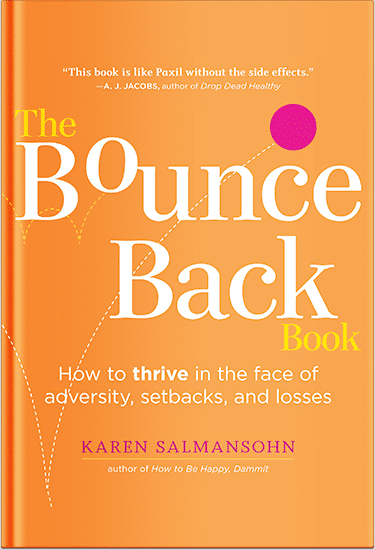
Please go to your inbox and click the confirmation link we just emailed you so you can start to get your free weekly NotSalmon Happiness Tools! Plus, you’ll immediately receive a chunklette of Karen’s bestselling Bounce Back Book!