
Get A Sneak Peek at my book “Your To-Die-For Life”!
Get a FREE sneak peek! Learn how to use Mortality Awareness as a wake up call to live more boldly.


 Small choices repeated daily can preserve strength, mobility, and energy far better than occasional bursts of intense effort. Healthy aging depends on many factors, including genetics and access to medical care, but your daily routine still shapes how well your body functions over time.
The most useful habits are rarely extreme. They support muscle, joints, sleep, nutrition, and recovery in ways you can sustain through busy weeks. Use the ideas below as a practical framework, then adjust them to your health, schedule and current fitness level. Speak with a qualified health professional before making major changes if you have a medical condition, pain, or mobility limits.
Willpower changes with stress, sleep, and workload. A routine reduces the number of decisions you need to make, so healthy actions can happen even when motivation is low. This is one reason healthy habits for longevity often focus on repeatable basics such as movement, nutritious food, sleep, and social connection.
Start by attaching a new behavior to something you already do. Take a 10-minute walk after lunch, perform five chair squats while coffee brews, or prepare tomorrow’s breakfast after cleaning up dinner. The existing activity becomes a cue, which makes the new habit easier to remember.
A written framework can help when you want to organize several changes without attempting all of them at once. The Ageless longevity guide offers lifestyle guidance around sleep, strength training, nutrition, and daily habit tracking. Choose one area to practice for two weeks before adding another.
Keep the minimum version of each habit easy. Your normal walk might last 30 minutes, but a difficult day’s minimum could be five. Maintaining the cue protects the routine until your schedule settles. These science-backed habits can also help you connect longevity goals with steadier daily energy, which makes consistency feel useful now instead of decades away.
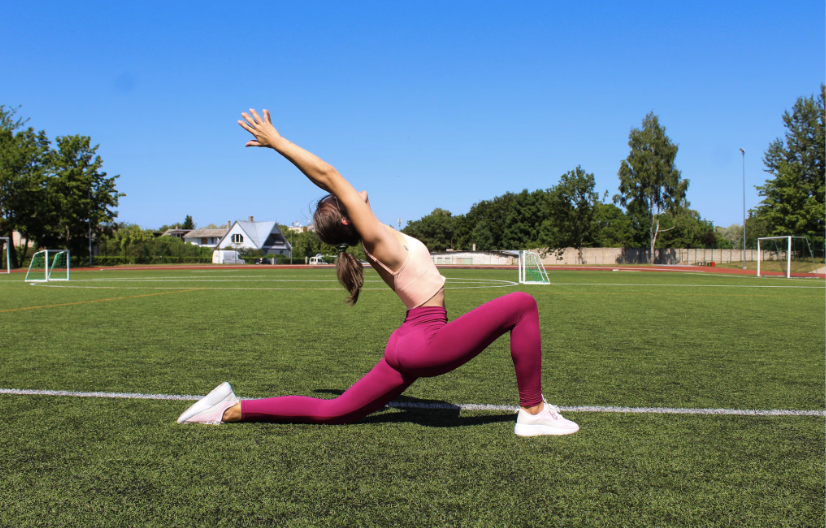 Build movement around strength, mobility, and regular low-intensity activity. Each type supports a different part of healthy aging. Strength training helps preserve the muscle needed for stairs, carrying groceries, and getting up from the floor. Mobility work maintains usable range of motion, while walking and similar activities support cardiovascular fitness.
Two or three strength sessions per week can cover the major movement patterns: squatting to a chair, pushing, pulling, hinging at the hips, carrying, and stabilizing the trunk. Begin with a load you can control through a comfortable range. Stop a set while your form remains steady instead of chasing exhaustion.
Use a short daily mobility sequence to address areas that often become stiff. Ankle circles, gentle hip rotations, shoulder reaches, and controlled upper-back turns can fit into five minutes. Mobility should feel smooth and manageable. Sharp pain, swelling, or a joint that repeatedly gives way calls for professional evaluation.
Movement spread across the day also matters. Set a reminder to stand every 30 to 60 minutes, walk during a phone call, or take the longer route through a building. Popular lists of younger-for-longer habits often include routine physical activity because consistency has more practical value than a demanding session followed by several inactive days.
Increase one variable at a time. Add a few repetitions, a small amount of resistance, or several minutes of walking, then give your body time to adapt.
Build meals around minimally processed foods that supply protein, fiber, and a range of vitamins and minerals. A straightforward plate might include vegetables on half the plate, a protein source on one quarter, and whole grains or another fiber-rich carbohydrate on the remaining quarter. Add a source of unsaturated fat such as nuts, seeds, avocado or olive oil when it suits the meal.
Protein becomes especially useful as you work to maintain muscle with age. Spread it across breakfast, lunch and dinner instead of saving most of it for one large evening meal. Eggs with whole-grain toast, yogurt with nuts, lentil soup or tofu with vegetables are practical options. Your ideal amount depends on body size, activity, and health, so anyone with kidney disease or another condition affecting nutrition should seek individual guidance.
Fiber supports digestion and helps meals feel satisfying. Increase it gradually through beans, berries, vegetables, oats, and whole grains, while drinking enough fluid. A sudden jump may cause discomfort.
You don’t need to label foods as perfect or forbidden. Use substitutions that can survive a normal week: fruit in place of a second dessert, sparkling water in place of a sugary drink, or roasted chickpeas in place of highly processed snacks. A collection of daily vitality habits shows how nutrition works alongside sleep, movement, and stress care. The combined pattern matters more than any fashionable ingredient.
Turn broad goals into actions with a clear frequency and trigger. “Improve fitness” leaves too much room for delay. “Walk for 20 minutes after lunch on Monday, Wednesday, and Friday” tells you exactly what to do.
Plan your week around a few anchors:
Make your environment support the plan. Place walking shoes beside the door, keep fruit visible, and charge your phone outside the bedroom if late scrolling affects sleep. These changes remove small points of friction that often derail good intentions.
Your structure should also allow for changes in capacity. During a demanding week, shorten a workout and keep the appointment. When energy returns, resume the full session. If fatigue persists, exercise performance drops suddenly, or everyday activity becomes unusually difficult, don’t push harder to compensate. Check in with a healthcare professional.
Many healthy aging habits span physical, mental, and social health. That wider view matters because regular contact with supportive people, preventive care, and meaningful activities can reinforce the eating, exercise, and sleep routines that protect daily function.
Exercise logs often track distance, weight, or minutes completed. Add recovery measures such as sleep quality, energy, muscle soreness, mood, and motivation to move. Rate each from one to five each morning and review patterns over several weeks.
One poor score after a late night rarely requires a major change, but several low scores may signal that your workload, training volume, or bedtime routine needs attention. If soreness persists and your usual walk feels harder, replace intense exercise with gentle movement and prioritize sleep.
Resting heart rate can offer additional insight when measured consistently. Small daily changes are normal, but persistent shifts accompanied by illness, dizziness, chest discomfort, or unusual shortness of breath warrant medical attention.
Recovery also depends on nutrition, hydration, and mental rest. Eat after demanding activity, drink according to thirst and conditions, and create a calming bedtime routine through reading or light stretching.
Review your notes weekly rather than reacting to every fluctuation. Consistent sleep, manageable exercise, and attention to recovery signals can support safer, more sustainable progress as you age.
P.S. Before you zip off to your next Internet pit stop, check out these 2 game changers below - that could dramatically upscale your life.
1. Check Out My Book On Enjoying A Well-Lived Life: It’s called "Your To Die For Life: How to Maximize Joy and Minimize Regret Before Your Time Runs Out." Think of it as your life’s manual to cranking up the volume on joy, meaning, and connection. Learn more here.
2. Life Review Therapy - What if you could get a clear picture of where you are versus where you want to be, and find out exactly why you’re not there yet? That’s what Life Review Therapy is all about.. If you’re serious about transforming your life, let’s talk. Learn more HERE.
Think about subscribing for free weekly tools here.
No SPAM, ever! Read the Privacy Policy for more information.