 Walk through any wellness-minded corner of Los Angeles, from sunrise Pilates in Santa Monica to the red-light and cold-plunge studios that keep popping up across the Westside, and you will notice that the conversation about aging has changed. In Beverly Hills, that shift is showing up in consultation rooms too. Fewer people say, “I want to look twenty-five again.” Most say, “I want to look rested, healthy, and like myself.” That small change in wording is quietly reshaping how people think about facelifts.
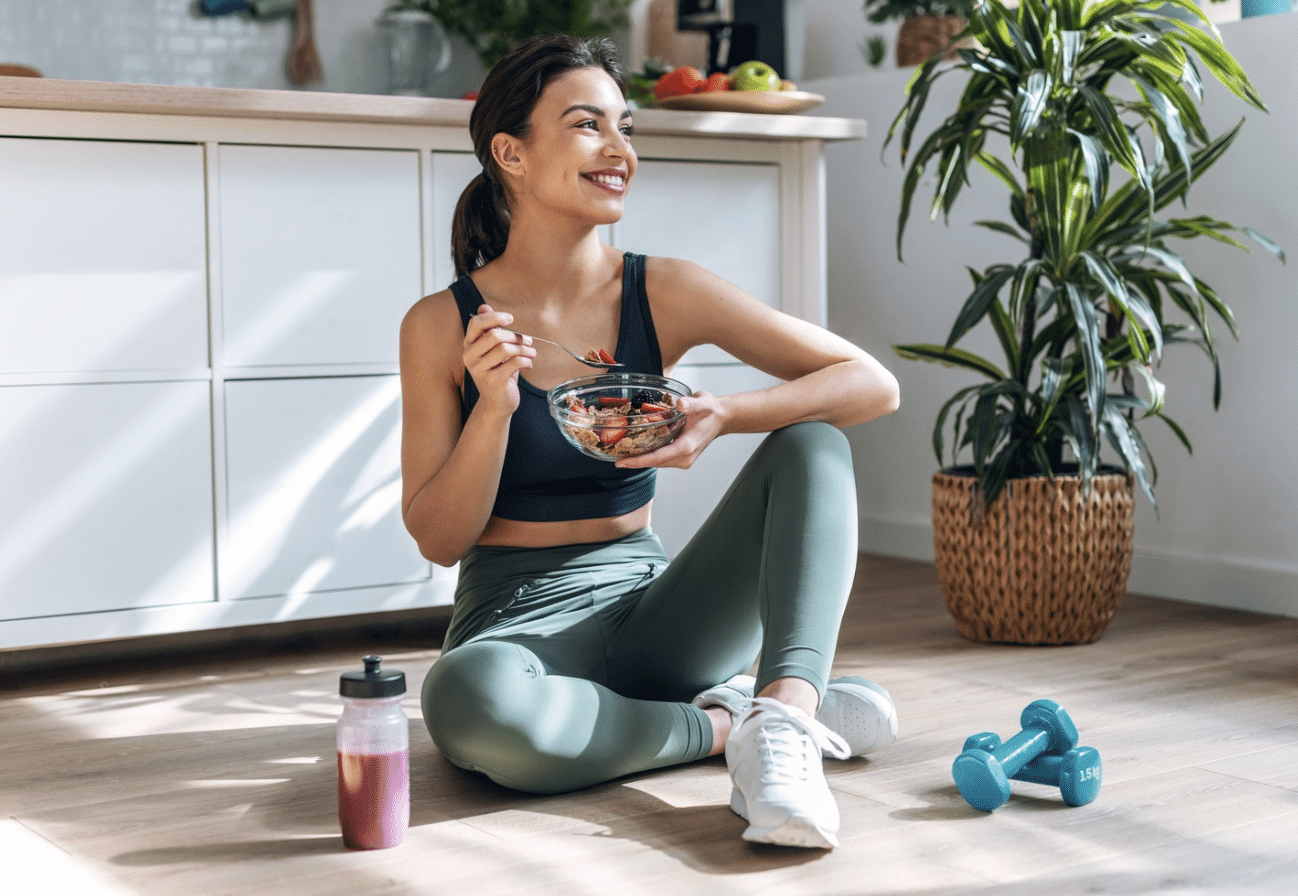
Today, looking good is increasingly connected to feeling good. People are investing in better sleep, balanced nutrition, stress management, skincare, and fitness as part of a more holistic approach to aging. Naturally, they are beginning to view cosmetic procedures through the same lens, looking for results that complement their lifestyle rather than dramatically change their appearance.
From Fighting Age to Supporting It
A decade ago, a facelift was often framed as a dramatic fix, something you did in secret and hoped nobody noticed. Today’s wellness culture treats appearance as one piece of a bigger picture that includes sleep, nutrition, movement, stress, and skin health. People who already invest in strength training, quality sleep, and sunscreen tend to approach surgery the same way they approach everything else: with research, patience, and a long-term view.
This is a healthy development. When someone sees a facelift as part of an overall plan to feel good as they get older, rather than a panic response to a mirror, they usually ask better questions. They want to know how long recovery really takes, what the surgery will and will not change, and how it fits with the habits they already have.
What Wellness-Minded Patients Are Asking For
The goals people bring to a first consultation have become more specific, and more modest in the best sense of the word. Common themes include:-
- A natural, rested look. Patients want friends to say they look well, not that they look “done.”
- Subtle change over dramatic change. The aim is to soften jowls and neck laxity while keeping expression and character intact.
- Longevity. People would rather invest once in a thoughtful procedure than chase small touch-ups every few months.
- A safe, well-planned recovery. Many ask about downtime, sleep positioning, nutrition, and when they can return to workouts.
Notice what is missing from that list: comparison with celebrities and demands for a specific “look.” Wellness thinking tends to push people toward their own baseline, which makes for more realistic conversations.
Why Technique Matters More Than Ever
If the goal is a natural result that lasts, the surgical approach matters. Traditional skin-only lifts can leave a tight, pulled appearance because the tension sits on the skin itself. A deep plane technique works differently. It repositions the deeper facial tissue layers together, so the lift comes from structure rather than skin tension, which many surgeons feel produces smoother, more natural contours along the jawline and cheeks.
Patients who are weighing options often look for a deep plane facelift in Beverly Hills by Dr. Michelle Lee because they want a surgeon who talks openly about technique, realistic outcomes, and recovery rather than promising a transformation. A good consultation should feel like a conversation about your face, your health history, and your priorities, not a sales pitch. Bring your questions, and expect your surgeon to explain why they would recommend one approach over another for your anatomy.
The Numbers Behind the Shift
The wellness mindset is not just a social media trend. Coverage of the American Society of Plastic Surgeons‘ 2024 statistics report notes that facelift procedures rose by 1 percent in 2024, with more patients in their 30s and 40s opting for surgery. Steady growth alongside a younger, more proactive patient group fits neatly with a wellness approach built on planning and prevention rather than impulse.
A Wellness-Friendly Way to Prepare
If you are considering a facelift, treat the process like any other health decision. A few practical steps help:-
- Start with your overall health. Be honest about medications, supplements, smoking or vaping, and chronic conditions, since all of these affect healing.
- Check credentials. Look for board certification in plastic surgery and a surgeon who performs the procedure regularly.
- Look at real results. Ask to see before-and-after photos of patients with a similar age and facial structure to yours.
- Plan your recovery. Arrange time off, help at home, and a calm environment. Rest is part of the treatment.
- Keep your skincare and lifestyle habits. A facelift does not replace sun protection, good sleep, or healthy eating; those habits help protect the result.
You do not need to rush any of this. The best outcomes usually come from people who gave themselves time to think.
Conclusion
Wellness trends have changed the tone of the facelift conversation from “erase my age” to “help me look as well as I feel,” and that is a good thing for patients. When people focus on natural results, thoughtful technique, and a well-prepared recovery, they tend to feel happier with their decisions.
If you are curious about a facelift, take your time, ask plenty of questions, and choose a surgeon who listens as carefully as they operate. The goal is not a different face; it is a refreshed version of the one you already know.
P.S. Before you zip off to your next Internet pit stop, check out these 2 game changers below - that could dramatically upscale your life.
1. Check Out My Book On Enjoying A Well-Lived Life: It’s called "Your To Die For Life: How to Maximize Joy and Minimize Regret Before Your Time Runs Out." Think of it as your life’s manual to cranking up the volume on joy, meaning, and connection. Learn more here.
2. Life Review Therapy - What if you could get a clear picture of where you are versus where you want to be, and find out exactly why you’re not there yet? That’s what Life Review Therapy is all about.. If you’re serious about transforming your life, let’s talk. Learn more HERE.
Think happier. Think calmer.
Think about subscribing for free weekly tools here.
No SPAM, ever! Read the Privacy Policy for more information.
One last step!
Please go to your inbox and click the confirmation link we just emailed you so you can start to get your free weekly NotSalmon Happiness Tools! Plus, you’ll immediately receive a chunklette of Karen’s bestselling Bounce Back Book!