 Recovering from surgery involves more than simply resting. Patients may need to adjust their diets, limit certain activities, care for surgical incisions, and attend follow-up appointments. Understanding what to expect can make the healing process less stressful and help patients prepare for a smoother transition back to everyday life.
Although recovery varies depending on the procedure and individual health, knowing the basics of postoperative care can help patients make informed decisions. Here are ten common surgeries and practical recovery tips to keep in mind.
1. Spine Surgery: Give Your Back the Care It Needs
Spine surgery may be recommended for certain conditions that do not respond adequately to nonsurgical treatments. Procedures such as spinal decompression and spinal fusion have different recovery requirements, so following the surgeon’s instructions is essential.
Ortega Spine – Brandon A. Ortega, MD is featured here for readers exploring spine care and surgical treatment options. After surgery, patients may need to limit bending, twisting, and lifting while gradually returning to normal activities.
Incision care is another important consideration. Understanding when you can start showering again after surgery helps you protect the surgical site and reduce the risk of complications. Follow your surgeon’s specific instructions about dressings, water exposure, and wound care rather than assuming that showering is safe immediately.
2. Gallbladder Removal: Eat Well While Your Body Adjusts
Gallbladder removal, also known as cholecystectomy, is commonly performed to treat gallstones and related complications. After the procedure, some patients experience temporary digestive changes as their bodies adjust to functioning without the gallbladder.
Knowing what to eat after gallbladder removal can make mealtimes easier during early recovery. Smaller, more frequent meals and lower-fat foods may be better tolerated initially. Lean proteins, cooked vegetables, fruits, and whole grains can help provide essential nutrients as patients gradually return to their usual diets.
Timely Medical Alternatives is included as a resource for readers exploring medical treatment options. Patients should confirm the organization’s available services and seek personalized dietary guidance from their healthcare providers, especially if digestive symptoms persist.
3. Knee Replacement: Take Recovery One Step at a Time
Knee replacement surgery can relieve pain and improve mobility for people with significant joint damage. However, regaining strength and flexibility requires patience and consistent rehabilitation.
Physical therapy often plays a central role in recovery. Patients may need walking aids initially and should complete prescribed exercises according to their rehabilitation plan. Gradually increasing activity, managing discomfort, and attending follow-up appointments can support progress. Avoid pushing through significant pain or returning to strenuous activities before receiving medical clearance.
4. Hip Replacement: Rebuild Strength and Confidence
Hip replacement surgery can improve movement and reduce pain associated with severe arthritis or other joint conditions. Recovery typically involves learning to move safely, gradually increasing walking time, and participating in prescribed rehabilitation.
Patients should follow instructions about mobility aids, positioning, and activity restrictions. Preparing the home by removing tripping hazards and keeping essential items within reach can also make daily tasks easier during the initial recovery period.
5. Hernia Repair: Avoid Putting Too Much Strain on Your Body
Hernia repair involves correcting a weakness or opening in the abdominal wall or groin. Following surgery, patients may experience soreness around the incision and need time to regain their usual activity levels.
Keeping the incision clean, taking medications as directed, and following lifting restrictions are important recovery steps. The appropriate time to resume exercise, heavy lifting, and physically demanding work depends on the type of repair and the surgeon’s recommendations.
6. Appendectomy: Ease Back Into Everyday Activities
An appendectomy removes an inflamed or infected appendix. Recovery depends on whether the operation was performed laparoscopically or through an open incision, as well as whether complications occurred.
Patients should get adequate rest while gradually incorporating gentle movement as advised. Monitoring the incision and following discharge instructions can help support healing. Worsening abdominal pain, fever, or increasing redness around the wound should prompt medical advice.
7. Cataract Surgery: Give Your Eyes Time to Heal
Cataract surgery replaces a cloudy lens with an artificial one to improve vision. Although many patients recover relatively quickly, proper aftercare remains important.
Use prescribed eye drops as directed and follow instructions about eye protection, bathing, and strenuous activity. Avoid rubbing the operated eye, and attend scheduled follow-up visits. Contact your eye care professional if vision worsens unexpectedly or you develop significant pain.
8. C-Section: Make Rest and Support a Priority
A cesarean section involves delivering a baby through surgical incisions in the abdomen and uterus. Recovery includes healing from surgery while adjusting to caring for a newborn.
Patients should follow wound-care instructions, take prescribed medications appropriately, and gradually increase movement. Accepting help with household tasks and childcare can reduce unnecessary strain. Seek prompt medical advice for fever, worsening pain, heavy bleeding, or signs of wound infection.
9. Hysterectomy: Give Your Body Time to Recover
A hysterectomy removes the uterus and may be recommended for various gynecological conditions. Recovery varies depending on the reason for surgery and whether the procedure is abdominal, vaginal, or laparoscopic.
Patients may experience fatigue and discomfort while healing. Following activity restrictions, avoiding lifting when advised, and attending follow-up appointments can help support recovery. Ask your healthcare provider when it is appropriate to resume work, exercise, and other regular activities.
10. Tonsillectomy: Stay Hydrated and Follow Your Care Plan
Tonsillectomy involves removing the tonsils, often to address recurring infections or other medical concerns. A sore throat and discomfort when swallowing are common during recovery.
Drinking fluids, taking recommended pain medication, and following dietary instructions can help patients manage the healing period. Rest is also important, and strenuous activity should be avoided until the healthcare provider says it is safe. Significant bleeding after tonsillectomy requires urgent medical attention.
Make Your Recovery a Priority
Every surgical procedure comes with different recovery needs. Whether you are preparing for spine surgery, gallbladder removal, or another operation, understanding aftercare can help you feel more prepared. Follow your healthcare team’s instructions, attend follow-up appointments, and seek medical advice whenever symptoms cause concern.
P.S. Before you zip off to your next Internet pit stop, check out these 2 game changers below - that could dramatically upscale your life.
1. Check Out My Book On Enjoying A Well-Lived Life: It’s called "Your To Die For Life: How to Maximize Joy and Minimize Regret Before Your Time Runs Out." Think of it as your life’s manual to cranking up the volume on joy, meaning, and connection. Learn more here.
2. Life Review Therapy - What if you could get a clear picture of where you are versus where you want to be, and find out exactly why you’re not there yet? That’s what Life Review Therapy is all about.. If you’re serious about transforming your life, let’s talk. Learn more HERE.
Think happier. Think calmer.
Think about subscribing for free weekly tools here.
No SPAM, ever! Read the Privacy Policy for more information.
One last step!
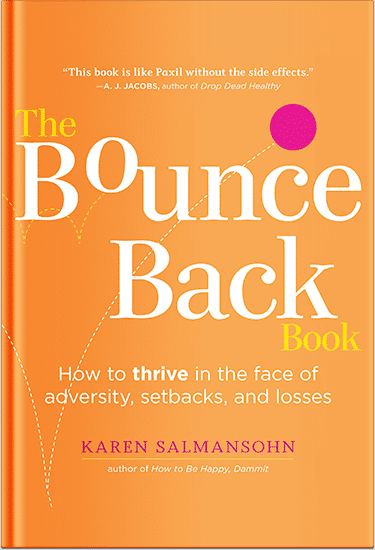
Please go to your inbox and click the confirmation link we just emailed you so you can start to get your free weekly NotSalmon Happiness Tools! Plus, you’ll immediately receive a chunklette of Karen’s bestselling Bounce Back Book!