 Small lapses can shape a customer’s opinion of your business long before they comment, complain or leave a review. A sticky counter, an unanswered email or an overflowing washroom bin may seem minor during a busy day.
To a visitor, each one reveals something about your standards.
Details influence trust because customers use visible clues to judge the work they cannot see. The solution is to treat recurring irritations as useful evidence, assign clear responsibility and fix the systems allowing them to return.
The Domino Effect of Overlooked Issues
One neglected issue often creates several more. A broken soap dispenser frustrates customers, increases complaints and takes employees away from their usual tasks. If it remains unresolved, photos or critical reviews may then spread the problem beyond the premises.
The cost of customer neglect also includes lost loyalty and the extra effort required to win somebody back. Record small faults in a shared log, noting the location, owner and repair deadline. Review repeat problems each week. Three complaints about the same area indicate a process failure, even if staff resolved each case individually.
Permit employees to report concerns without blame. Early reports are cheaper and easier to handle than public complaints.
Customer Experience Beyond the Obvious
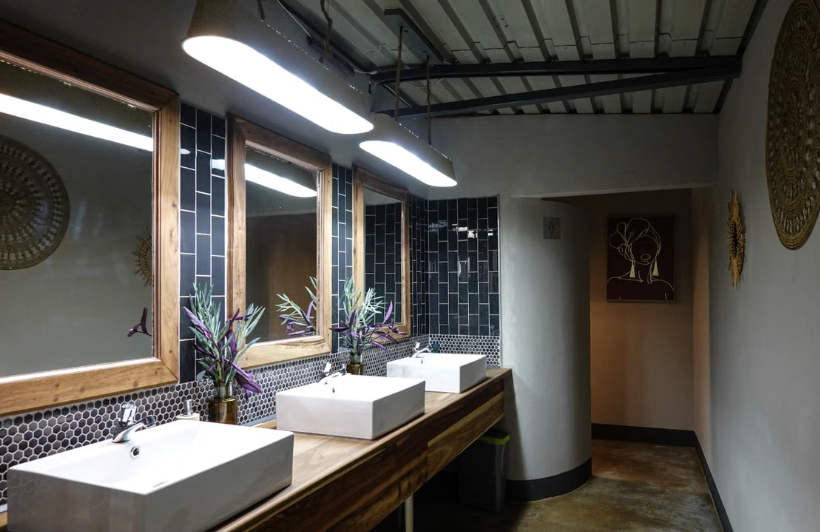
Customers notice the full experience, including spaces and processes that receive little attention during a typical sales meeting. Washrooms, corridors, waiting areas and payment screens all contribute to their impression of your organisation.
Check these touchpoints at set times instead of relying on somebody to notice a problem. For workplaces with specialist sanitary, nappy or offensive waste, arranging professional hygiene waste disposal can establish reliable collection routines and suitable handling.
Look at the experience through a visitor’s eyes once a month. Follow the route from the entrance to the main service area and washroom, checking signs, lighting, odours and supplies. The guidance on signs of true hygiene in hospitality offers further practical points that apply to many customer-facing settings.
Keeping Hygiene Standards Consistent
Start with a written schedule covering inspections, collection and cleaning. Each task needs a named owner and a backup person, especially during holidays or busy periods. A vague instruction such as “check regularly” leaves too much room for different interpretations.
Bins should suit their location, remain easy to use and never obstruct access. Staff also need a simple route for reporting damaged containers, missed collections or unusual volumes. Keep collection records so managers can identify pressure points. If a washroom bin repeatedly nears capacity on Friday afternoons, for example, adjust the schedule before the problem becomes visible to customers.
Include these checks in staff induction and refresher training. Consistent routines protect privacy, cleanliness and the professional impression customers expect.
Building Trust Through Attention to Detail
Trust grows when the experience matches the promise. If a company describes itself as responsive but takes five days to answer an enquiry, polished branding won’t repair that mismatch. The same applies when customer areas look smart but basic supplies are frequently missing.
Effective reputation management begins with operational habits. Track response times, recurring complaints, missed checks and maintenance delays. Managers can then act on patterns instead of relying on isolated feedback.
When something goes wrong, acknowledge it plainly, explain the correction and confirm when the work is complete. Customers tend to remember a clear and respectful response. The strongest reputation comes from making care visible in ordinary moments, from a stocked dispenser to a message answered when promised.
Choose one frequently overlooked customer area and inspect it at different times over the next working week. The details you find there may explain reviews, complaints or lost repeat business more clearly than a broad customer survey ever could.
P.S. Before you zip off to your next Internet pit stop, check out these 2 game changers below - that could dramatically upscale your life.
1. Check Out My Book On Enjoying A Well-Lived Life: It’s called "Your To Die For Life: How to Maximize Joy and Minimize Regret Before Your Time Runs Out." Think of it as your life’s manual to cranking up the volume on joy, meaning, and connection. Learn more here.
2. Life Review Therapy - What if you could get a clear picture of where you are versus where you want to be, and find out exactly why you’re not there yet? That’s what Life Review Therapy is all about.. If you’re serious about transforming your life, let’s talk. Learn more HERE.
Think happier. Think calmer.
Think about subscribing for free weekly tools here.
No SPAM, ever! Read the Privacy Policy for more information.
One last step!
Please go to your inbox and click the confirmation link we just emailed you so you can start to get your free weekly NotSalmon Happiness Tools! Plus, you’ll immediately receive a chunklette of Karen’s bestselling Bounce Back Book!