 How to take a real sick day: what to tell your boss, an out-of-office template, how to log off, when to see a doctor, and when to go back.
You finally did it. You admitted you were too sick to work, sent the message, and crawled back into bed. Then you spent the next six hours answering messages, checking your inbox and apologizing for being out. By evening you felt worse, and you had not really rested at all.
A sick day only works if you use it to get better. That sounds obvious, but for anyone who is used to being reliable, switching off is its own skill. Here is how to do it well, from the first message in the morning to the first day back.
Make the Call Early and Keep It Short
Tell your manager as early as you can, in one message, through whatever channel your workplace uses. You do not owe anyone a detailed description of your symptoms. Something like this is enough: “I’m sick today and won’t be able to work. I’ll check in tomorrow morning about how I’m doing.”
If your workplace asks for a doctor’s note, deal with it early so it is not hanging over your day. You do not need to drag yourself to a clinic to get one. Services such as SickSlip offer a doctor’s note online, with a licensed physician reviewing your symptoms from home and, when it is medically appropriate, issuing a signed note the same day. Once that is done, the administrative part of being sick is over, and the rest of the day belongs to your recovery.
Set Up Your Out-of-Office in Two Minutes
A clear auto-reply stops the flood of follow-ups before it starts. Keep it simple:
“I’m out sick today and not checking messages. For anything urgent, please contact [name]. I’ll respond when I’m back.”
Update your status on any chat tools your team uses, and if you can, name one colleague who can field urgent questions. You are not abandoning your work. You are making sure it is handled while you are not able to handle it.
Silence Work, Not Your Health
Turn off work notifications for the day, or sign out of work apps on your phone entirely. Every ping pulls your attention back to your to-do list and away from your body. Keep your phone on for the things that matter today: your doctor, your pharmacy and the people taking care of you.
It helps to decide in advance what would justify checking in, such as a true emergency that only you can solve. If it is not on that short list, it can wait until you are well.
Give Your Body the Basics
Rest is the treatment, so treat it seriously:
- Sleep more than usual. The CDC says adults need seven or more hours of sleep a night, and it lists getting sick less often among the benefits of enough sleep. When you are unwell, naps count too.
- Drink fluids steadily. Water, broth and warm drinks help, especially with a fever.
- Eat simple food. Something easy on your stomach is better than skipping meals.
- Limit screens. An afternoon of scrolling is not the same as rest, even if you are lying down.
Let Someone Help
People who are used to handling everything often find it hardest to accept help. A sick day is a good time to practice. Ask a partner, friend or neighbor to pick up a prescription or groceries, lean on delivery if you can, and let the laundry and the dishes wait. If you are a parent, trade school pickup with another family for the day. Accepting help is not a failure of independence. It is how you get back on your feet faster, and it gives the people who care about you a way to show it.
Know When Rest Is Not Enough
Most colds and stomach bugs improve with rest at home, but some symptoms need medical attention. The CDC’s emergency warning signs of flu complications in adults include difficulty breathing or shortness of breath, persistent pain or pressure in the chest or abdomen, persistent dizziness or confusion, not urinating, severe weakness, and a fever or cough that improves and then returns or gets worse. If you notice any of these, get medical care rather than waiting it out.
Go Back When You Are Ready, Not When You Feel Guilty
Guilt is a poor clock. For respiratory illnesses such as colds and flu, the CDC’s guidance is to go back to normal activities once your symptoms have been improving for at least 24 hours and you have had no fever without fever-reducing medication. For the next five days, take added precautions around others, such as good hygiene, cleaner air or a well-fitted mask.
Ease back in if you can. Start with the most important tasks, and give yourself permission to catch up over a few days rather than all at once.
You Are Allowed to Be Sick
Being dependable does not mean being available every hour of every day. A real sick day, one where you actually rest, is how you get back to being the person your team relies on. Send the message, set the auto-reply, handle the note, and then let yourself get better.
P.S. Before you zip off to your next Internet pit stop, check out these 2 game changers below - that could dramatically upscale your life.
1. Check Out My Book On Enjoying A Well-Lived Life: It’s called "Your To Die For Life: How to Maximize Joy and Minimize Regret Before Your Time Runs Out." Think of it as your life’s manual to cranking up the volume on joy, meaning, and connection. Learn more here.
2. Life Review Therapy - What if you could get a clear picture of where you are versus where you want to be, and find out exactly why you’re not there yet? That’s what Life Review Therapy is all about.. If you’re serious about transforming your life, let’s talk. Learn more HERE.
Think happier. Think calmer.
Think about subscribing for free weekly tools here.
No SPAM, ever! Read the Privacy Policy for more information.
One last step!
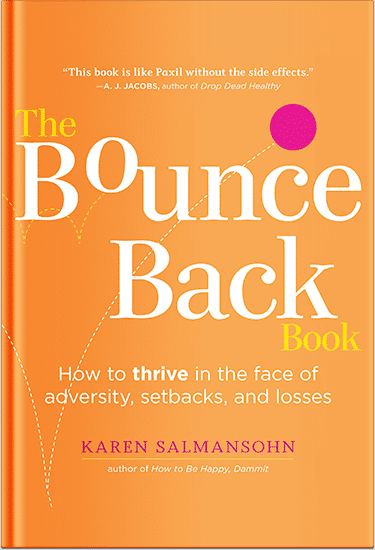
Please go to your inbox and click the confirmation link we just emailed you so you can start to get your free weekly NotSalmon Happiness Tools! Plus, you’ll immediately receive a chunklette of Karen’s bestselling Bounce Back Book!