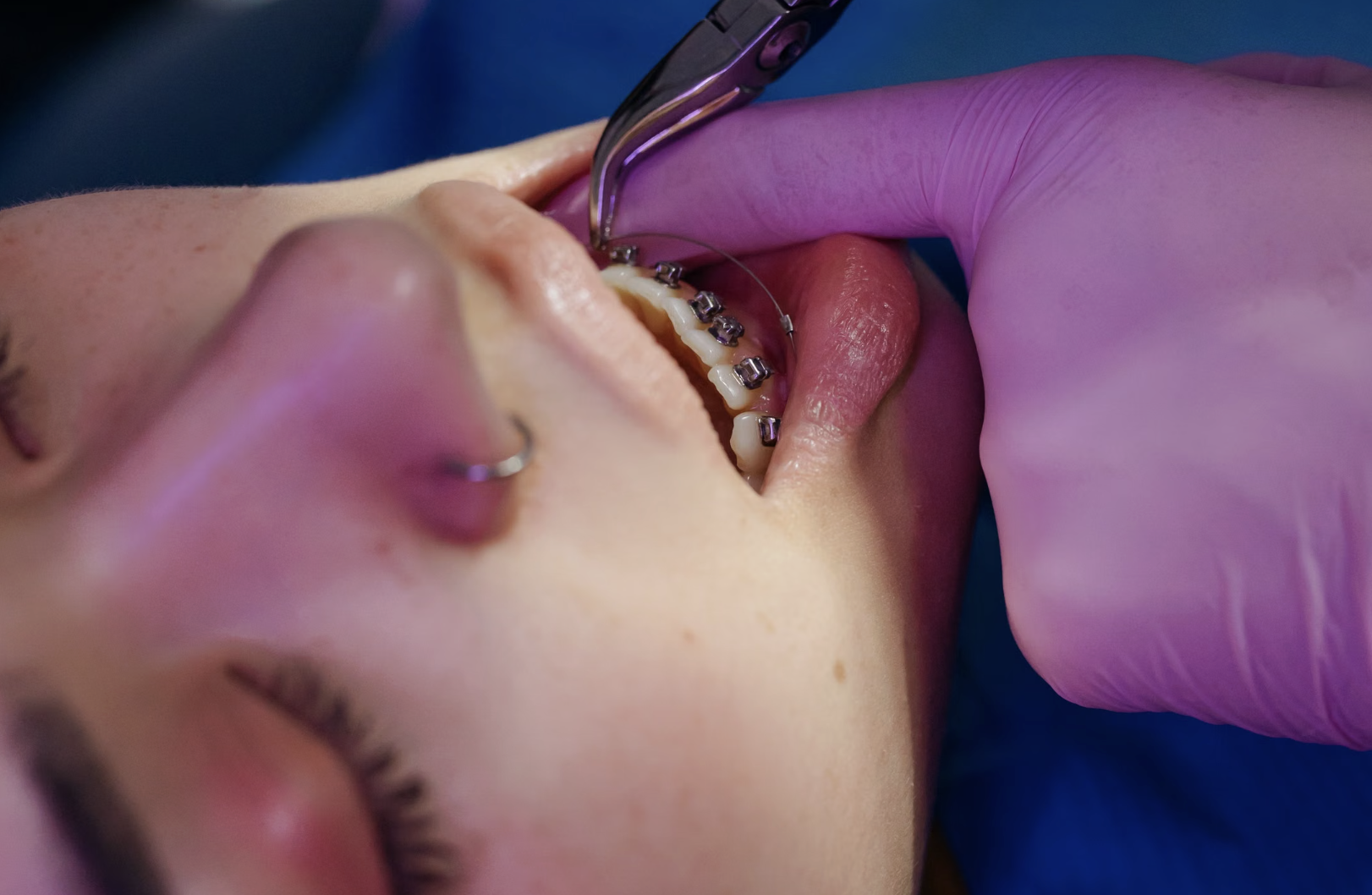
 If you’re thinking about straightening your teeth, you’re dealing with more than appearance. Orthodontic treatment can affect how you chew, clean your teeth, speak, and feel when you smile. If you live near Pittsford, you also have a practical advantage: access to a community where dental and specialty care are easy to compare, schedule, and revisit over time. A good treatment decision usually comes down to timing, goals, cost, and knowing what daily life with braces or aligners actually looks like.
Timing matters more than most people expect
A lot of people assume orthodontics is either for middle schoolers or adults having a life reset. In reality, there’s a wide range. Kids may get evaluated early to spot jaw development issues. Teens often start treatment when most permanent teeth are in. Adults can begin at almost any age if their teeth and gums are healthy enough.
What changes with age isn’t whether treatment is possible. It’s often how the process is planned.
You may need to think about:
– Growth and jaw development in younger patients
– Work, school, or sports schedules
– Existing crowns, fillings, or gum issues
– Patience with a treatment timeline that may last many months
If you’re exploring orthodontic care in Pittsford, local convenience matters more than it sounds. Orthodontic treatment involves regular visits, adjustments, and check-ins. A shorter drive can make staying consistent much easier.
Start with the reason you want treatment
You’ll get more out of orthodontic treatment when you know what you’re trying to fix. Maybe your teeth feel crowded. Maybe your bite is off and chewing feels awkward. Maybe you’re tired of hiding your smile in photos. All of those are valid reasons.
Orthodontics isn’t only cosmetic. It can help with:
– Overbites and underbites
– Crowding and spacing
– Jaw alignment issues
– Teeth that are harder to clean because they overlap
– Wear caused by an uneven bite
A simple example: if one tooth sits behind the others, flossing around it can feel like threading a needle in a moving car. Over time, that can raise your risk of plaque buildup and gum irritation.
Your goals matter because they shape the treatment plan. Some people need a small correction. Others need a more structured, longer-term approach.
Know the main treatment options before you commit
You’ve probably heard people use “braces” as a catch-all term, but treatment comes in different forms. The right option depends on your bite, age, habits, and how much structure your teeth need.
The most common choices include:
– Traditional metal braces
– Ceramic braces that are less noticeable
– Clear aligners
– Retainers for minor movement or post-treatment maintenance
Clear aligners look convenient, and they often are. You can remove them to eat and brush, which many people love. Still, they only work well if you actually wear them as directed. If you tend to lose water bottles, hoodies, and chargers on a weekly basis, removable trays may require extra discipline.
Braces are more hands-on from a clinical standpoint and can handle complex movement very effectively. They’re visible, sure, but they don’t rely on your memory in the same way.
Daily life with orthodontic treatment is manageable, but not effortless
This part deserves honesty. Orthodontic treatment is not dramatic, but it does ask for cooperation. You’ll need to adjust routines, especially in the first few weeks.
With braces, some foods become bad ideas very quickly. Hard candy, sticky caramel, and popcorn kernels have a talent for creating unnecessary chaos. With aligners, the routine is different but still demanding. You need to remove them before eating, keep them clean, and brush before putting them back in.
Expect a learning curve with:
– Soreness after adjustments or tray changes
– Longer brushing and flossing sessions
– Food restrictions with braces
– Wearing aligners for the required hours each day
– Keeping up with appointments
Most people adapt faster than they expect. The first few days can feel awkward. Then your mouth, and your schedule, usually settle down.
Cost is important, but value is the better question
Orthodontic treatment can be expensive, and pretending otherwise would be pointless. Still, the cheapest option isn’t always the best one for your case. A better question is what you’re getting for the cost.
Look at the full picture:
– Diagnostic records and imaging
– Length of treatment
– Type of appliance
– Follow-up visits
– Retainers after treatment
– Payment plans or insurance coordination
A low upfront quote may leave out pieces that matter later. Ask direct questions. Are retainers included? What happens if treatment takes longer than expected? How often will you need visits?
Also think about the cost of poor fit. If a treatment plan doesn’t match your actual bite problem, delays and extra corrections can become more expensive than choosing carefully from the beginning.
Your consultation should feel specific, not scripted
A good orthodontic consultation should leave you better informed, not just impressed. You want clear explanations, realistic expectations, and a plan that sounds tailored to your mouth rather than copied from a brochure.
Pay attention to whether the provider explains:
– What problem they see in your bite or alignment
– Which treatment options fit your case
– How long treatment may take
– What responsibilities fall on you
– What results are realistic
It helps to ask practical questions, not just big-picture ones. What will eating be like? What happens if a bracket breaks? How often do retainers need replacing? Those details shape your day-to-day experience.
If the answers feel vague, rushed, or overly polished, that’s useful information. Good care often sounds calm, clear, and a little unglamorous. That’s a compliment. Teeth move through biology, not marketing magic.
After treatment, retention is the part you can’t ignore
A lot of people treat the end of active orthodontic treatment like crossing a finish line. It’s closer to moving from one phase into another. Once teeth shift into new positions, they need help staying there.
That’s where retainers come in. Skip them, and teeth can gradually drift. Not always dramatically, but enough to undo progress you spent months or years achieving.
Retention usually involves:
– Wearing retainers on a schedule your orthodontist gives you
– Keeping retainers clean and stored properly
– Replacing them if they crack, warp, or get lost
– Returning for follow-up checks when recommended
Think of retainers as maintenance, not punishment. They protect the investment of time, money, and effort you already made.
If you want the smartest approach, don’t focus only on getting teeth straight. Focus on keeping them that way in real life, after the novelty wears off and regular routines take over.
P.S. Before you zip off to your next Internet pit stop, check out these 2 game changers below - that could dramatically upscale your life.
1. Check Out My Book On Enjoying A Well-Lived Life: It’s called "Your To Die For Life: How to Maximize Joy and Minimize Regret Before Your Time Runs Out." Think of it as your life’s manual to cranking up the volume on joy, meaning, and connection. Learn more here.
2. Life Review Therapy - What if you could get a clear picture of where you are versus where you want to be, and find out exactly why you’re not there yet? That’s what Life Review Therapy is all about.. If you’re serious about transforming your life, let’s talk. Learn more HERE.
Think happier. Think calmer.
Think about subscribing for free weekly tools here.
No SPAM, ever! Read the Privacy Policy for more information.
One last step!
Please go to your inbox and click the confirmation link we just emailed you so you can start to get your free weekly NotSalmon Happiness Tools! Plus, you’ll immediately receive a chunklette of Karen’s bestselling Bounce Back Book!