
Get A Sneak Peek at my book “Your To-Die-For Life”!
Get a FREE sneak peek! Learn how to use Mortality Awareness as a wake up call to live more boldly.


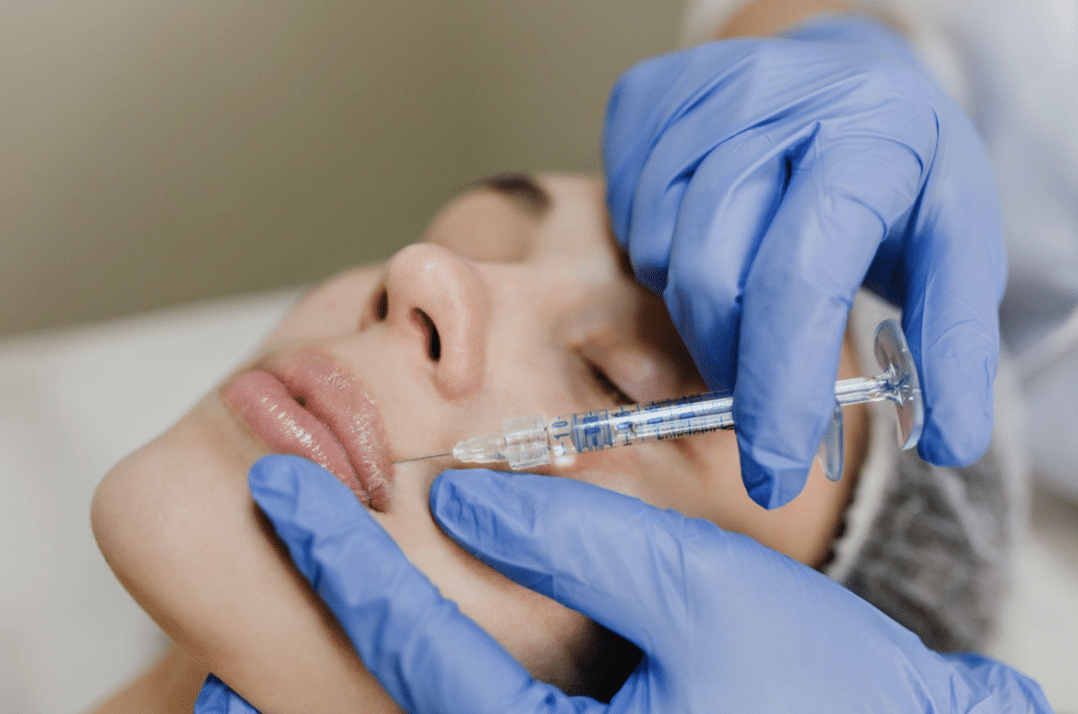 Botox has been part of cosmetic medicine for more than two decades, but the way it is used today looks quite different from how it looked five years ago. The treatment itself has not changed. It is still the same trusted neuromodulator that relaxes targeted muscles to soften lines.
According to the American Society of Plastic Surgeons, neuromodulator treatments such as Botox rose four percent year over year in 2024, keeping it in place as the most widely used minimally invasive cosmetic procedure in the country.
What has changed is the approach behind it: how much product is used, who is choosing to get treated, and what result patients actually expect to see once the swelling settles. This is especially true in a market like Manhattan, where access to experienced injectors makes it easier to benefit from these newer methods. If you are thinking about trying Botox for the first time, or returning after some time away, understanding these shifts can help you set realistic expectations.
Several noticeable shifts have taken shape in Botox treatment over the last five years, changing both how it is administered and who chooses to receive it. None of these changes involve a new drug or formula. Instead, they reflect a more thoughtful way of applying a treatment that has been around for a long time.
Providers now spread smaller amounts of product across more injection points instead of using larger amounts in just a few areas. This approach allows for finer control over how each muscle responds to treatment. The result is a more even, deliberate look rather than one shaped by a handful of concentrated injections.
More patients in their late twenties and early thirties are starting Botox before deep lines have had time to form. This shift reflects a change in mindset, from correcting visible aging to slowing it down early. Providers now treat prevention as a legitimate starting point rather than something reserved for older patients.
Softening lines has replaced removing all facial expression as the main goal of treatment. Providers pay closer attention to how a patient’s face moves before deciding where and how much product to use. This has made results feel more like a refreshed version of someone’s face rather than a noticeably altered one.
Men now make up a steadily growing share of patients seeking Botox treatment. Their reasons often extend beyond wrinkles to include jaw tension, teeth grinding, and excessive sweating. This broader range of goals has pushed providers to offer more varied consultations rather than a single standard approach.
Providers today have a clearer picture of how facial muscles connect and work together. This knowledge allows them to plan injection points with far greater accuracy than before. It also reduces the guesswork that once led to uneven or less predictable results.
With so many of these changes relying on precision rather than a fixed formula, the skill of the injector plays a bigger role than it used to. Smaller doses spread across more points leave less room for error, which means an experienced provider is better equipped to judge exactly where and how much product a treatment truly needs.
This is part of why an experienced provider now matters just as much as the treatment itself.
If you are exploring options for botox in Manhattan, prioritize a provider who treats your features and goals as unique rather than following a standard plan.
Clinics such as StudioMD have built their approach around this kind of personalized planning rather than treating every patient the same way.
These shifts matter because they directly affect how comfortable and satisfied patients feel with their results. Smaller, more careful treatment has turned Botox into a less intimidating decision than it used to be.
Taken together, these changes show that patient comfort has become just as important as the results themselves. It is a shift that has made Botox feel far more approachable than it once did.
With smaller, more precise dosing, a common question is whether results last as long as they used to. The short answer is that duration has not changed much, but how it fades has. Results still typically last between three and four months, but the fade now happens more gradually, with movement returning slowly instead of all at once.
This has also made touch-up timing more flexible, since providers can often adjust small areas without redoing the full treatment.
Botox has not changed in what it does, but it has changed significantly in how it is used. Smaller doses, earlier timelines, and a stronger focus on natural movement have made the treatment feel more personal than it did five years ago.
These shifts are worth keeping in mind whether you are trying Botox for the first time or returning after a break. A good provider will walk you through what has changed and help set expectations that match how the treatment works today, not five years ago.
P.S. Before you zip off to your next Internet pit stop, check out these 2 game changers below - that could dramatically upscale your life.
1. Check Out My Book On Enjoying A Well-Lived Life: It’s called "Your To Die For Life: How to Maximize Joy and Minimize Regret Before Your Time Runs Out." Think of it as your life’s manual to cranking up the volume on joy, meaning, and connection. Learn more here.
2. Life Review Therapy - What if you could get a clear picture of where you are versus where you want to be, and find out exactly why you’re not there yet? That’s what Life Review Therapy is all about.. If you’re serious about transforming your life, let’s talk. Learn more HERE.
Think about subscribing for free weekly tools here.
No SPAM, ever! Read the Privacy Policy for more information.