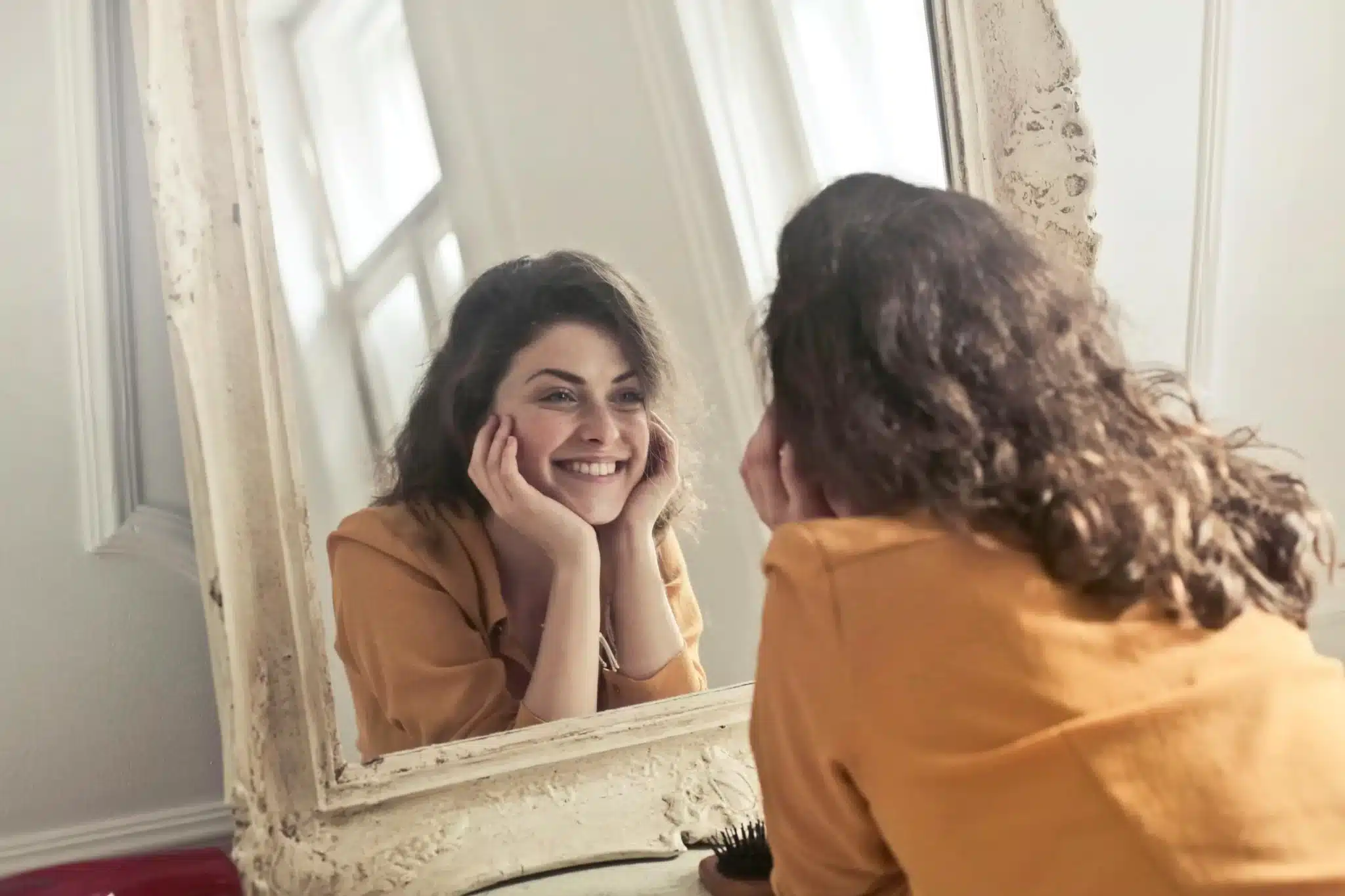
 When people think about personal growth, they often focus on mindset, habits, productivity, or emotional resilience. Rarely do we talk about appearance as part of the equation.
Yet our relationship with how we look can have a surprisingly powerful influence on how we feel, behave, and engage with the world around us.
As a behavioral change specialist, I’ve seen firsthand that confidence doesn’t emerge from appearance alone. However, there is often an important connection between feeling aligned with your self-image and showing up more fully in your life.
The key is understanding where that confidence comes from—and where it doesn’t.
The Psychology of Self-Perception
Researchers have long studied the relationship between self-perception and behavior. How we see ourselves influences everything from our willingness to take risks to our comfort in social situations.
This doesn’t mean confidence should be based solely on external factors. In fact, tying your self-worth entirely to appearance can be problematic.
However, there is a meaningful difference between seeking perfection and wanting your outward appearance to reflect how you feel internally.
When those two things feel aligned, many people experience greater self-assurance and emotional comfort.
Why Personal Changes Often Create Momentum
One of the most interesting aspects of behavioral change is that progress in one area often spills into others.
A person who starts exercising regularly may begin eating healthier. Someone who improves their sleep habits may find it easier to manage stress.
Similarly, making intentional choices about appearance can sometimes serve as a catalyst for broader positive changes.
This isn’t because a new haircut, wardrobe, or cosmetic procedure magically creates confidence. Rather, it reflects a decision to invest in oneself—a choice that often reinforces feelings of self-respect and agency.
The Difference Between Avoidance and Empowerment
When discussing appearance-related decisions, motivation matters.
Are you making a change because you feel pressured by unrealistic standards?
Or are you making a change because it genuinely aligns with how you want to present yourself?
The healthiest transformations tend to come from empowerment rather than avoidance.
Instead of trying to fix perceived flaws, people often benefit from asking:
- What would help me feel more like myself?
- What changes would support my confidence?
- Am I acting from self-acceptance or self-criticism?
These questions create a much healthier foundation for decision-making.
Hair Loss and Identity
One appearance-related concern that often carries a deeper emotional impact is hair loss.
While commonly discussed as a cosmetic issue, hair loss can affect how people perceive their age, vitality, and identity. For some individuals, particularly those who begin experiencing hair loss earlier in life, the emotional effects can be significant.
This doesn’t mean everyone should pursue treatment. Many people confidently embrace hair loss and feel completely comfortable doing so.
Others choose to explore solutions ranging from lifestyle adjustments and medical therapies to procedures such as a corrective hair transplant when previous treatments have produced unsatisfactory results or when they want to restore a more natural appearance.
The important point is that there is no universally “right” response. The best decision is the one that aligns with an individual’s goals and values.
Confidence Comes From Congruence
One concept I often discuss with clients is congruence—the feeling that your external presentation matches your internal sense of self.
People tend to feel most confident when there is harmony between how they see themselves and how they show up in the world.
Sometimes that means embracing natural changes.
Sometimes it means making intentional adjustments.
Either path can be healthy when it is guided by self-awareness rather than self-judgment.
The Real Goal Isn’t Looking Different
Many people assume that confidence comes after a transformation. In reality, lasting confidence is usually built through the process itself.
It grows from making intentional choices, honoring your personal values, and taking ownership of your well-being.
Whether the change involves your habits, mindset, career, relationships, or appearance, the underlying principle remains the same: confidence develops when your actions align with the person you want to become.
The goal isn’t to look different. The goal is to feel more authentically yourself—and sometimes even small changes can help you get there.
P.S. Before you zip off to your next Internet pit stop, check out these 2 game changers below - that could dramatically upscale your life.
1. Check Out My Book On Enjoying A Well-Lived Life: It’s called "Your To Die For Life: How to Maximize Joy and Minimize Regret Before Your Time Runs Out." Think of it as your life’s manual to cranking up the volume on joy, meaning, and connection. Learn more here.
2. Life Review Therapy - What if you could get a clear picture of where you are versus where you want to be, and find out exactly why you’re not there yet? That’s what Life Review Therapy is all about.. If you’re serious about transforming your life, let’s talk. Learn more HERE.
Think happier. Think calmer.
Think about subscribing for free weekly tools here.
No SPAM, ever! Read the Privacy Policy for more information.
One last step!
Please go to your inbox and click the confirmation link we just emailed you so you can start to get your free weekly NotSalmon Happiness Tools! Plus, you’ll immediately receive a chunklette of Karen’s bestselling Bounce Back Book!


