 There is something irreplaceable about being home. The smell of your own kitchen. The chair you have sat in for thirty years. The neighbor who waves every morning. These things seem small, but for older adults, they are everything. It is no surprise, then, that many older adults consider aging in place an important goal.
Most people do not want to leave their homes as they get older. They want to stay. They want to remain in the spaces where their lives happened. But building a care setup that feels comfortable, safe, and genuinely supportive is another.
Here is what that looks like in practice.
Start With a Proper Assessment
One of the biggest mistakes families make is jumping straight into organising support without first understanding what kind of care is needed. Everyone assumes they know. Most of the time, they are guessing.
A proper starting point is getting one of the formal assessments for home care done. These assessments look at a person’s daily functioning, health conditions, social situation, and what support would best help them remain independent at home. They consider not just physical needs but also mental health, mobility, and social connection.
This step matters more than people realise. Without it, support workers may be assigned tasks that do not match what the person needs. With it, the whole care plan can be built around the individual rather than around a standard package that was never really designed for them.
Build a Care Plan That Reflects the Person
Once the assessment is done, the next step is building a care plan. And this is where many aged care providers fall short. A care plan on paper looks thorough. In reality, many plans end up being generic schedules that treat older adults like timetable items rather than people.
Person-centred care changes this. The key is that care is organised around the individual’s own choices, routines, and preferences, not around what is convenient for the agency.
In practice, this means a good care plan respects that someone might want to sleep in until 9 am instead of being showered at 7. It means a person still chooses what they eat, what activities they do, and whom they spend time with. Autonomy is the whole point in aged care.
Consumer-directed care, where individuals have more say in how their home care package is spent, has helped shift this significantly. When older adults are involved in shared decision-making about their own care, the experience feels far less clinical and far more like life.
Pay Attention to Who Walks Through the Door
Ask anyone who has gone through home aged care, and they will tell you the same thing. The care plan matters, but the caregiver matters more.
A support worker who is kind, patient, and genuinely attentive changes everything. One who shows up distracted or treats the visit as a task to get through can make even well-resourced care feel uncomfortable.
Dignity and respect are not abstract values. They show up in how someone is spoken to, whether their preferences are remembered, and whether they feel heard.
Cultural sensitivity also plays a role here. Having a care professional who understands and respects cultural backgrounds is central to how safe and comfortable the care relationship feels.
If a caregiver is not the right fit, families have every right to ask for a different match. Aged care provider organisations should make this process easy. If they do not, that is worth noting.
Make the Home Work for the Person Who Lives in It
Comfort in home care is partly about services and partly about the physical space itself. An older adult who is constantly worried about falling is not going to feel at ease, no matter how attentive the support workers are.
Fall prevention is worth taking seriously. Falls remain one of the leading causes of injury and hospitalisation among older adults. Simple modifications, such as grab bars in bathrooms, better lighting, and removal of loose rugs, reduce risk significantly. A safety walk-through of the home, done with a care professional or occupational therapist, is a practical step that often gets skipped.
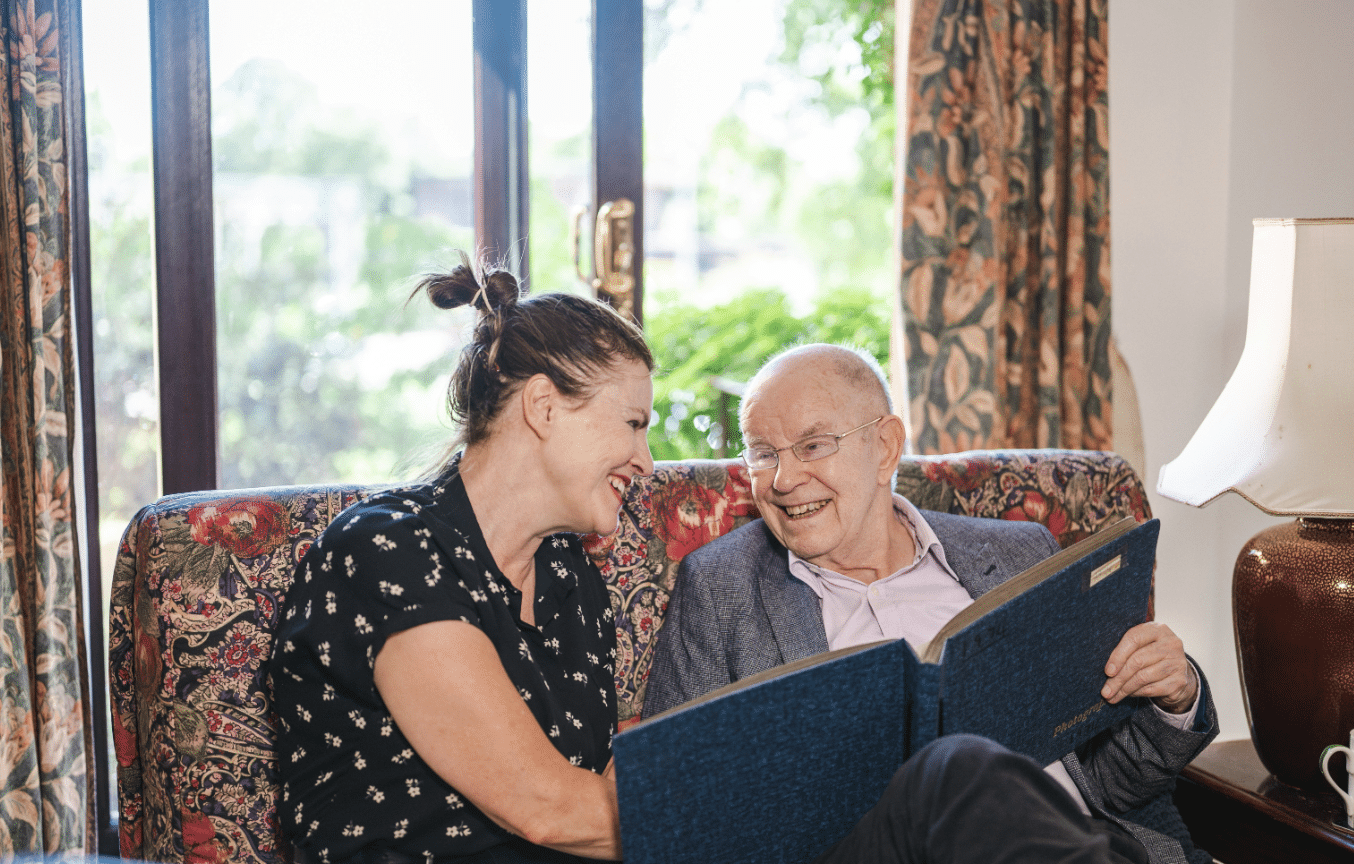
Beyond safety, the home should feel like home. Personal photographs, familiar objects, the music a person has always loved. These things are not decoration. They ground a person in their own identity, especially as health changes and routines shift. Geriatric care specialists frequently note that familiar environments support better cognitive and emotional outcomes over time.
Medical equipment, where needed, can also be integrated in ways that are unobtrusive. An emergency medical alert system, for instance, can give both the older person and their family significant peace of mind without making the home feel like a facility.

Use Community Services to Fill the Gaps
In-home care does not have to carry the whole load. Community aged care services and community-based services exist precisely to complement what happens inside the home.
Meal delivery programs, transportation services, social programs at a local senior centre, and respite care for family caregivers are all part of a wider support network. These services help prevent isolation, which is one of the most serious threats to an older adult’s wellbeing.
Medication review is another often-overlooked piece. A home medicines review, conducted by a pharmacist or through medication therapy management services, can catch dangerous interactions and simplify complex medication routines. It is a small thing that can make a significant difference to both safety and daily comfort.
Comfort Is Built, Not Assumed
At home aged care services, when done well, make all that possible. The right assessment, a care plan built around the individual, a compatible caregiver, a safe and familiar home environment, and access to community support. None of these elements alone is enough. Together, they create the conditions where an older person can feel genuinely comfortable, not just cared for.
That distinction matters more than most people realise until they are living it.
P.S. Before you zip off to your next Internet pit stop, check out these 2 game changers below - that could dramatically upscale your life.
1. Check Out My Book On Enjoying A Well-Lived Life: It’s called "Your To Die For Life: How to Maximize Joy and Minimize Regret Before Your Time Runs Out." Think of it as your life’s manual to cranking up the volume on joy, meaning, and connection. Learn more here.
2. Life Review Therapy - What if you could get a clear picture of where you are versus where you want to be, and find out exactly why you’re not there yet? That’s what Life Review Therapy is all about.. If you’re serious about transforming your life, let’s talk. Learn more HERE.
Think happier. Think calmer.
Think about subscribing for free weekly tools here.
No SPAM, ever! Read the Privacy Policy for more information.
One last step!
Please go to your inbox and click the confirmation link we just emailed you so you can start to get your free weekly NotSalmon Happiness Tools! Plus, you’ll immediately receive a chunklette of Karen’s bestselling Bounce Back Book!