 Pregnancy brings a mix of anticipation and uncertainty. For many women, the experience unfolds without major incident. For others, complications arise that require prompt attention and informed decisions. What makes the difference isn’t luck. It’s knowing what’s normal, what isn’t, and when to call your provider.
Most complications don’t announce themselves loudly. Some build gradually, with signs that are easy to dismiss as routine discomfort. Understanding your body well enough to act when something feels off is one of the most practical things you can do during pregnancy.
Read on to find out which complications expecting mothers should know about and how early recognition can change outcomes.
Preeclampsia and High Blood Pressure
Preeclampsia sits within a broader group of hypertensive disorders that can develop during pregnancy. It’s defined by high blood pressure alongside signs of organ stress, most commonly in the kidneys.
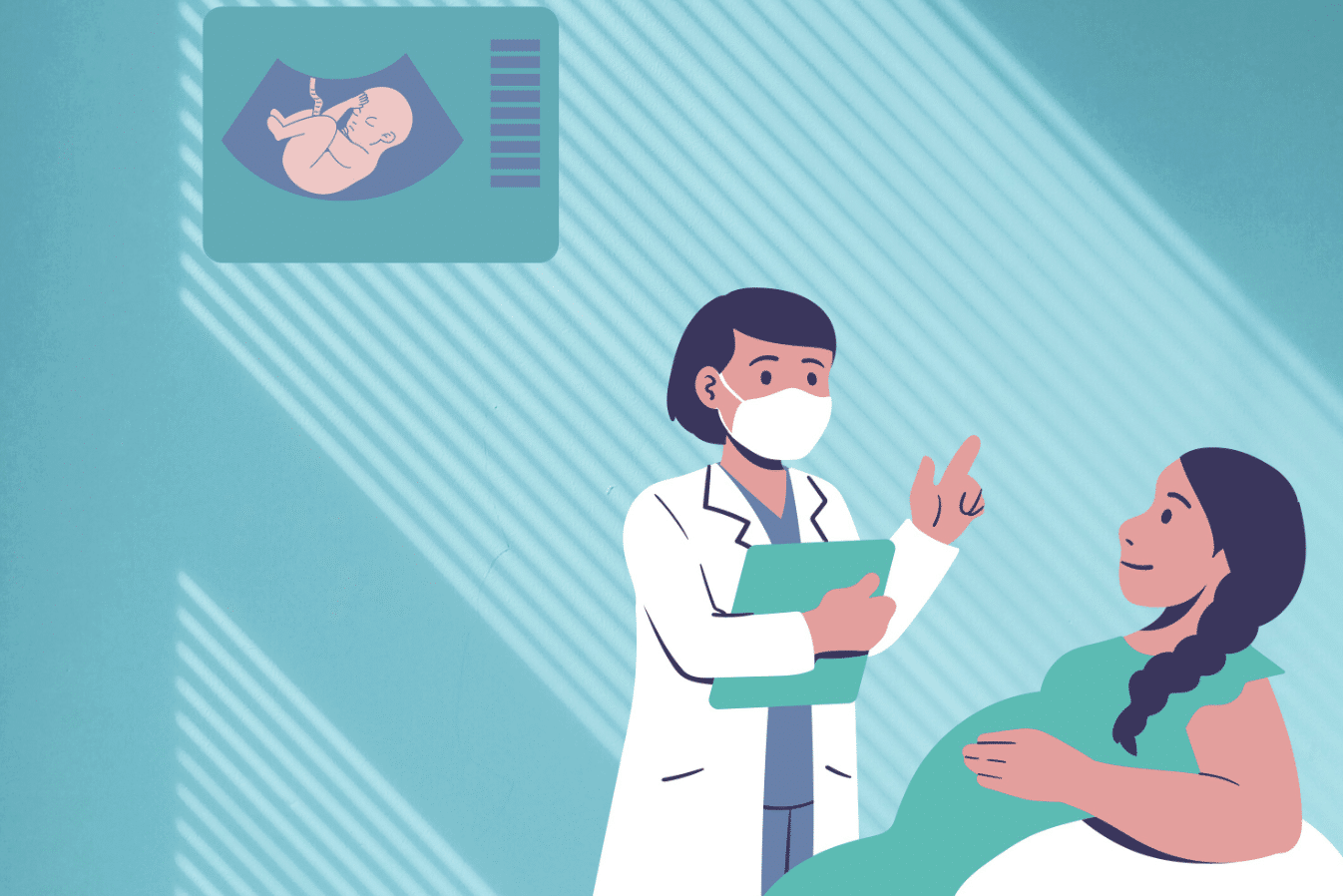
Routine prenatal visits already include blood pressure monitoring for this reason. Seeing an ultrasound scan for pregnancy specialists in the early weeks helps establish a reliable baseline. Any significant rise from that baseline becomes a clearer signal worth acting on.
For those at higher risk, the following factors are worth discussing with a provider:
Gestational hypertension history
A prior diagnosis raises the likelihood of preeclampsia in a subsequent pregnancy. This makes closer monitoring from the first trimester a reasonable and often recommended step.
Organ-related warning signs
Protein in the urine, severe headaches, and sudden vision changes indicate the condition is affecting more than just blood pressure. These symptoms don’t always appear together, so any one of them warrants a prompt call to a provider.
Fetal impact
Restricted blood flow to the placenta limits the nutrients and oxygen a baby receives. In more advanced cases, this can affect fetal growth and influence decisions around delivery timing.
Gestational Diabetes
 Gestational diabetes develops when the body can’t produce enough insulin to meet the demands of pregnancy. Blood sugar levels rise beyond normal range, and without management, this creates risks for both mother and baby.
The following are among the most important things to understand about managing the condition:
Diet and activity
Reducing refined carbohydrates and eating at consistent intervals are the first steps most providers recommend. Pairing that with regular, moderate movement helps the body use insulin more effectively.
Medical intervention
Some women need insulin or oral medication when lifestyle changes alone aren’t enough to keep glucose levels stable. The decision is based on how blood sugar responds to dietary adjustments over time.
Baby’s health
Poorly controlled gestational diabetes increases the risk of macrosomia, where the infant grows larger than average. This raises the likelihood of a cesarean section and may cause the baby to experience low blood sugar shortly after birth.
Preterm Labor
Preterm labor occurs when contractions begin and the cervix starts to dilate before 37 weeks. The causes aren’t always identifiable, but certain factors raise the likelihood considerably. Women carrying multiple pregnancies, those with a short cervix, or those with a prior preterm birth carry a higher baseline risk.
Beyond the known risk factors, the symptoms themselves can be easy to miss. Irregular contractions, pelvic pressure, lower back pain, and changes in vaginal discharge are all worth reporting promptly. Many women dismiss these early signs as typical discomfort, which delays the kind of care that can actually make a difference.
When preterm labor is caught early, providers have more options to work with. Corticosteroid injections are given to speed up fetal lung development in case preterm delivery can’t be avoided, while magnesium sulfate may be used to protect fetal brain development in very early cases. The goal is always to extend the pregnancy as safely and as long as possible.
Miscarriage and Pregnancy Loss
Miscarriage is the most common pregnancy complication, with most cases occurring in the first trimester. It happens when a pregnancy ends on its own before 20 weeks, and a chromosomal abnormality is often the underlying cause. While that doesn’t make the experience any less difficult, it does mean that in many cases, nothing the mother did or didn’t do caused the loss.
Beyond the physical side, the emotional weight of pregnancy loss is frequently underestimated. There’s no correct timeline for processing grief, and the emotional recovery doesn’t always align with the physical one. Women often feel isolated in the experience, partly because early pregnancy isn’t always something that’s been shared publicly.
For women who’ve been through recurrent miscarriage, the path forward doesn’t have to be one of uncertainty. Further evaluation can identify whether hormonal imbalances, uterine abnormalities, or blood clotting disorders are contributing factors. In many cases, maternal health improves meaningfully once an underlying cause is found and addressed, and the chances of a successful future pregnancy improve alongside it.
Final Thoughts
Pregnancy looks different for every woman, and complications don’t follow a predictable pattern. What stays consistent is the value of showing up to prenatal appointments, knowing your body, and speaking up when something changes. None of these conditions are a guaranteed outcome. They’re possibilities worth being prepared for, and preparation starts with knowing they exist.
P.S. Before you zip off to your next Internet pit stop, check out these 2 game changers below - that could dramatically upscale your life.
1. Check Out My Book On Enjoying A Well-Lived Life: It’s called "Your To Die For Life: How to Maximize Joy and Minimize Regret Before Your Time Runs Out." Think of it as your life’s manual to cranking up the volume on joy, meaning, and connection. Learn more here.
2. Life Review Therapy - What if you could get a clear picture of where you are versus where you want to be, and find out exactly why you’re not there yet? That’s what Life Review Therapy is all about.. If you’re serious about transforming your life, let’s talk. Learn more HERE.
Think happier. Think calmer.
Think about subscribing for free weekly tools here.
No SPAM, ever! Read the Privacy Policy for more information.
One last step!
Please go to your inbox and click the confirmation link we just emailed you so you can start to get your free weekly NotSalmon Happiness Tools! Plus, you’ll immediately receive a chunklette of Karen’s bestselling Bounce Back Book!


