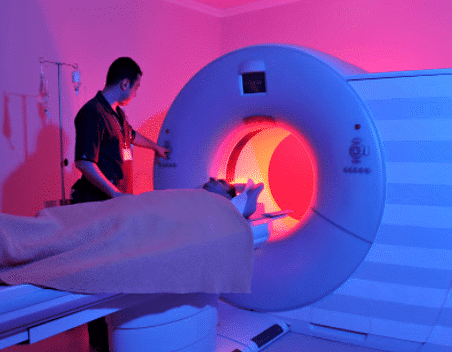
 It usually doesn’t start with a clear answer. Just a symptom that lingers longer than expected. A pain that doesn’t quite respond to rest. Something subtle, but persistent enough to raise questions.
In a city like Austin, where people tend to stay active and push through discomfort, it’s easy to dismiss early warning signs. Until they don’t go away. That’s often when imaging enters the conversation. Not as a first step, but as a way to understand what’s happening beneath the surface when basic explanations fall short. An MRI isn’t always necessary. But in certain situations, it becomes the most useful way to get clarity.
Here are some of the signs that tend to point in that direction.
1. Persistent Pain That Doesn’t Improve Over Time
Most minor injuries follow a pattern. They hurt, then slowly improve. Maybe not overnight, but gradually. When that pattern breaks, it stands out.
Pain that lingers for weeks without improvement often signals something deeper than muscle strain. It could be soft tissue damage, inflammation, or even structural issues that aren’t visible externally. At that point, doctors may start considering imaging options to get a clearer picture, and in many cases, facilities offering services like MRI Austin become part of that next step in diagnosis.
This is where providers such as Longhorn Imaging, known for advanced diagnostic imaging and detailed scan accuracy, are often part of the process, especially when patients need more precise insights into conditions that standard exams can’t fully explain. It’s not about jumping straight to scans. It’s about recognizing when symptoms stop following the expected path.
2. Unexplained Headaches or Neurological Changes
Headaches are common. Most don’t require imaging. But some patterns are different.
If headaches become more frequent, more intense, or are accompanied by symptoms like dizziness, vision changes, or difficulty concentrating, doctors tend to look closer. These aren’t always serious signs, but they do warrant attention.
An MRI helps rule out underlying causes. Things like abnormalities, pressure changes, or structural concerns that wouldn’t show up otherwise. It’s less about confirming something specific and more about eliminating uncertainty.
3. Joint Pain That Affects Movement or Stability
Joint discomfort is easy to brush off. Especially if it comes and goes. But when it starts affecting how you move, things shift. Knees that feel unstable. Shoulders that don’t rotate fully. Hips that cause discomfort during everyday activity.
That’s usually when a physical exam alone isn’t enough. MRIs are particularly useful for looking at ligaments, cartilage, and soft tissues. The parts that don’t show up clearly on X-rays. If movement is limited or worsening, imaging helps identify whether it’s a tear, inflammation, or degeneration. And once you know that, the treatment path becomes more focused.
4. Back or Neck Pain With Numbness or Tingling
Back pain on its own is common. Add numbness or tingling, and it becomes something else. These sensations often point toward nerve involvement. A disc pressing against a nerve, spinal changes, or inflammation affecting surrounding tissue. It doesn’t always feel severe at first. Sometimes it’s just a mild tingling in the arm or leg. Easy to ignore. Until it becomes consistent.
That’s where imaging becomes important. An MRI can show how the spine is interacting with nearby nerves. It provides detail that helps explain symptoms that don’t match surface-level observations. Without that clarity, treatment often stays general. With it, decisions become more precise.
5. Injuries That Don’t Match the Level of Pain
Sometimes the injury seems minor, but the pain doesn’t reflect that. You twist your ankle, but weeks later it still doesn’t feel right. You strain your back, but movement becomes more restricted instead of improving. This mismatch is often a signal.
It suggests that something more than a simple strain might be involved. Small tears, internal swelling, or damage that isn’t immediately obvious. In these cases, imaging isn’t about urgency. It’s about accuracy. Understanding what’s actually happening allows for better recovery planning, instead of relying on assumptions.
6. A Diagnosis That Needs Confirmation
There are moments when doctors have a strong suspicion about what’s going on, but they need confirmation before moving forward. This happens with conditions that affect soft tissue, the brain, or the spine. Areas where detail matters. An MRI provides that level of detail.
It doesn’t just confirm a diagnosis. It helps guide what comes next. Whether that’s physical therapy, medication, or something more involved. And for patients, it brings clarity. Not just about the condition, but about the direction of treatment.
Conclusion
An MRI isn’t something most people think about until they’re already dealing with uncertainty. It tends to come into the picture when symptoms don’t follow expected patterns, or when answers remain unclear after initial evaluation. That’s really the role it plays. Not as a first step, but as a deeper look when surface-level explanations fall short.
If something feels off and isn’t improving, it’s worth paying attention. Not every symptom leads to imaging. But the ones that persist, shift, or don’t quite make sense often deserve a closer look. And sometimes, that closer look is exactly what helps everything else fall into place.
P.S. Before you zip off to your next Internet pit stop, check out these 2 game changers below - that could dramatically upscale your life.
1. Check Out My Book On Enjoying A Well-Lived Life: It’s called "Your To Die For Life: How to Maximize Joy and Minimize Regret Before Your Time Runs Out." Think of it as your life’s manual to cranking up the volume on joy, meaning, and connection. Learn more here.
2. Life Review Therapy - What if you could get a clear picture of where you are versus where you want to be, and find out exactly why you’re not there yet? That’s what Life Review Therapy is all about.. If you’re serious about transforming your life, let’s talk. Learn more HERE.
Think happier. Think calmer.
Think about subscribing for free weekly tools here.
No SPAM, ever! Read the Privacy Policy for more information.
One last step!
Please go to your inbox and click the confirmation link we just emailed you so you can start to get your free weekly NotSalmon Happiness Tools! Plus, you’ll immediately receive a chunklette of Karen’s bestselling Bounce Back Book!


