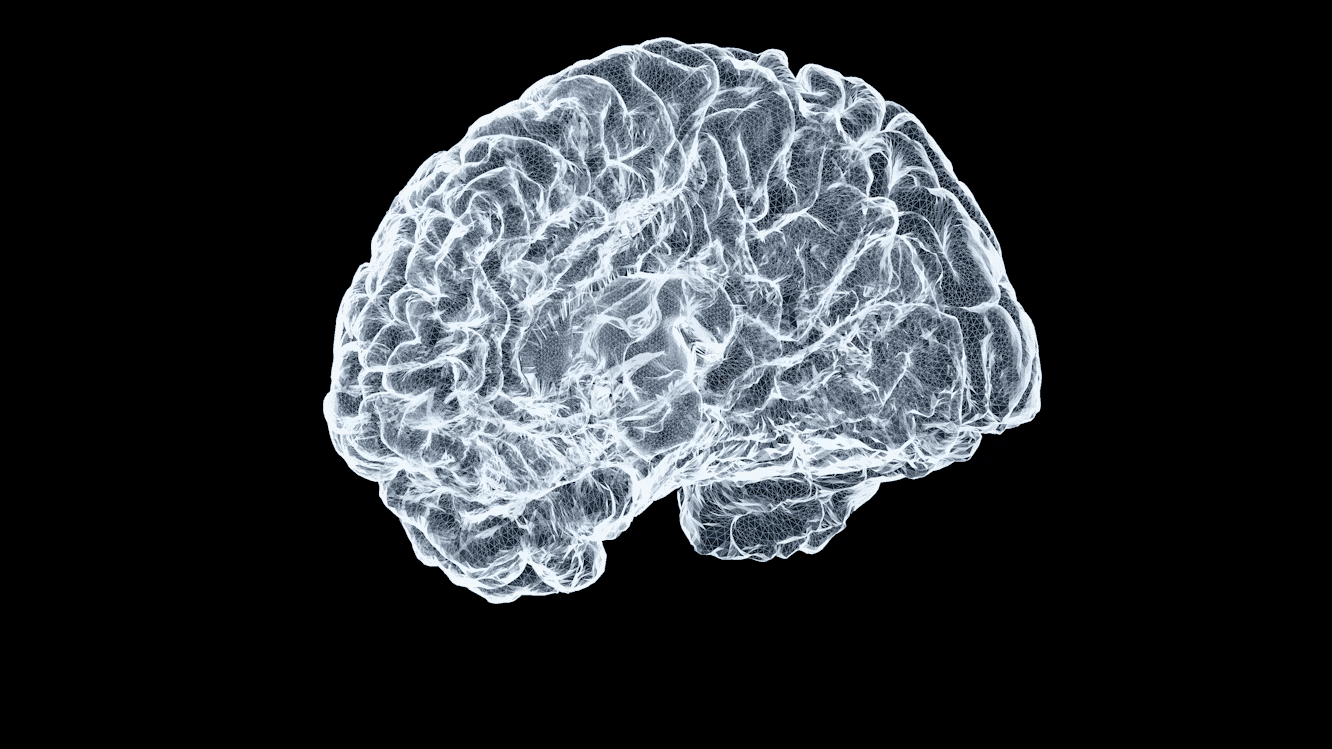
 Neuroscience shows how the brain’s reward system helps explain why risk can feel enjoyable — and why balance matters, according to data including a recent KTO survey.
Many people describe risk taking and gambling as exciting or relaxing. That sense of pleasure isn’t just in your imagination. It starts deep within the brain. Neuroscience points to the reward system, a biological mechanism that makes certain experiences feel satisfying and worth repeating.
According to data from an online casino, most users engage with bets for entertainment rather than monetary goals. In that snapshot, 72% said they play for fun, while smaller groups reported other reasons such as complementing earnings, socializing, or following sports. These findings help frame how people experience gambling in everyday life and why moderation is central to keeping it recreational.
It’s More About the Brain Than the Payout
Every time you experience something rewarding — like enjoying your favorite meal or listening to music — your brain releases dopamine. This chemical produces a brief “feel-good” effect and reinforces the desire to repeat the activity. The same process appears during a quick sports bet or a short casino session, linking a pleasurable feeling with the action that preceded it.
This link is what turns a moment of play into a memorable experience. The brain encodes that positive sensation and stores it as something worth doing again, even when the outcome wasn’t a major win. In practice, people often remember the rush more than the result.
The Thrill Comes From Uncertainty
Gambling adds a distinct ingredient: unpredictability. Each spin, card draw, or final whistle carries uncertainty, and the anticipation itself can stimulate dopamine release. That “maybe” keeps attention sharp and creates a short burst of engagement that many interpret as relaxation.
The brain does not carefully separate sources of pleasure. Whether it’s a favorite song, a sweet snack, or a small bet, it mainly registers the rewarding feeling. That is why near-misses or minor outcomes can still feel satisfying — the system is responding to the sequence of expectation and result, not just to large payouts.
Understanding the Reward System Helps You Stay in Control
The reward system doesn’t work alone. The prefrontal cortex — the part of the brain involved in planning and self-control — helps keep impulses in check. When this balance holds, gambling remains a light, time-limited activity rather than a repeated behavior that takes up more space than intended.
Recognizing how the reward system works can help turn gambling into what it is for many people: a short break that offers focus and enjoyment. The key is setting boundaries — time, budget, and context — so that the brain’s quick burst of pleasure doesn’t override rational decision-making.
When the emotional and rational systems work together, gambling looks less like a chase and more like a brief, contained form of entertainment. The experience remains what it should be: engaging in the moment, limited in scope, and easier to step away from when the game is over.
P.S. Before you zip off to your next Internet pit stop, check out these 2 game changers below - that could dramatically upscale your life.
1. Check Out My Book On Enjoying A Well-Lived Life: It’s called "Your To Die For Life: How to Maximize Joy and Minimize Regret Before Your Time Runs Out." Think of it as your life’s manual to cranking up the volume on joy, meaning, and connection. Learn more here.
2. Life Review Therapy - What if you could get a clear picture of where you are versus where you want to be, and find out exactly why you’re not there yet? That’s what Life Review Therapy is all about.. If you’re serious about transforming your life, let’s talk. Learn more HERE.
Think happier. Think calmer.
Think about subscribing for free weekly tools here.
No SPAM, ever! Read the Privacy Policy for more information.
One last step!
Please go to your inbox and click the confirmation link we just emailed you so you can start to get your free weekly NotSalmon Happiness Tools! Plus, you’ll immediately receive a chunklette of Karen’s bestselling Bounce Back Book!


