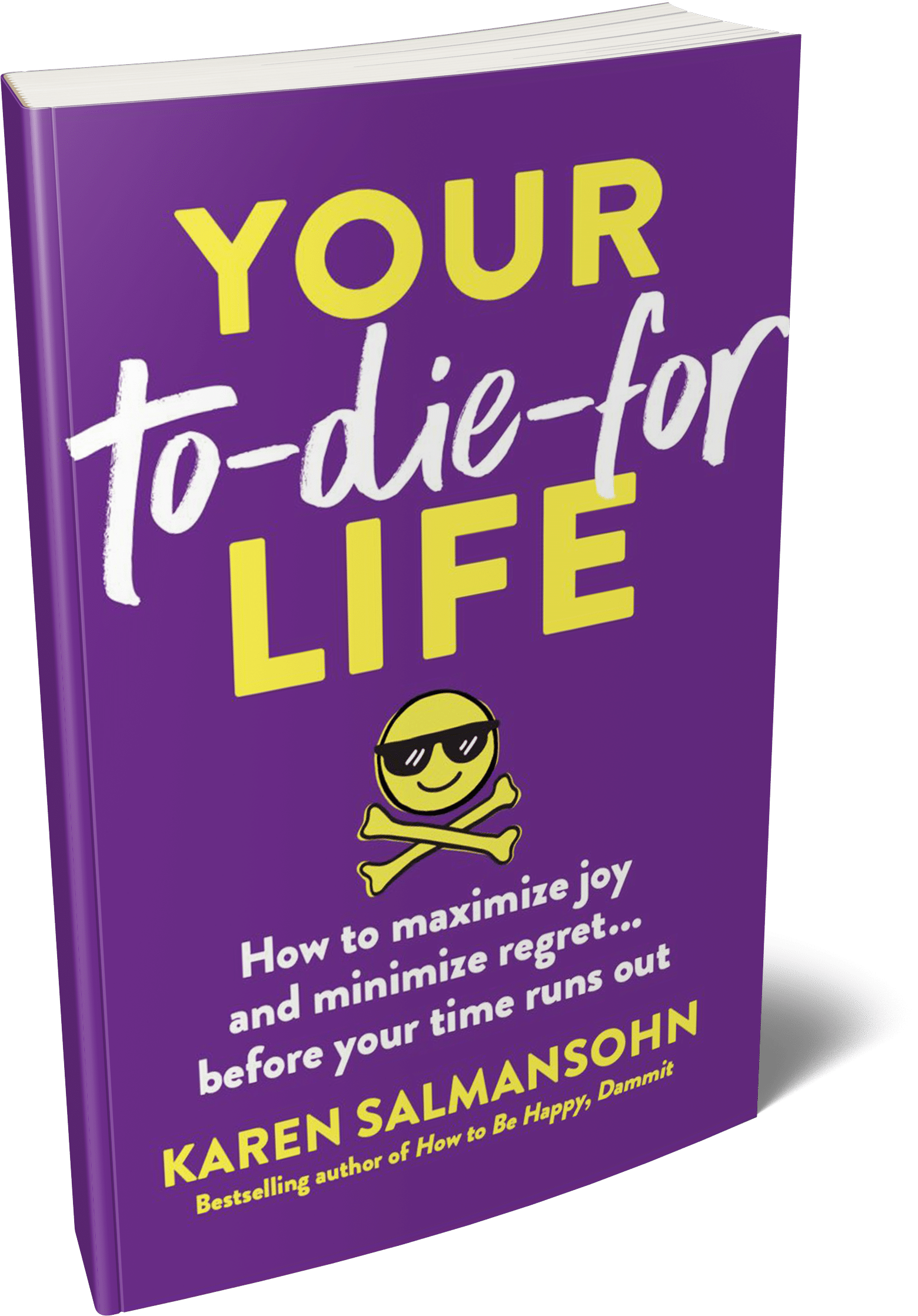

Get A Sneak Peek at my book “Your To-Die-For Life”!
Get a FREE sneak peek! Learn how to use Mortality Awareness as a wake up call to live more boldly.


 Better sleep starts with teaching your brain a predictable rhythm. Your daily choices influence when you feel alert, how quickly you settle at night and how restored you feel the next morning. Since the brain adapts through repetition, small routines can gradually weaken unhelpful patterns such as late-night worrying or irregular bedtimes. The same process can support clearer thinking, steadier emotions and greater confidence during the day.
Here’s how to use that natural adaptability to sleep better and approach life with more energy.
Your brain relies on internal timing cues to regulate alertness and sleepiness. Morning light, meal timing, physical activity and evening habits all help set that clock. When those cues change from day to day, your brain may struggle to recognize when it should wind down.
Insomnia can also become a learned pattern. If you regularly lie awake while checking the time or worrying about tomorrow, your brain may begin associating bed with stress. The principles behind brain retraining for insomnia focus on changing that association. A steady wake time and a calming pre-bed routine give your nervous system clearer signals and help rebuild trust in sleep, which can lead to a better sleep environment.
Choose a wake time you can maintain every day, including weekends. A consistent morning schedule usually anchors your sleep cycle more effectively than forcing a rigid bedtime. In the evening, begin a 30-minute wind-down period when you dim the lights, put away work and switch to a quiet activity.
Helpful cues might include:
Some people also explore a non-melatonin sleep spray made with plant-based active ingredients. Treat any sleep aid as one part of a stable routine and review the ingredients carefully, especially if you take medication or manage a health condition.
Give your bedroom a clear purpose by reserving it for sleep and quiet relaxation. Keep the room cool, dark and comfortable, then remove visible reminders of unfinished tasks. If you’re still awake after roughly 20 minutes, get up and do something peaceful in low light. Return when you feel sleepy so your bed remains connected with rest.
Daytime behavior matters too. Seek outdoor light soon after waking and schedule exercise earlier when possible. Stop caffeine at least eight hours before bed if you’re sensitive to it. You can also try slow breathing: inhale for four counts and exhale for six counts for several minutes. The longer exhale can help your body shift toward a calmer state.
Sleep supports memory, attention, and emotional control. The Center for BrainHealth explains how sleep strengthens the brain, including the processes that help consolidate learning. That means a rested mind can absorb information more efficiently and respond to setbacks with greater flexibility.
Protect that cognitive edge during the day with short periods of focused work. Silence alerts for 25 minutes, complete one defined task, and then take a brief movement break. Avoid replacing sleep with extra work because tiredness increases errors and makes ordinary decisions feel harder.
Track how you function, not only how many hours you slept. Your ability to remember details, stay patient and finish tasks offers useful feedback about whether your routine is working.
Good sleep creates room for action. When your mind feels rested, you’re more likely to speak up in a meeting, start a demanding project, or follow through on plans that once felt overwhelming. Build on that momentum by choosing one meaningful challenge for the day and defining its first concrete step.
Progress may fluctuate, so judge your new routine over two or three weeks instead of one difficult night. If sleep problems continue for months, disrupt daily life, or come with loud snoring and breathing pauses, talk with a qualified health professional.
Tonight, set your wake time and prepare one calming activity before you enter the bedroom. That simple signal tells your brain exactly what comes next.
P.S. Before you zip off to your next Internet pit stop, check out these 2 game changers below - that could dramatically upscale your life.
1. Check Out My Book On Enjoying A Well-Lived Life: It’s called "Your To Die For Life: How to Maximize Joy and Minimize Regret Before Your Time Runs Out." Think of it as your life’s manual to cranking up the volume on joy, meaning, and connection. Learn more here.
2. Life Review Therapy - What if you could get a clear picture of where you are versus where you want to be, and find out exactly why you’re not there yet? That’s what Life Review Therapy is all about.. If you’re serious about transforming your life, let’s talk. Learn more HERE.
Think about subscribing for free weekly tools here.
No SPAM, ever! Read the Privacy Policy for more information.
