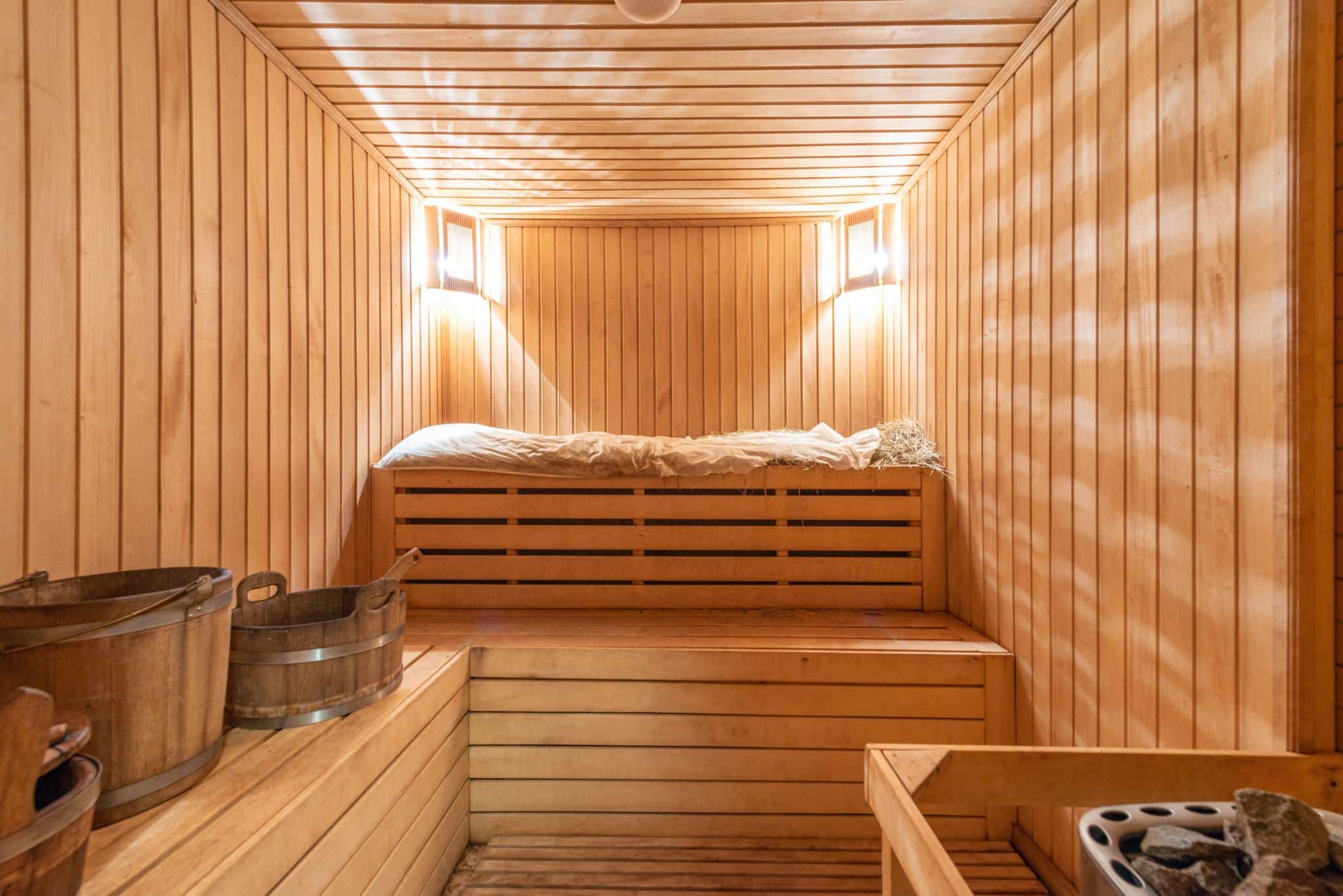
 For a lot of people, downtime does not actually involve much rest. Free hours get swallowed by phones, streaming, errands and the nagging feeling that there is always one more thing to finish. That may help explain the renewed enthusiasm for bathhouses. Modern bathhouses combine old bathing traditions with contemporary wellness culture, giving visitors a place to use saunas, steam rooms, pools and cold plunges without turning relaxation into another task to accomplish. Just as important, they offer a social setting that does not revolve around dinner reservations, cocktails or staring at a screen.
A Different Kind of Break
Traditional spa visits often center on scheduled treatments, such as massages or facials. Bathhouses can work differently. Visitors may spend several hours moving at their own pace among hot rooms, pools, cold water and spaces designed for resting. Instead of watching the clock until the next appointment, people have room to decide what feels good and how long they want to stay.
That freedom suits the way many people now think about wellness. Rest does not always need to mean sitting at home, and recovery does not have to follow a complicated plan. A bathhouse gives people somewhere specific to go when they want a genuine change of pace. The physical environment helps create separation from work, household responsibilities and the constant digital noise that follows people nearly everywhere else.
There is also a welcome simplicity to the experience. Once inside, the main decisions might involve choosing between the sauna and steam room or deciding whether today is the day to brave the cold plunge. Compared with the usual flood of choices and notifications, that can feel refreshingly manageable.
Being Present Feels Easier
Trying to disconnect at home can be surprisingly difficult. The phone is within reach, laundry needs attention and an unopened laptop can start looking suspiciously urgent. Bathhouses create an environment where stepping away feels more natural because the activities themselves demand attention.
Heat, steam and cold water provide strong physical sensations. That can encourage visitors to focus on breathing, temperature and how their bodies feel rather than mentally rehearsing tomorrow’s schedule. People who already use mindfulness practices may find that thermal bathing fits naturally alongside them, but nobody needs meditation experience to appreciate an hour with fewer distractions.
This does not mean every bathhouse visit needs to become a serious exercise in self-reflection. Sometimes relaxing is simply relaxing. A person can sit in a sauna, take a dip, talk with a friend and leave feeling as though the day contained an actual break. That uncomplicated approach may be one reason the bathhouse model feels accessible to people who have little interest in adopting an elaborate wellness regimen.
Wellness Gets More Social
Many popular wellness activities are solitary by design. People put on headphones at the gym, follow workouts at home or schedule individual appointments for treatments. Bathhouses offer another option because communal bathing has historically been a social activity in many parts of the world.
That communal element is finding a new audience. Friends can meet at an LA, San Antonio or Brooklyn sauna rather than defaulting to a restaurant or bar. Couples can turn a bathhouse visit into a date. Travelers can work one into a weekend itinerary. The experience provides an activity while still leaving plenty of time for conversation.
It also changes the pace of socializing. There is no pressure to keep ordering food or drinks, and nobody has to fill every second with conversation. Friends can move between different thermal experiences, rest for a while and reconnect when they feel like talking. For people who want to spend time together without making alcohol or a large meal the centerpiece, bathhouses provide a useful alternative.
Recovery Has Broader Appeal
The increased attention paid to recovery has also helped bathhouses find a wider audience. Athletes have long used practices such as sauna bathing, massage and cold-water immersion, but recovery is no longer discussed only in connection with competitive sports. Recreational runners, gym regulars, travelers and people with physically demanding schedules are also looking for ways to make rest a more deliberate part of their routines.
Modern bathhouses bring several options under one roof. Someone might alternate between heat and cold, book a massage or simply spend most of the visit relaxing. That flexibility allows the experience to change depending on the day. After a hard workout, physical recovery may be the priority. After a stressful workweek, sitting in a warm environment without checking email might sound considerably better.
The important distinction is that bathhouses do not need to replace sleep, movement, nutritious food or other basic habits. They can complement those habits by making time devoted to rest more appealing and easier to protect.
Making Space for Real Rest
The popularity of bathhouses also reflects a larger shift in how people spend their leisure time. Experiences increasingly compete with possessions for attention, and many people want activities that help them feel better without requiring another purchase to bring home.
Bathhouses fit neatly into that preference. They provide a destination, an activity and a reason to put normal routines on hold for a few hours. Some visitors may go regularly, while others treat a bathhouse as an occasional indulgence during a trip, after a demanding week or when meeting friends.
There is no need to turn the experience into another performance metric. The simplest benefit may be the most appealing one. Bathhouses give people permission to stop doing so much for a while, enjoy the company around them and leave feeling refreshed. In an increasingly connected world, that kind of uncomplicated downtime has become surprisingly valuable.
P.S. Before you zip off to your next Internet pit stop, check out these 2 game changers below - that could dramatically upscale your life.
1. Check Out My Book On Enjoying A Well-Lived Life: It’s called "Your To Die For Life: How to Maximize Joy and Minimize Regret Before Your Time Runs Out." Think of it as your life’s manual to cranking up the volume on joy, meaning, and connection. Learn more here.
2. Life Review Therapy - What if you could get a clear picture of where you are versus where you want to be, and find out exactly why you’re not there yet? That’s what Life Review Therapy is all about.. If you’re serious about transforming your life, let’s talk. Learn more HERE.
Think happier. Think calmer.
Think about subscribing for free weekly tools here.
No SPAM, ever! Read the Privacy Policy for more information.
One last step!
Please go to your inbox and click the confirmation link we just emailed you so you can start to get your free weekly NotSalmon Happiness Tools! Plus, you’ll immediately receive a chunklette of Karen’s bestselling Bounce Back Book!


