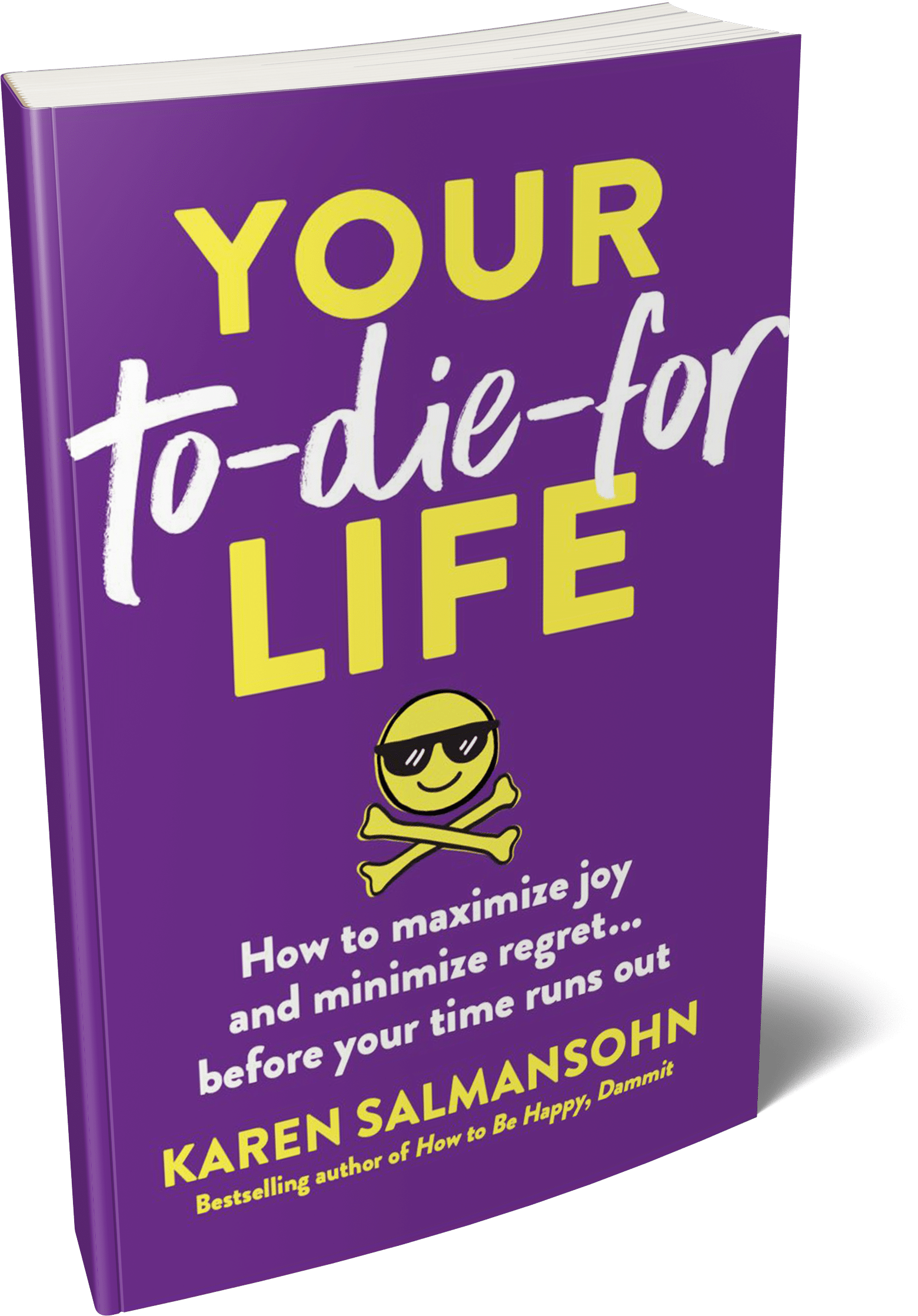

Get A Sneak Peek at my book “Your To-Die-For Life”!
Get a FREE sneak peek! Learn how to use Mortality Awareness as a wake up call to live more boldly.


 Stress does not stay neatly contained in the mind. It can show up physically in the jaw, neck, shoulders, stomach, hands, and other parts of the body long before someone realizes just how tense they have become. Many people become so used to carrying this stress and tension that it starts to feel normal. Paying attention to where stress settles can make self-care more practical because it gives you specific areas to address instead of simply telling yourself to relax.
Jaw clenching, facial tightness, and tension around the temples are common ways stress can show up physically. Some people explore a buccal face massage as one approach to working with tension in muscles around the face, cheeks, and jaw. This type of massage includes work inside the mouth as well as on surrounding facial areas, so it should be performed by a properly trained provider using appropriate hygiene and technique. It may feel very different from a typical facial or relaxation massage.
Facial tension can also be connected to habits such as clenching the jaw while working, concentrating, or sleeping. Becoming aware of those patterns is often the first step toward changing them. Simple habits such as allowing the teeth to rest apart, relaxing the tongue, and taking occasional breaks from screens may help reduce unnecessary tension. Persistent jaw pain, clicking, headaches, or other symptoms should be evaluated by an appropriate healthcare professional.
Many people finish the day with their shoulders sitting much closer to their ears than they were in the morning. Desk work, driving, stress, and hours spent on phones or laptops can all encourage a hunched posture. The body may respond by tightening muscles through the upper back and neck. Over time, that tension can contribute to stiffness and discomfort.
Short movement breaks can help interrupt this pattern. Rolling the shoulders, changing position, standing up, or taking a brief walk can prevent hours of uninterrupted muscle tension. Ergonomic adjustments may also make a difference if a workspace encourages poor positioning. The goal is not perfect posture every second, but enough variety that the same muscles are not working in the same way all day.
Stress often appears in the hands through gripping, fidgeting, or clenching. Someone may hold a steering wheel tightly, squeeze a computer mouse, or make a fist without realizing it. These habits can leave the hands and forearms feeling fatigued even when the person has not done anything especially strenuous. Simply noticing the grip is often surprisingly helpful.
Try occasionally opening and closing the hands slowly or shaking them out during the day. Stretching the fingers and wrists can also provide a reset after long periods of typing or repetitive work. People who use their hands heavily for work, hobbies, or sports may need more specific recovery strategies. Persistent numbness, weakness, or pain deserves medical attention rather than being assumed to be ordinary stress.
Stress can subtly change breathing patterns. People may begin taking shorter breaths, holding their breath while concentrating, or breathing mostly into the upper chest. This can reinforce the sensation that the body is under pressure. A few slower breaths can help signal that the immediate moment is safe and does not require the same physical response as an emergency.
Breathing exercises do not need to be complicated. Some people find it helpful to make the exhale slightly longer than the inhale or simply take several slow breaths while relaxing the shoulders. The goal is not to force enormous breaths or create lightheadedness. Gentle, comfortable breathing is usually more useful than turning relaxation into another performance task.
Long periods of sitting can leave the hips and lower back feeling tight, especially when stress reduces normal movement throughout the day. People may sit through meals, work, commuting, and evening entertainment without giving the body much variety. Muscles that spend hours in shortened or fixed positions can begin to feel stiff. Stress can make this worse by increasing general muscle tension.
Walking is one of the simplest ways to add movement back into the day. Gentle stretching, changing sitting positions, or spending a few minutes on the floor may also feel helpful for some people. The best movement is usually the kind someone can repeat consistently rather than an elaborate routine done once. New or persistent pain should be assessed appropriately, especially if it is severe or accompanied by other symptoms.
P.S. Before you zip off to your next Internet pit stop, check out these 2 game changers below - that could dramatically upscale your life.
1. Check Out My Book On Enjoying A Well-Lived Life: It’s called "Your To Die For Life: How to Maximize Joy and Minimize Regret Before Your Time Runs Out." Think of it as your life’s manual to cranking up the volume on joy, meaning, and connection. Learn more here.
2. Life Review Therapy - What if you could get a clear picture of where you are versus where you want to be, and find out exactly why you’re not there yet? That’s what Life Review Therapy is all about.. If you’re serious about transforming your life, let’s talk. Learn more HERE.
Think about subscribing for free weekly tools here.
No SPAM, ever! Read the Privacy Policy for more information.
