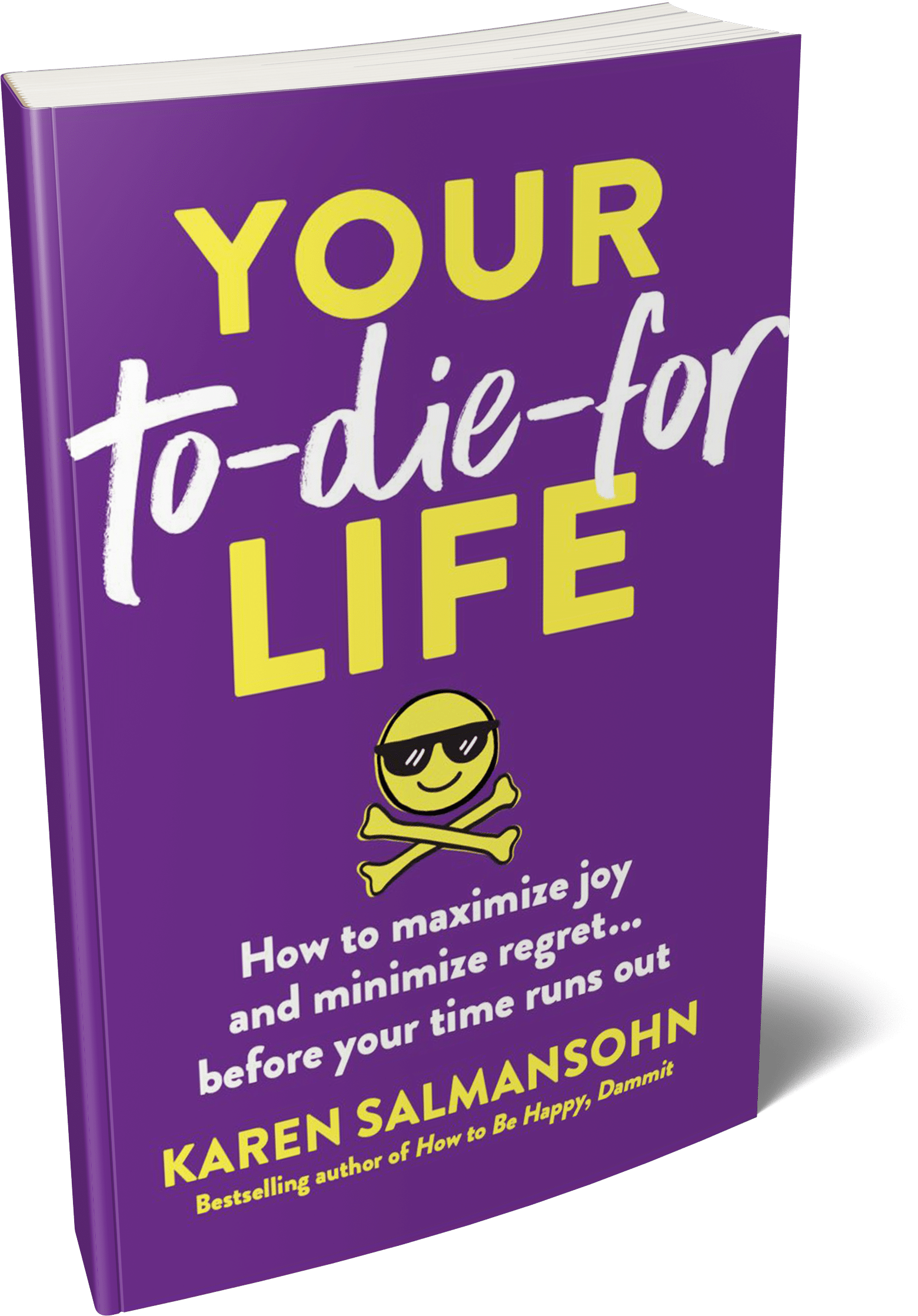

Get A Sneak Peek at my book “Your To-Die-For Life”!
Get a FREE sneak peek! Learn how to use Mortality Awareness as a wake up call to live more boldly.

 Feeling tired has become so common that many people simply accept it as part of modern life. Busy work schedules. Family commitments. Poor sleep habits. And constant digital distractions often leave people searching for quick ways to feel more alert. While countless products promise instant results, sustainable energy usually comes from improving everyday habits rather than relying on temporary fixes.
Many of the most common mistakes aren’t dramatic. They’re small behaviors repeated every day. Skipping breakfast, neglecting sleep, staying dehydrated, or overlooking overall wellness can gradually reduce both physical and mental energy. By recognizing these patterns, it’s possible to build routines that support steady energy throughout the day instead of chasing short-lived boosts.
One of the biggest mistakes people make is trying to compensate for poor sleep with caffeine or other stimulants instead of addressing the underlying problem. Sleep is when the body carries out many essential recovery processes, including supporting brain function, tissue repair, and hormone regulation.
Creating a consistent bedtime, limiting screen exposure before sleep, and maintaining a comfortable sleeping environment can make a noticeable difference in daytime alertness. Some adults also include wellness products within their evening routines according to their personal preferences. While exploring hemp-derived options designed for relaxation and bedtime support, they may come across https://snoozy.com/, which offers gummies formulated for different wellness goals. The company states that its products are third-party tested and intended for adult consumers.
Improving sleep quality often provides a stronger long-term foundation for energy than searching for another afternoon pick-me-up.
Many people respond to afternoon fatigue by reaching for another coffee, energy drink, or sugary snack. While these choices may provide a temporary lift, they’re often followed by an equally noticeable drop in energy.
Balanced meals containing protein, healthy fats, fiber, and complex carbohydrates help provide more consistent fuel throughout the day. Drinking enough water is equally important, as even mild dehydration may contribute to fatigue and reduced concentration.
Rather than eliminating caffeine entirely, many health professionals recommend consuming it in moderation and avoiding excessive intake later in the day, when it may interfere with nighttime sleep.
 Nutrition influences energy in many different ways. Regular meals, sufficient protein intake, and a varied diet help supply the nutrients required for normal body function. At the same time, many people explore dietary supplements as part of their broader wellness routines.
When comparing ingredients that are frequently discussed in the wellness community, understanding NAC vs NAD can help explain how these compounds differ. NAC (N-acetyl cysteine) is commonly discussed for its role as a precursor to glutathione, while NAD refers to nicotinamide adenine dinucleotide, a coenzyme involved in cellular energy production. Tmates explains that although both are associated with wellness discussions, they serve different biological functions and should not be viewed as interchangeable.
Learning how different nutrients and supplements fit into an overall wellness strategy allows people to make more informed decisions rather than following trends alone.
Extended periods of sitting can leave people feeling surprisingly fatigued even when they haven’t performed physically demanding work. Office jobs, remote work, and long commutes often reduce daily movement, making both body and mind feel sluggish.
Fortunately, increasing activity doesn’t require intense exercise sessions. Standing up regularly, taking short walks, stretching throughout the day, or choosing stairs instead of elevators all contribute to improved circulation and help break up long periods of inactivity.
Even brief movement breaks every hour can improve alertness while reducing stiffness caused by prolonged sitting.
One of the most common mistakes is attempting to completely overhaul every habit overnight. Ambitious plans that involve waking up earlier, exercising daily, changing diets, eliminating caffeine, and following complicated wellness routines often become difficult to maintain.
Long-term energy is usually built through consistency rather than perfection. Small improvements, such as sleeping thirty minutes earlier, drinking more water, preparing healthier lunches, or walking after dinner, are easier to sustain and often produce more meaningful long-term results.
Building one habit at a time creates routines that naturally become part of everyday life instead of temporary challenges.
Boosting energy isn’t about discovering one perfect solution. Instead, it’s the result of many everyday decisions working together. Prioritizing sleep, eating balanced meals, staying active, managing hydration, and making informed wellness choices all contribute to feeling more energized over time.
Rather than relying on short-term fixes, focusing on consistent daily habits creates a stronger foundation for both physical and mental well-being. The people who maintain steady energy throughout the day are often those who invest in routines that support their health long before fatigue becomes a problem.
P.S. Before you zip off to your next Internet pit stop, check out these 2 game changers below - that could dramatically upscale your life.
1. Check Out My Book On Enjoying A Well-Lived Life: It’s called "Your To Die For Life: How to Maximize Joy and Minimize Regret Before Your Time Runs Out." Think of it as your life’s manual to cranking up the volume on joy, meaning, and connection. Learn more here.
2. Life Review Therapy - What if you could get a clear picture of where you are versus where you want to be, and find out exactly why you’re not there yet? That’s what Life Review Therapy is all about.. If you’re serious about transforming your life, let’s talk. Learn more HERE.
Think about subscribing for free weekly tools here.
No SPAM, ever! Read the Privacy Policy for more information.