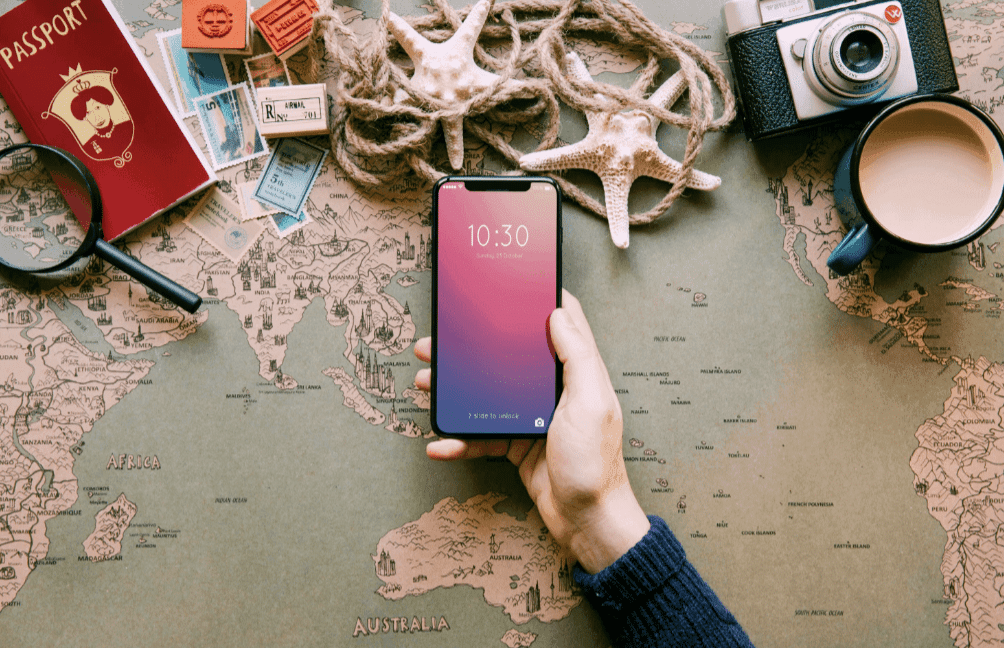
 Travel today depends heavily on digital tools. Navigation apps guide unfamiliar routes, online reservations confirm hotel stays, and translation services help travelers communicate in new places. Boarding passes, ride bookings, and travel updates also sit inside smartphones. Without a stable internet connection, even simple tasks during a trip can quickly become difficult.
For this reason, reliable connectivity has become an important part of travel preparation. Travelers who review their internet options before departure usually avoid many common disruptions abroad. Many people now consider options such as a travel eSIM because digital data plans eliminate the need to search for physical SIM cards or rely entirely on roaming services. The following guide explains practical ways travelers can maintain stable connectivity during international trips.
Check Device Compatibility Before Leaving
Connectivity planning should start with the smartphone itself. Many modern devices support digital SIM technology, but some older phones may not. Travelers should confirm that their device supports eSIM capability and that the phone remains unlocked before installing an international mobile data plan.
Two quick checks can prevent problems after arrival:
- Confirm the device supports eSIM technology through the phone settings
- Ensure the phone is unlocked and compatible with international carrier networks.
These steps help prevent situations where travelers arrive in another country but cannot connect to available mobile networks.
Download Important Apps Before The Trip
Internet access can feel slow right after landing, especially inside crowded airports. Airport Wi-Fi networks sometimes become crowded, and public connections may load slowly. Preparing essential apps before departure reduces stress when travelers reach their destination.
Travelers usually install several helpful apps in advance. Navigation tools, airline apps, translation services, and local transportation platforms remain useful during most trips. Offline map downloads add an extra layer of reliability when internet access becomes unstable. Preparing these apps early ensures travelers can still move around unfamiliar areas even if connectivity temporarily drops.
Choose Reliable Mobile Data Options
Reliable mobile data is essential during travel because many apps stop working without it. Some travelers depend on roaming services from their home carriers, though these plans can involve higher charges. Others prefer to purchase local SIM cards after arriving in their destination country.
Several mobile data options are commonly used:
- International roaming plans provided by the home carrier
- Local prepaid SIM cards purchased after arrival
- Digital mobile data plans installed before travel
Many travelers choose a travel eSIM because it can be installed before departure. Once the traveler arrives, the phone connects to a supported local network, and mobile data becomes available without searching for a physical SIM card.
Store Important Information Offline
Mobile signals sometimes weaken in crowded places or remote locations. Travelers who prepare offline information remain less dependent on constant connectivity during their trips.
Useful offline items include hotel addresses, emergency contact numbers, and digital copies of travel reservations. Screenshots of boarding passes or train tickets also remain helpful if mobile data temporarily drops. Keeping these details saved on the phone ensures travelers still have access to essential information even when internet access becomes unreliable.
Manage Data Usage During Travel
Mobile data plans usually include usage limits. Activities such as video streaming or automatic application updates can consume available data quickly. Small adjustments can help travelers preserve their mobile data for important tasks like navigation and messaging.
Several habits help reduce unnecessary data usage:
- Disable automatic app updates during travel
- Use Wi-Fi networks for large downloads when available.
- Turn off background data for unused applications.
These simple steps allow travelers to extend their data plans and maintain connectivity for essential travel activities.
Use Secure Wi-Fi Networks When Possible
Public Wi-Fi networks appear in airports, hotels, cafés, and transportation centers around the world. These connections allow travelers to save mobile data, but they should still be used carefully.
Travelers should connect only to trusted networks provided by reputable places such as hotels or official airport services. A virtual private network can also provide additional protection when accessing personal accounts or financial information. Secure browsing habits help travelers maintain safer internet access while using public connections.
Keep Backup Connectivity Plans Ready
Even well-prepared travelers may encounter temporary connectivity challenges. Signal coverage varies between locations, and certain rural areas may offer weaker mobile service. Backup connectivity plans help travelers stay connected when primary networks become unreliable.
Several backup options may help maintain internet access:
- Portable Wi-Fi hotspot devices
- Temporary access to trusted public networks
- A secondary mobile data plan is installed on the phone
Some travelers install an eSIM alongside their regular SIM card. This setup allows the device to switch networks while still keeping the original number active.
Reliable internet access has become a central part of modern travel. Smartphones guide travelers through unfamiliar cities, support communication, and store essential travel information. Simple preparation steps, such as checking device compatibility, managing data usage, and saving offline details, help prevent many connectivity problems. Many travelers also explore options like a travel eSIM because digital mobile data plans allow devices to connect to local networks across multiple destinations without the inconvenience of replacing physical SIM cards during international trips.
P.S. Before you zip off to your next Internet pit stop, check out these 2 game changers below - that could dramatically upscale your life.
1. Check Out My Book On Enjoying A Well-Lived Life: It’s called "Your To Die For Life: How to Maximize Joy and Minimize Regret Before Your Time Runs Out." Think of it as your life’s manual to cranking up the volume on joy, meaning, and connection. Learn more here.
2. Life Review Therapy - What if you could get a clear picture of where you are versus where you want to be, and find out exactly why you’re not there yet? That’s what Life Review Therapy is all about.. If you’re serious about transforming your life, let’s talk. Learn more HERE.
Think happier. Think calmer.
Think about subscribing for free weekly tools here.
No SPAM, ever! Read the Privacy Policy for more information.
One last step!
Please go to your inbox and click the confirmation link we just emailed you so you can start to get your free weekly NotSalmon Happiness Tools! Plus, you’ll immediately receive a chunklette of Karen’s bestselling Bounce Back Book!