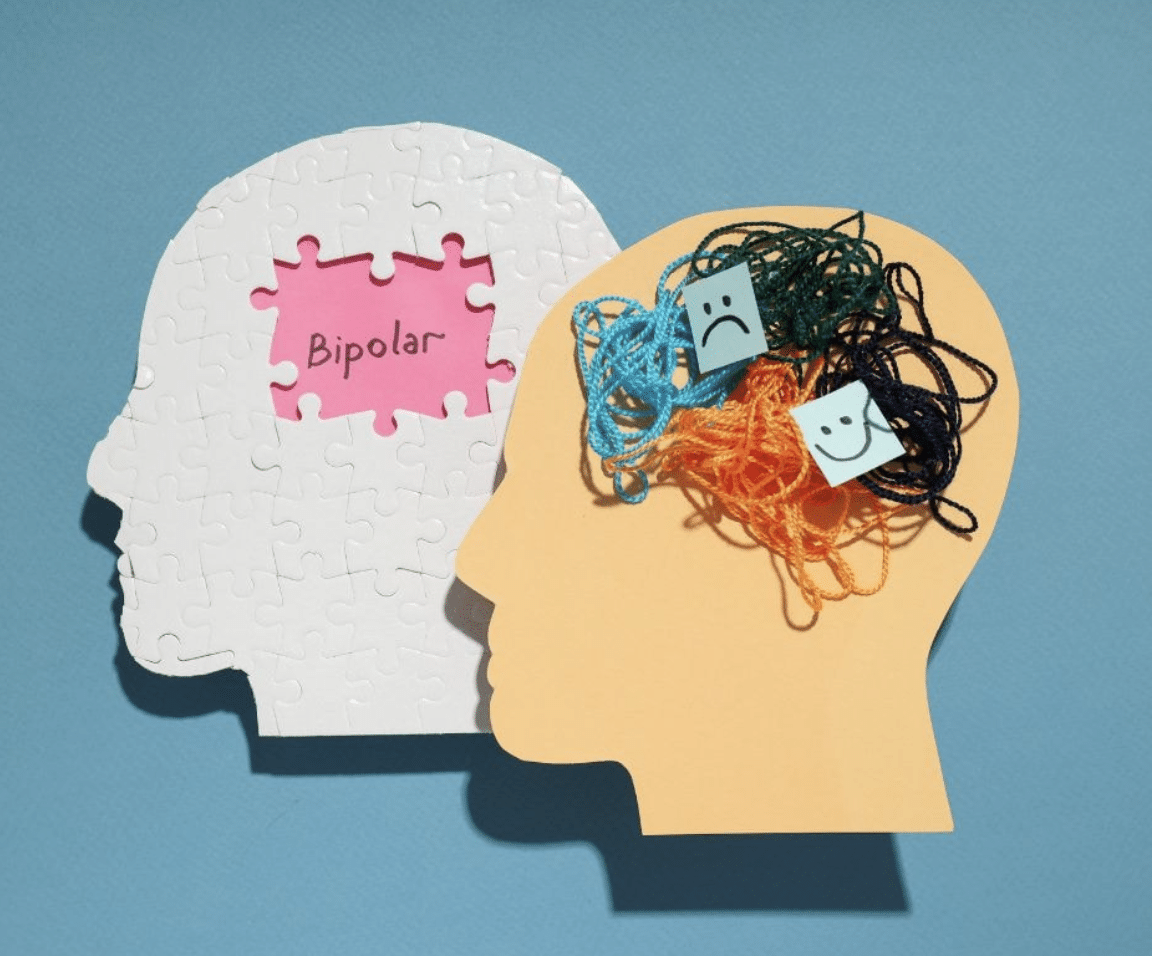
 People with bipolar disorder often wonder whether treating bipolar without drugs is possible. The short answer is complicated. For most people, medication plays an important role. However, treating bipolar without meds through therapy, lifestyle changes, and support represents a legitimate question worth exploring carefully.
The distinction matters between managing bipolar disorder and treating it completely without intervention. Some people ask, “Can bipolar be treated without drugs?” hoping to avoid medication. Others seek ways to minimize medication while using complementary approaches. Both questions deserve honest answers.
This article explores best practices for treating bipolar disorder while addressing what works when pursuing medication-free approaches.
Understanding the Reality of Bipolar Disorder
Why Medication Often Matters
Bipolar disorder involves brain chemistry imbalances affecting mood regulation. Medication works by correcting these imbalances. For most people, treating bipolar without drugs becomes increasingly difficult as the condition persists.
The risk of not using medication when needed includes severe mood episodes, hospitalization, and long-term consequences. Untreated bipolar often worsens. Early intervention, typically including medication, prevents this.
Some people manage bipolar with lifestyle and therapy alone, particularly those with milder presentations. However, research shows these cases are exceptions.
When Treating Bipolar Without Meds Works
Can bipolar be treated without drugs in some cases? Yes, though success requires specific conditions. People with bipolar II have better chances than those with bipolar I.
Those with strong family support, solid therapist relationships, and consistent lifestyle practices manage better without medication. Even then, medication often becomes necessary during stress.
The goal shouldn’t be avoiding help. Rather, it should be finding the minimum intervention necessary while maintaining stability.
Therapy as a Core Component
Cognitive-Behavioral Therapy
Psychotherapy represents a cornerstone of bipolar treatment. Cognitive-behavioral therapy (CBT) teaches people to identify thought patterns fueling mood episodes. Someone recognizing early warning signs can intervene before full episodes develop.
CBT for treating bipolar without meds focuses on behavioral strategies. Consistent sleep schedules, stress management, and activity tracking help regulate mood. Therapy provides tools for managing triggers.
Regular therapy sessions improve outcomes substantially. Therapy addresses psychological factors contributing to symptoms.
Other Evidence-Based Therapies
Dialectical behavior therapy helps people manage intense emotions. Interpersonal and social rhythm therapy maintains consistent daily routines, which significantly impact mood stability.
Family therapy addresses relationship dynamics affecting bipolar symptoms. Support from understanding family members improves outcomes considerably.
Finding the Right Therapist
Working with therapists trained in bipolar disorder produces better results than general therapy. A therapist experienced with treating bipolar understands the condition’s complexity.
Therapy for treating bipolar without drugs requires active participation. The person must practice skills between sessions and apply what they learn.
If you’re serious about managing bipolar without medication or with minimal meds, finding a psychiatrist nyc or in your area who’s actually experienced with bipolar and won’t just push pills can make the difference between success and ending up hospitalized during your first major episode.
Lifestyle Approaches That Make Measurable Differences
Sleep as the Most Critical Factor
Sleep represents perhaps the single most important factor for bipolar stability. Disrupted sleep triggers mood episodes in most people. Treating bipolar without drugs becomes nearly impossible without addressing sleep quality.
Consistent sleep schedules matter most. Going to bed and waking at the same time daily stabilizes mood significantly. People notice this change within weeks.
Sleep hygiene – dark rooms, limited screen time before bed – supports better sleep. Some need behavioral interventions with sleep specialists.
Exercise and Movement
Regular exercise reduces bipolar symptoms as effectively as some medications for many people. Aerobic exercise particularly helps. Walking significantly impacts mood.
Exercise helps through multiple mechanisms—reducing stress hormones, improving sleep, affecting neurotransmitters. Benefits increase with consistency.
Committing to regular exercise produces measurable mood improvement.
Nutrition and Dietary Approaches
What people eat affects mood. Omega-3 fatty acids, B vitamins, and minerals like magnesium support mental health. People with bipolar often benefit from reducing caffeine and sugar.
Some research supports supplements like omega-3s for bipolar symptoms. However, discuss with healthcare providers as some interact with medications.
Consistent meal timing helps regulate mood. Skipping meals destabilizes mood.
Strategies for treating bipolar without drugs:
- Maintaining consistent sleep schedules
- Exercising regularly, at least 30 minutes most days
- Eating balanced meals at consistent times
- Limiting caffeine, alcohol, and recreational drugs
- Managing stress through meditation or yoga
- Maintaining social connections and structure
Stress Management and Support Systems
Identifying and Managing Triggers
Understanding personal triggers for mood episodes allows prevention. Common triggers include sleep disruption, stress, relationship conflicts, seasonal changes, and substance use.
Keeping detailed mood records helps identify patterns. Someone noticing mood changes after specific events can plan prevention strategies.
Managing stress through meditation, yoga, time in nature, or creative activities reduces mood episode risk. The specific approach matters less than consistency.
Social Support Systems
Strong relationships protect mental health. People with bipolar benefit enormously from supportive friends and family who understand the condition.
Support groups for bipolar disorder provide community and practical strategies. Knowing others managing the condition reduces isolation.
For treating bipolar without drugs, social support becomes critical. Others help notice early warning signs.
The Honest Assessment: Medication Considerations
When Medication Becomes Necessary
Treating bipolar without drugs remains difficult long-term for most people. Even those succeeding with lifestyle approaches often need medication during stress.
Best practices for treating bipolar disorder typically include medication combined with therapy and lifestyle changes. The three work together.
Someone asking, “Can bipolar be treated without drugs?” might receive different answers depending on symptom severity and life circumstances. A person with stable bipolar II might manage without medication. Someone with bipolar I typically needs medication.
A Middle Ground
Some people take lower medication doses while relying heavily on therapy and lifestyle. Others take medication but minimize doses, though this risks relapse.
The safest approach involves working with healthcare providers to find necessary medication while maximizing non-medication strategies.
Building a Comprehensive Approach
Creating a Treatment Plan
Best practices for treating bipolar disorder involve coordination between the person, psychiatrist, therapist, and support system. A written plan clarifies what everyone will do.
The plan includes medication if needed, therapy schedule, lifestyle commitments, and crisis protocols. Regular review ensures effectiveness.
Tracking Progress
Mood tracking apps or journals reveal what works. Over time, patterns show which strategies most help.
Regular check-ins with healthcare providers assess whether current approaches work. Adjustments happen based on data.
Moving Forward
Treating bipolar without drugs represents a goal some pursue. For some with milder presentations and strong support systems, this becomes possible with significant commitment.
For most people, treating bipolar without meds becomes unsustainable long-term. Can bipolar be treated without drugs? Sometimes. Should it be? That depends on individual circumstances.
Best practices for treating bipolar disorder recognize that most benefit from medication. However, treating bipolar without drugs through therapy and lifestyle changes enhances outcomes even when medication is used.
The goal should be optimal health and stability. Some achieve this without drugs. Most need pharmaceutical support. All benefit from psychological and lifestyle approaches outlined here.
P.S. Before you zip off to your next Internet pit stop, check out these 2 game changers below - that could dramatically upscale your life.
1. Check Out My Book On Enjoying A Well-Lived Life: It’s called "Your To Die For Life: How to Maximize Joy and Minimize Regret Before Your Time Runs Out." Think of it as your life’s manual to cranking up the volume on joy, meaning, and connection. Learn more here.
2. Life Review Therapy - What if you could get a clear picture of where you are versus where you want to be, and find out exactly why you’re not there yet? That’s what Life Review Therapy is all about.. If you’re serious about transforming your life, let’s talk. Learn more HERE.
Think happier. Think calmer.
Think about subscribing for free weekly tools here.
No SPAM, ever! Read the Privacy Policy for more information.
One last step!
Please go to your inbox and click the confirmation link we just emailed you so you can start to get your free weekly NotSalmon Happiness Tools! Plus, you’ll immediately receive a chunklette of Karen’s bestselling Bounce Back Book!


